


Categorization:Harness Component
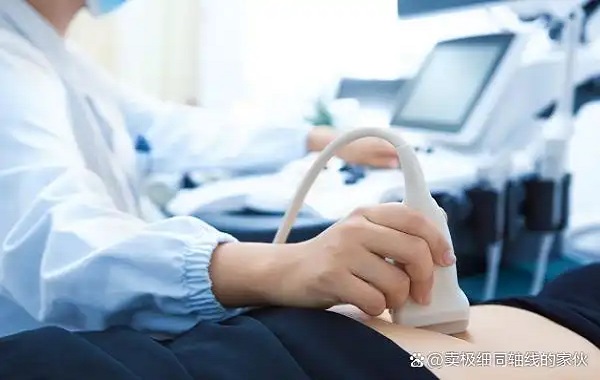
The characteristics of extremely fine coaxial beam
A super-thin coaxial cable bundle is a high-frequency transmission cable with an extremely small outer diameter, consisting of a central conductor, insulating layer, shielding layer, and sheath. Its design allows for high-bandwidth and low-loss signal transmission in a limited space, making it very suitable for use inside ultrasonic probes. Compared to traditional cables, super-thin coaxial cable bundles have high-frequency transmission capabilities, excellent shielding performance, softness and bendability, as well as lightweight design. Not only do they ensure image stability, but they also enhance the comfort of doctors' operations.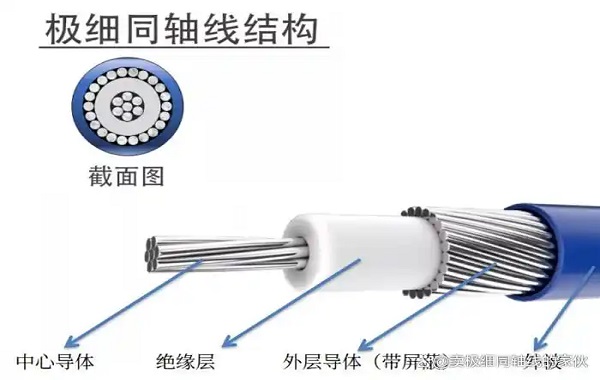
Part Two: Special Requirements of Ultrasound Imaging for Beam Lines
In ultrasonic systems, the beam needs to meet both electrical and mechanical performance requirements simultaneously. It must have low-loss and low-noise transmission characteristics to ensure that the echo signal is real and reliable, avoiding image blurring or artifacts. At the same time, due to the limited space inside the probe, the beam must be extremely thin yet stable, capable of withstanding frequent bending and long-term use. It should adapt to sterilization, high temperature and humidity environments, and maintain stability during the simultaneous transmission of multi-channel signals, preventing interference and delay.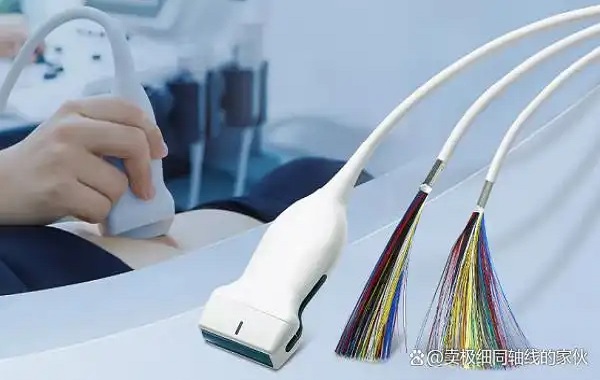
The practical value in the application of ultrasound
The flexibility and lightweight design of extremely thin coaxial beam play a crucial role in clinical operations. Whether it is interventional ultrasound or intracardiac ultrasound, highly miniaturized and flexible beams enable the probe to work efficiently in limited spaces, while ensuring the real-time transmission of high-resolution images, enhancing the doctor's operating experience and diagnostic accuracy. With technological development, extremely thin coaxial beams are evolving towards further miniaturization, higher bandwidth, greater durability, and material innovation to meet the continuous clinical demand for high performance and high reliability.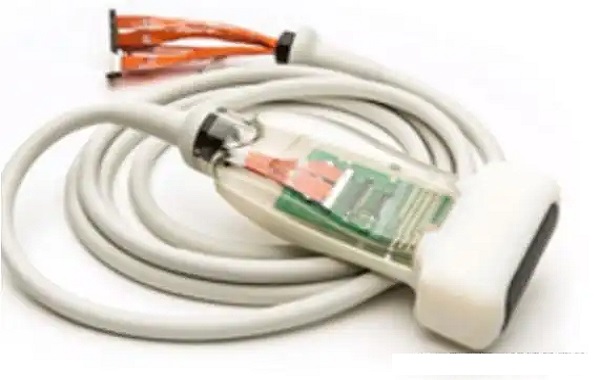
“Without the consent or authorization of this site, no one shall reproduce, reprint, distribute, cite, change, broadcast or publish the content in whole or in part in any form, nor shall there be any other violation of the copyright of this site.