


Categorization:Harness Component
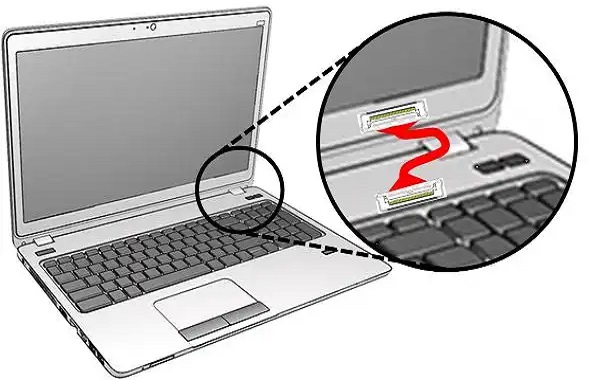
The technical characteristics of eDP high-speed transmission
eDP uses differential signal transmission with a rate up to 1.62Gbps to 8.1Gbps (HBR3) or even higher, requiring strict control of impedance, signal integrity, and shielding performance. Even minor impedance mismatch, crosstalk, or EMI interference can cause image flickering, screen artifacts, or signal distortion. In thin and lightweight, high-resolution display devices, stable transmission of high-speed signals becomes a design challenge.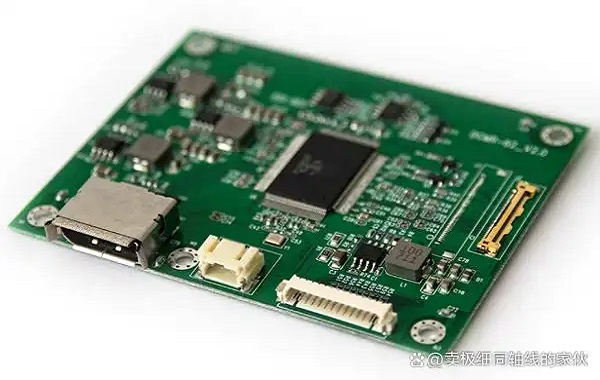
The advantages of ultra-fine coaxial beam
Extremely thin coaxial cables have a precise structure passing through the center conductor, insulating layer, shielding layer, and outer sheath, achieving strict impedance control (about 90Ω ±10%), and having independent shielding, which can effectively suppress crosstalk and EMI interference, ensuring high-speed signal integrity. Their outer diameter can be as low as 0.4mm to 0.8mm, with high flexibility and small bending radius, suitable for thin and light equipment and narrow space wiring. The high-performance design can also support multi-channel high-speed transmission, meeting the needs of 4K, 8K high frame rate display.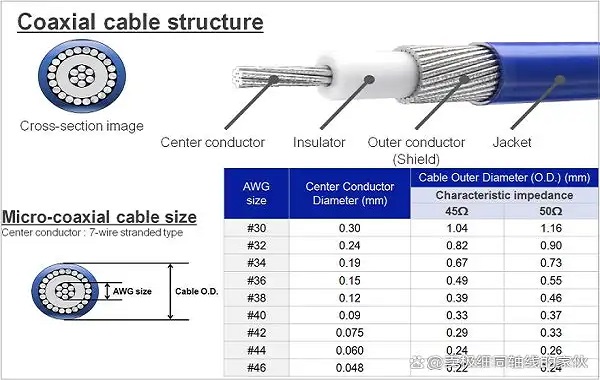
Typical Applications and Design Value
Extremely thin coaxial cable束 is widely used in notebook display modules, industrial all-in-one touch control machines, vehicle central control systems, and medical imaging equipment, among other applications. It can still ensure stable signal transmission in environments with high vibration, high temperature, or strong interference. Designed with high-purity silver-plated copper conductors, low dielectric constant insulating materials, and a 360° shielding braid, it fully meets the requirements of eDP 1.4b/2.0 and future higher bandwidth standards, providing reliable signal assurance for high-speed display systems.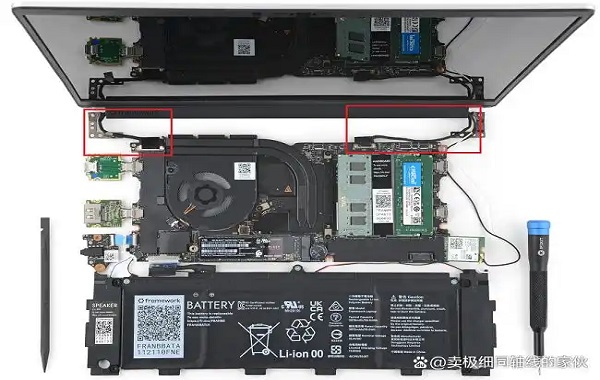
“Without the consent or authorization of this site, no one shall reproduce, reprint, distribute, cite, change, broadcast or publish the content in whole or in part in any form, nor shall there be any other violation of the copyright of this site.