


Categorization:Harness Component
The core advantages of ultra-fine coaxial lines
Extremely fine coaxial cables are a type of miniature coaxial structure cables, consisting of a signal conductor, insulating layer, shielding layer, and outer sheath. Their diameter is usually only a few millimeters or even finer. Compared with ordinary coaxial cables, they are lighter and more flexible, while also offering excellent electromagnetic shielding performance and signal integrity. They are widely used in MIPI CSI-2 camera interface and AI module internal high-speed transmission, capable of maintaining signal stability in multi-channel 4K, 3D vision, and multi-channel synchronous collection scenarios, reducing reflections, crosstalk, and EMI interference, and ensuring clear and reliable image data.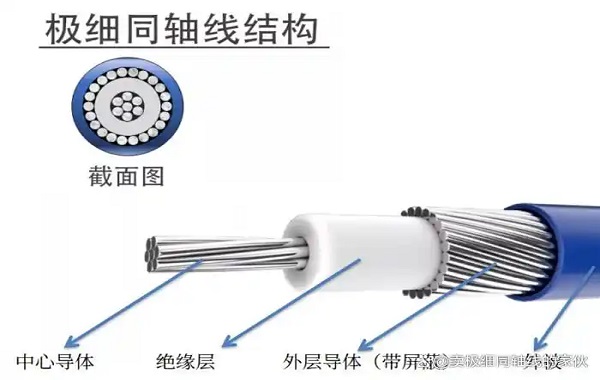
The design advantages of adapting to the Jetson platform
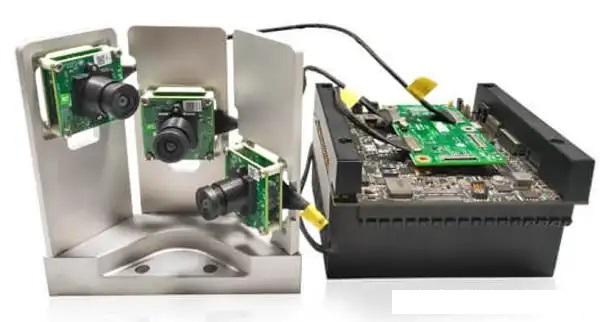
Jetson module has a compact internal space and frequently combines multiple cameras. The extremely thin coaxial cable is light, flexible, and highly bendable, making it very suitable for wiring in confined spaces. It can be modularly assembled through standardized interfaces, supporting multiple camera layouts and rapid development verification. Compared to FPC/FFC ribbon cables, the extremely thin coaxial cable is superior in high-speed signal transmission, anti-interference, flexible wiring, and durability. It also meets the bandwidth requirements of AI vision systems while balancing the size, weight, and reliability of the devices, making it the ideal choice for high-end modules.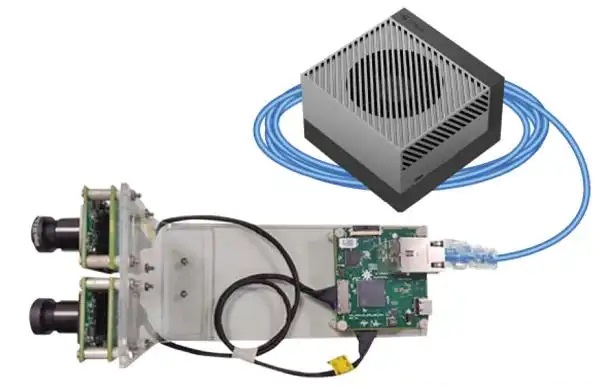
Three, selection and application precautions
In practical applications, ensuring impedance matching, consistent cable length, reasonable shielding and grounding, sufficient flexibility and bend resistance of cables, and high reliability of connectors are crucial for leveraging the performance of ultra-thin coaxial cables. By comprehensively optimizing these factors, the Jetson camera module can fully utilize the advantages of ultra-thin coaxial cables in high-speed signal transmission, ensuring synchronized acquisition of multi-channel image data and long-term stable operation.
“Without the consent or authorization of this site, no one shall reproduce, reprint, distribute, cite, change, broadcast or publish the content in whole or in part in any form, nor shall there be any other violation of the copyright of this site.