


Categorization:Harness Component
One、The Structure and Characteristics of Superfine Coaxial Beam
The ultra-fine coaxial cable束 consists of a central conductor, insulating medium, shielding layer, and outer sheath, with a diameter that can be as small as less than 0.3mm. Its coaxial structure ensures excellent electromagnetic shielding performance, reduces crosstalk and signal reflection, while maintaining precise impedance control. The thin and flexible design makes it possible to densely route in confined spaces, suitable for high-speed miniaturized scenarios such as laptops, camera modules, vehicle displays, and medical equipment.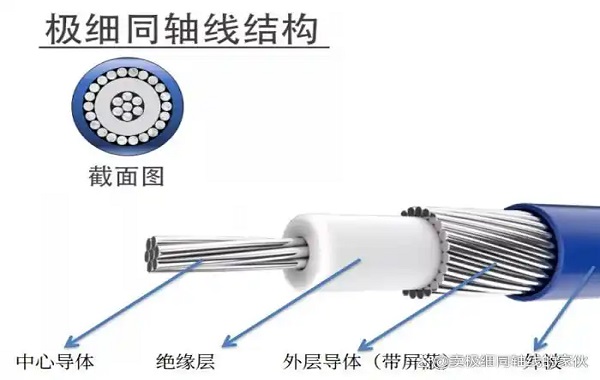
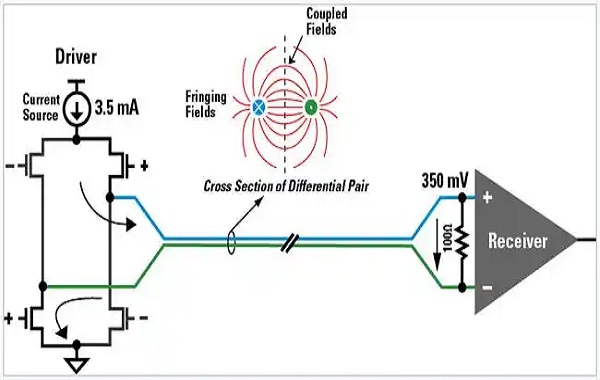
Section 2: Advantages and Challenges of LVDS Signal Transmission
LVDS employs low-voltage differential signaling, featuring low power consumption, high speed, and anti-interference capability. However, reflections, crosstalk, and EMI interference in high-speed environments still easily affect signal quality, especially inside compact devices. Traditional ribbon cables find it difficult to balance miniaturization and high-speed transmission. The ultra-fine coaxial cable bundle, with its precise impedance, independent shielding, and low loss characteristics, effectively solves the stability problem of LVDS signals in high-speed transmission.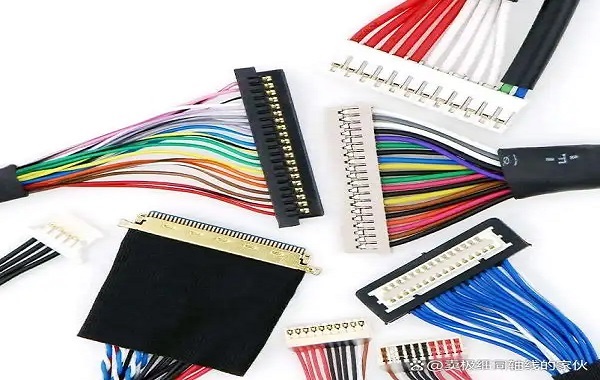
Section 3: Application Advantages and Design Key Points
Extremely fine coaxial cable bundles have significant advantages in LVDS applications: high shielding ensures signal integrity, low impedance loss supports high-speed transmission, and mechanical flexibility and high bend life accommodate thin and vibration environments. In design, attention should be paid to impedance matching, length consistency, shielding grounding, routing optimization, and connector matching to ensure stable and efficient transmission of multi-channel LVDS signals. Typical applications include notebook and tablet display modules, in-vehicle display and image systems, as well as high-speed data collection and image transmission for industrial and medical equipment.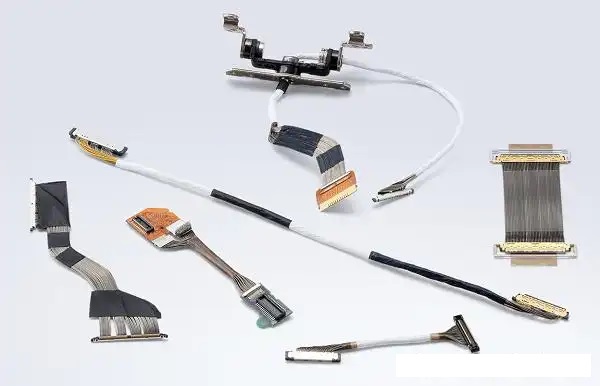
“Without the consent or authorization of this site, no one shall reproduce, reprint, distribute, cite, change, broadcast or publish the content in whole or in part in any form, nor shall there be any other violation of the copyright of this site.