


Categorization:Harness Component
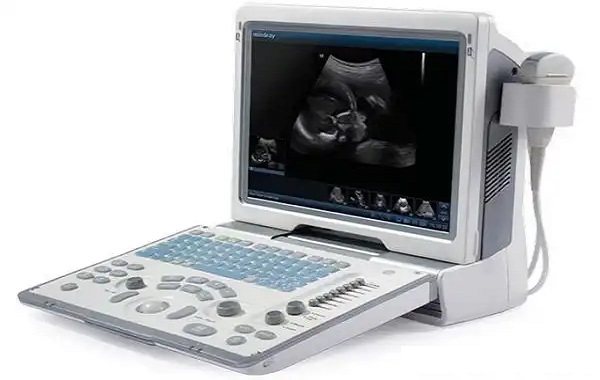
The importance and challenges of ultra-fine coaxial beam
In portable ultrasonic equipment, the extremely thin coaxial beam carries the task of high-speed signal transmission. It must ensure signal integrity, reduce losses and distortion, and have good shielding performance to resist electromagnetic interference and crosstalk. Since portable devices need to be frequently moved, the beam must also be soft and bendable to prevent breakage or damage to the shielding layer. However, the thinner and lighter the wire, the smaller the conductor cross-sectional area, the greater the resistance, and the increased risk of signal attenuation and noise. This requires finding a suitable balance point between lightweighting and high performance.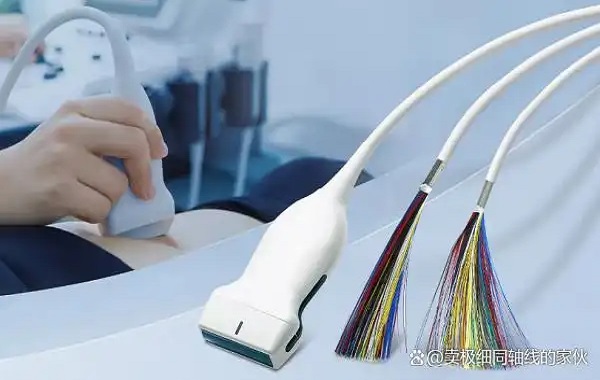
Key Considerations for Selection
When selecting ultra-fine coaxial cable assemblies, it is necessary to consider factors such as wire diameter, weight, insulation and dielectric characteristics, shielding structure, impedance matching, flexibility, and durability. A fine wire diameter is beneficial for portability, but excessively thin wires can affect signal strength; low dielectric constant and low-loss insulation materials can ensure wider bandwidth and lower distortion; multi-layer shielding can reduce external interference and improve imaging stability; impedance matching must be consistent with the probe and host to avoid signal reflection and echo loss; flexible and durable materials ensure that the cable assembly can withstand frequent bending and long-term use.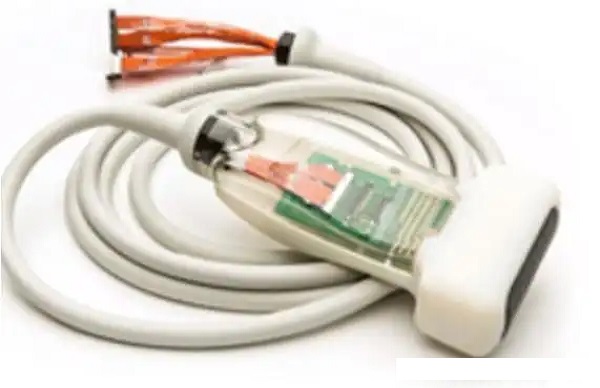
Three, practical strategies for layout optimization
Proper layout is equally crucial; it can reduce losses and reflections by shortening line lengths, optimizing the path of the lines, avoiding sharp angles and loops. When combining multiple wire bundles, they should be grouped and an overall shielding layer should be added on the outer layer to reduce the risk of crosstalk. The shielding layer must be reliably grounded at the probe or host end to prevent the formation of floating ground. In areas of bending and stress concentration, buffer protection structures can be added to extend the service life, and the signal lines should be separated from the power lines or high-frequency switching lines to avoid electromagnetic interference. Scientific layout can significantly enhance the durability and operational experience of the equipment.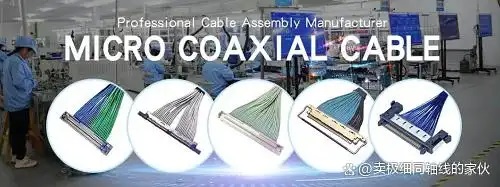
“Without the consent or authorization of this site, no one shall reproduce, reprint, distribute, cite, change, broadcast or publish the content in whole or in part in any form, nor shall there be any other violation of the copyright of this site.