


Categorization:Harness Component
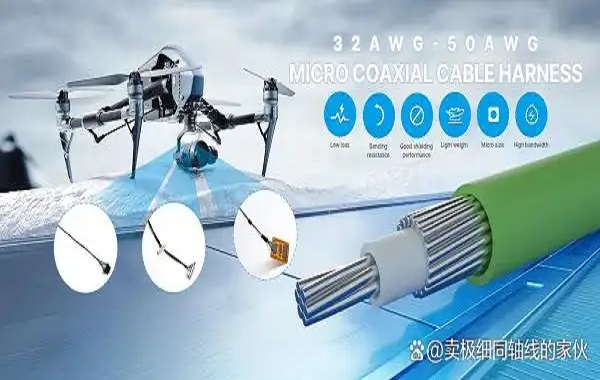
The importance of lightweight design
The flight time of drones is limited by battery capacity, and although the weight of the cables is not significant, it can produce an additive effect on the overall energy consumption of the entire machine. Using extremely thin coaxial cables can reduce weight while ensuring signal integrity, improving the energy efficiency ratio and maneuverability of drones. Lightweight cables help to extend the endurance time, while also enhancing flight flexibility, making drones more advantageous in terms of performance during mission execution.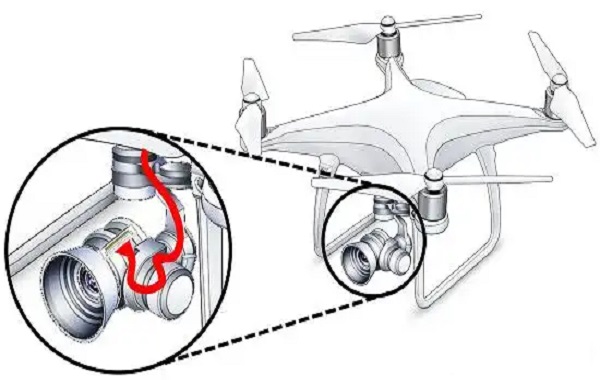
The key points of weather resistance optimization
Drones have extremely high requirements for the weather resistance of cables when performing tasks in high and low temperatures, humidity, strong ultraviolet radiation, and dusty environments. Traditional cables often suffer from insulation aging, signal attenuation, or reduced mechanical properties over a long period of use. By optimizing materials and sheath processes, ultra-fine coaxial cables can adopt high and low temperature resistant insulation materials and wear-resistant shielding layers, improving their resistance to ultraviolet radiation, oxidation, and moisture, ensuring that the signal remains stable and reliable in complex environments.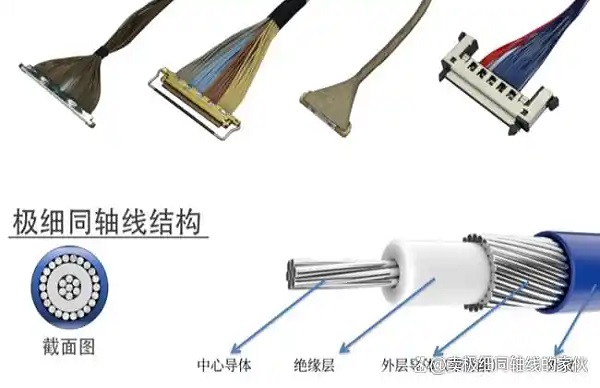
Three, balance lightweighting and reliability
Lightweighting and weather resistance often exist in contradiction: over-thinning the insulation layer may affect long-term durability, while over-strengthening the protective layer increases weight. In the design of ultra-fine coaxial cables for drones, it is necessary to combine the application environment, mission duration, and maintenance cycle to find the best balance between weight and weather resistance. This achieves dual optimization of lightweighting and reliability, ensuring the stability of drones in high-intensity applications.
“Without the consent or authorization of this site, no one shall reproduce, reprint, distribute, cite, change, broadcast or publish the content in whole or in part in any form, nor shall there be any other violation of the copyright of this site.