


Categorization:Harness Component
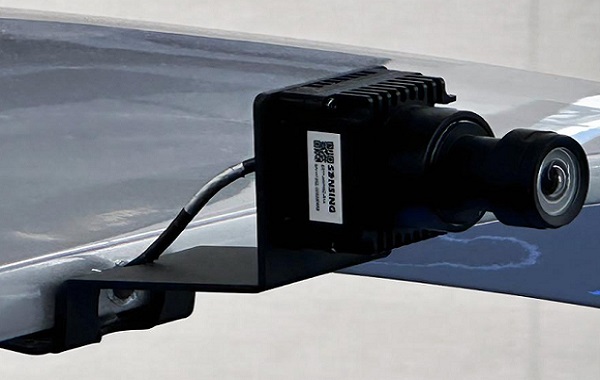
The importance of extremely fine coaxial cables in vehicle-mounted cameras
High-speed image signals such as GMSL, FPD-Link, and LVDS require extremely high bandwidth, impedance consistency, and anti-interference capabilities. The extremely thin coaxial cables, with their good shielding structure, high bandwidth characteristics, and excellent flexibility, can effectively enhance the stability of the module in complex vehicle-mounted environments. Their compact size is also suitable for tight module spaces and maintains good reliability under conditions of vibration and large temperature differences, significantly superior to traditional FPC or ribbon cable solutions.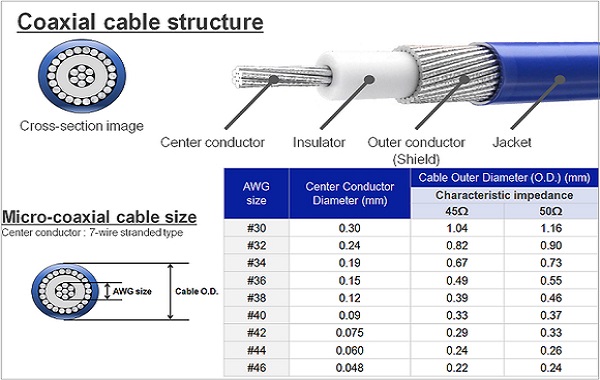
Two, key indicators for selecting ultra-fine coaxial cables
The core of selecting wire materials for vehicle-mounted modules lies in ensuring signal integrity and long-term reliability. Characteristic impedance needs to be consistent with system design to reduce reflection and signal distortion; materials and structures should have good low-loss characteristics to cope with high-frequency and high-speed transmission; multi-layer shielding structures can enhance anti-interference performance; bending resistance and temperature resistance are essential factors in automotive applications that cannot be ignored, and they need to match the working environment from -40°C to 125°C.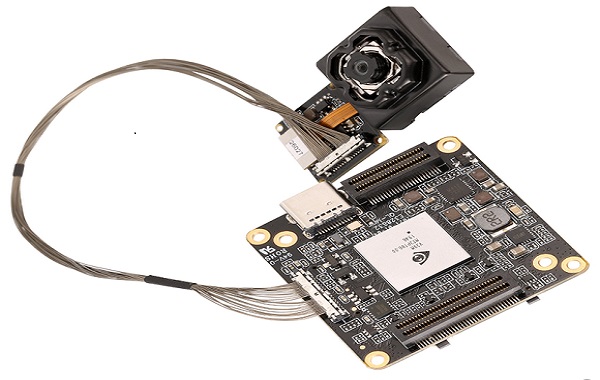
Three, design suggestions in practical applications
To ensure the stable operation of the vehicle-mounted image system, optimization is required from both the wiring method and process control aspects. The signal lines should be shortened as much as possible to reduce attenuation; the termination process needs to be strictly matched with the module interface; if a PoC solution is involved, the wire material needs to take into account both power and signal transmission performance; before mass production, passing tests such as eye diagrams, error rate, temperature cycling, and vibration can ensure the stability of the wire material in actual operating environments.
“Without the consent or authorization of this site, no one shall reproduce, reprint, distribute, cite, change, broadcast or publish the content in whole or in part in any form, nor shall there be any other violation of the copyright of this site.