


Categorization:Harness Component
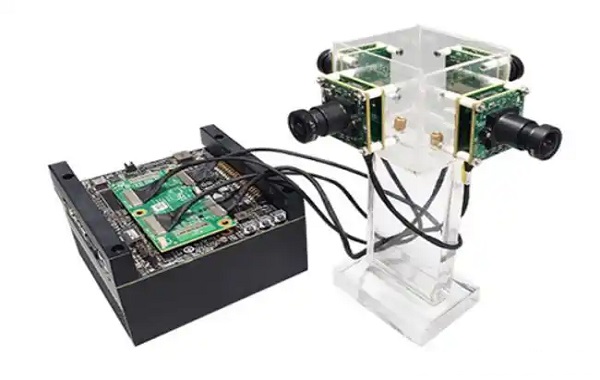
The structural principle of ultra-fine coaxial beam
The extremely thin coaxial cable bundle consists of a central conductor, insulating layer, outer shielding layer, and flexible sheath. The central conductor is mostly made of copper or copper alloy, used to achieve reliable signal transmission; the insulating layer usually selects low-loss materials such as PFA or PTFE to ensure the stability of the coaxial geometric structure; the shielding layer can effectively reduce electromagnetic interference in industrial environments; the outer sheath provides the necessary mechanical protection and flexibility. By optimizing the conductor structure and materials, the outer diameter of micro coax can be made less than 1 mm, which is very suitable for wiring requirements in robot joints, rotating shafts, and narrow spaces.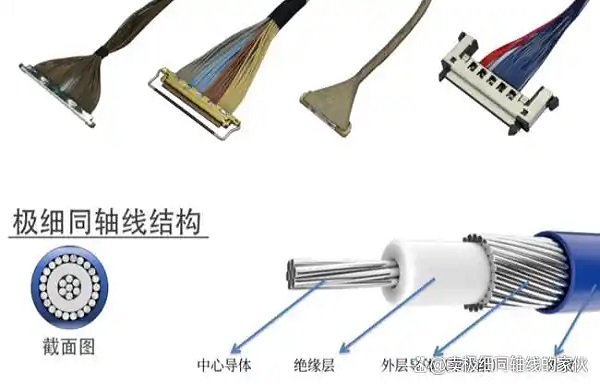
The performance advantages of extremely fine coaxial beam
Extremely fine coaxial cables exhibit high signal integrity in high-speed signal transmission; precise control of conductor spacing and insulating material can reduce signal attenuation and distortion. Their shielding structure can withstand electromagnetic interference in industrial environments, ensuring that important signals remain stable under complex operating conditions. In addition, micro coax cables have extremely high flexibility and bend resistance, allowing them to adapt to the frequent movement of robot joints without affecting service life. Their small outer diameter also makes high-density wiring possible, supporting multi-channel data links in limited spaces.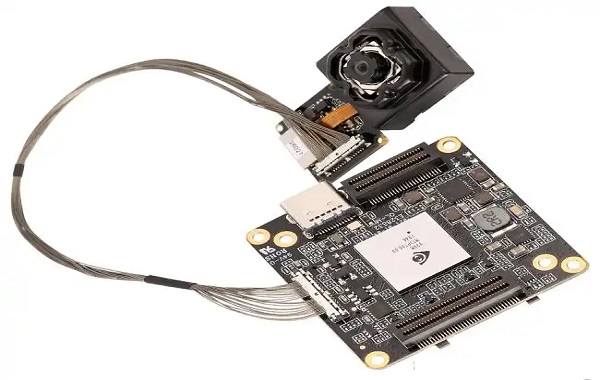
Three, Application Scenarios of Ultra-fine Coaxial Fiber Bundles in Industrial Robots
In industrial robot systems, micro coax is commonly used for signal transmission within the joints, including for cameras, tactile sensors, temperature sensors, and proximity sensors, among others, for high-speed data links. It can also serve as a control bus or high-speed inter-board communication cable to enhance the speed of control feedback and the efficiency of system response. For areas with limited space or multiple movements, such as end-effectors or rotating joints, extremely thin coaxial cables can achieve compact, reliable, and durable signal connections. Additionally, high-speed signal wiring within robot vision systems, laser modules, and various detection devices widely adopt the micro coax solution to meet the needs of system integration and maintenance.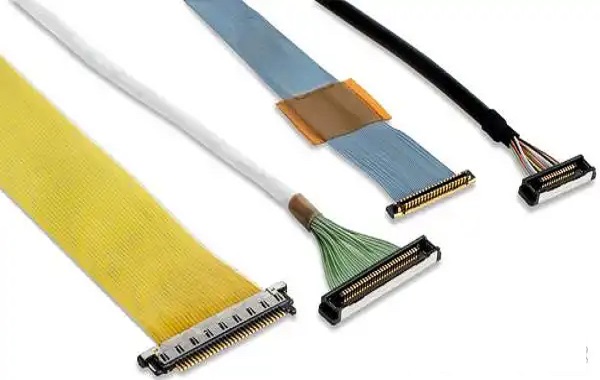
“Without the consent or authorization of this site, no one shall reproduce, reprint, distribute, cite, change, broadcast or publish the content in whole or in part in any form, nor shall there be any other violation of the copyright of this site.