


Categorization:Harness Component
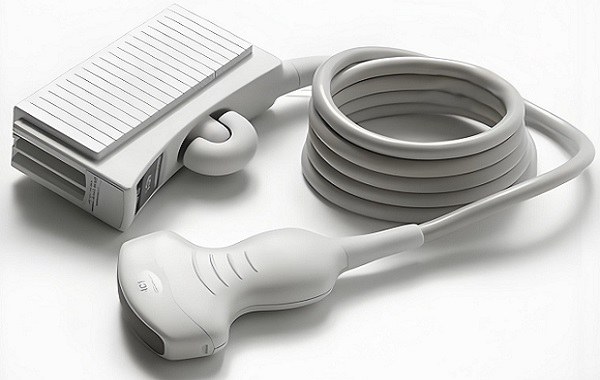
One, the core advantages of ultra-fine coaxial beam
The extremely thin coaxial cable bundle has excellent high-frequency transmission performance, which can effectively reduce crosstalk and signal attenuation, thus ensuring the high-resolution ultrasound imaging effect. At the same time, its small diameter and good flexibility make it very suitable for the internal structure of probes with limited space and high bending requirements. With stable shielding capability, it can resist external electromagnetic interference and ensure the purity of the signal; the lightweight structure also further improves the comfort of probe operation.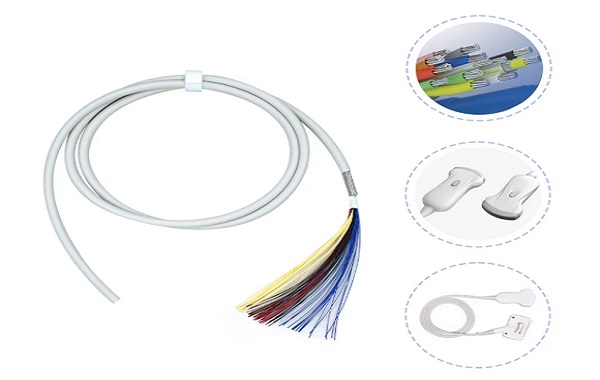
Two, key factors to consider when selecting harnesses
When selecting the beam line for an ultrasonic probe, it is necessary to comprehensively consider impedance matching, signal bandwidth, mechanical flexibility, and overall durability. The impedance is usually 50Ω or 75Ω and must be consistent with the probe and the host circuit to ensure signal integrity. Different types of probes have different speed requirements, and the appropriate bandwidth must be selected according to the actual application. The wire diameter and flexibility need to be balanced to ensure that neither the probe's flexibility is affected nor the structural reliability is reduced. At the same time, high-quality shielding and wear-resistant, bend-resistant outer sheath materials are also important guarantees for long-term stable use.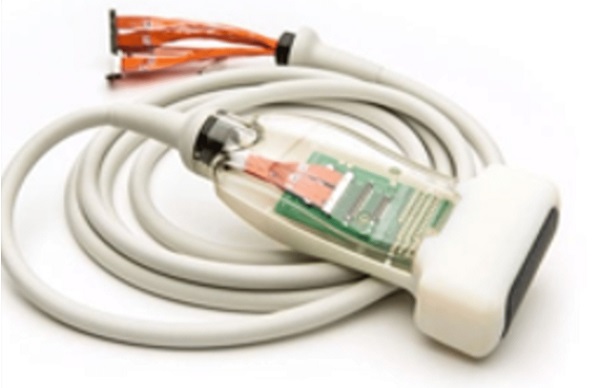
Chapter 3 Application Trends and Future Directions
Extremely fine coaxial beam arrays are currently not only commonly used in two-dimensional ultrasonic probes but also widely applied in three-dimensional and four-dimensional imaging systems. With the continuous development of ultrasonic technology towards high-definition and real-time, the demand for the bandwidth, shielding performance, and flexibility of the beam arrays will further increase. In the future, more customized, high-density, and high-flexibility ultra-fine line array solutions will be applied in different types of probes to meet the requirements of higher resolution and faster processing speed.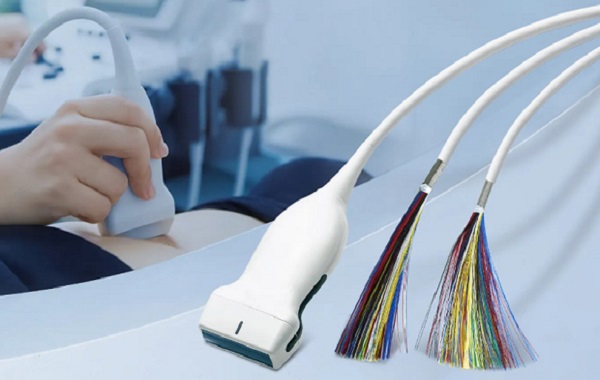
“Without the consent or authorization of this site, no one shall reproduce, reprint, distribute, cite, change, broadcast or publish the content in whole or in part in any form, nor shall there be any other violation of the copyright of this site.