


Categorization:Harness Component
In the development stage of high-speed interfaces, camera modules, vehicle imaging, and consumer electronic products, engineering teams often need to go through prototyping verification to ensure signal interconnect performance. For applications involving high-speed signal transmission, the selection of extremely fine coaxial cable bundles is crucial. How to quickly select the appropriate standard models within a limited time is a common concern among R&D engineers.
This article will combine engineering practice to provide practical references from the perspective of standard model advantages, core selection parameters, and typical application scenarios.

Why choose the standard model first
During the engineering prototyping stage, time is pressing, and the R&D team not only needs to ensure the performance of high-speed signals but also needs to consider delivery time and cost. The advantages of the standard model's extremely fine coaxial cable bundle include: mature technology ensures stable quality; parameters are clear, impedance, wire diameter, and other data can be checked; supply is controllable, which can shorten the prototyping cycle; and it is convenient for subsequent mass production, reducing secondary development costs. Choosing the standard model can help the team quickly verify the design scheme and reduce development risks.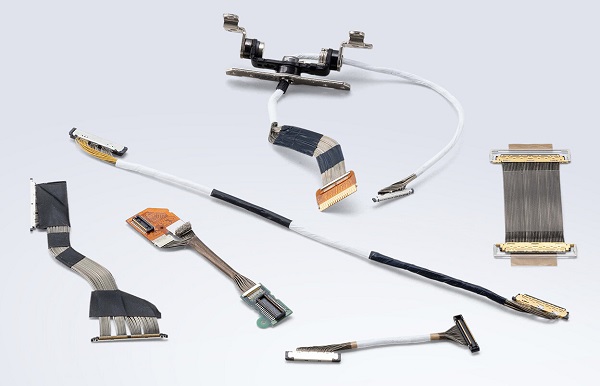
Parameter selection for selection type
Quick selection needs to focus on several key indicators: impedance characteristics, such as 50Ω single-ended or 100Ω differential, should match the chip interface specifications (MIPI, USB, HDMI); wire diameter and flexibility, commonly used 0.3~0.5mm, the smaller the size, the better the flexibility, but need to weigh the process difficulty and signal attenuation; bandwidth and attenuation, select according to the target rate (USB3.2, MIPI D-PHY/CSI-2), ensuring that the transmission loss is within an acceptable range; termination form, during the sampling stage, it is recommended to use common FPC terminals or standard connector interfaces; availability, prioritize mass-produced models to reduce waiting periods.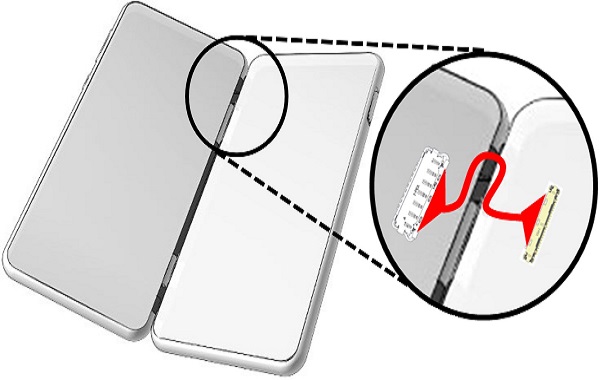
Three, typical application scenarios for reference
Standard models have clear references for different applications: 0.35mm OD ultra-fine coaxial cables are commonly used in mobile phones and consumer electronics for camera module and motherboard connections; vehicle image and sensor systems often adopt 100Ω differential cable sets to meet the high-speed video transmission requirements of LVDS or FPD-Link; industrial and medical equipment place more emphasis on shielding performance and bend resistance, usually choosing standard high shielding grade models. Through these application references, the research and development team can quickly identify the appropriate standard models for prototype verification.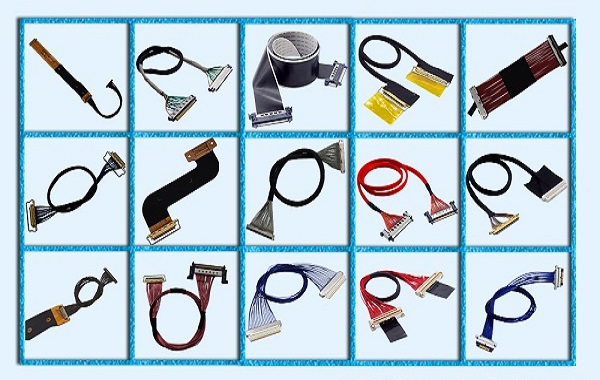
In the engineering sampling stage, making rational use of the standard models of extremely fine coaxial cable bundles can not only ensure high-speed signal integrity but also significantly improve the project's progress efficiency. By mastering core parameters such as impedance, cable diameter, bandwidth, and termination methods, and combining with typical application scenarios for reference, the research and development team can quickly move from the verification stage to mass production, while also reducing risks and development cycles.
I amSuzhou Huichengyuan Electronic TechnologyLong-term focus on the design and customization of high-speed signal cable harnesses and ultra-fine coaxial cable harnesses, committed to providing stable and reliable high-speed interconnect solutions. For consultation or selection support, please contact Manager Yin.18913280527 (WeChat number)。“Without the consent or authorization of this site, no one shall reproduce, reprint, distribute, cite, change, broadcast or publish the content in whole or in part in any form, nor shall there be any other violation of the copyright of this site.