In mobile camera modules, vehicle-mounted cameras, wearable devices, and other precision electronic products, the micro coaxial cable (micro coaxial cable) is a "hidden hero" hidden inside. It has a slender diameter, yet it can bend and twist thousands and thousands of times in a narrow space while maintaining stable electrical performance. This article will explain why the micro coaxial cable is so bend-resistant and how to optimize its use in engineering to ensure cable life and reliability.
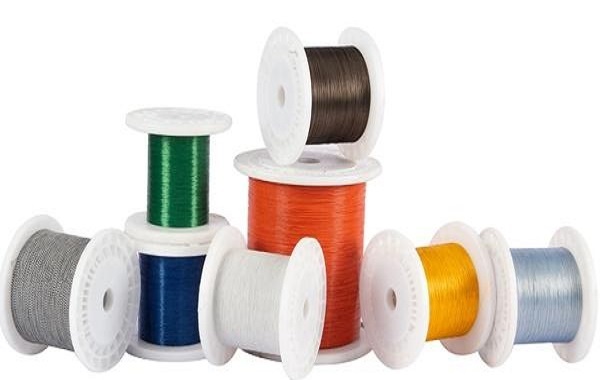
Why does bending cause cable damage?
Bending is essentially the process in which cables withstand repeated mechanical stresses.
Conductor fatigue
Copper and other metals will gradually become brittle under long-term stress, develop microcracks, and may eventually fracture.
Structure damage
In coaxial structures, even if the central conductor is not broken, conductor offset, dielectric deformation, or shield damage can lead to impedance change and reduced electrical performance.
Therefore, in order to extend the service life of cables, it is necessary to optimize materials, structures, and processes comprehensively.
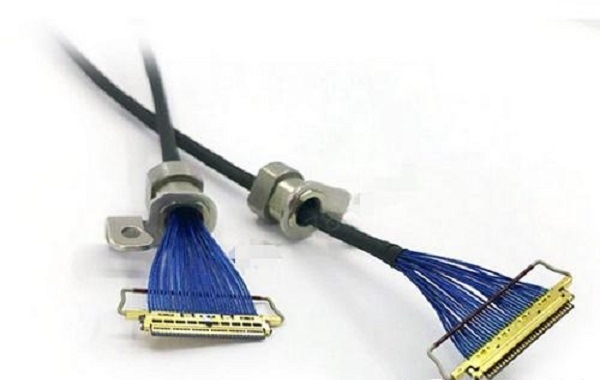
The secret to the flexibility of ultra-fine coaxial lines
Control geometric dimensions and bending radius
Manufacturers usually provide requirements for static and dynamic minimum bending radii, with common experience values being 6-10 times the wire diameter. The smaller the radius, the greater the internal stress and the shorter the service life. It should be avoided to form a bend point at a fixed position for a long time during design.
High flexibility conductor structure
The center conductor is generally made of fine twisted wire instead of solid wire, so even if a single strand breaks, the whole conductor can still function. Surface treatments such as silver plating and nickel plating can increase corrosion resistance and reduce friction fatigue.
Optimize medium materials
Medium layers commonly use materials such as PTFE and PFA, which are low dielectric, high-temperature resistant, and flexible. They ensure signal transmission performance and also buffer stress during bending, reducing metal fatigue.
Flexible shielding and sheath design
The shielding layer must protect EMI without being too rigid. The high flexibility design uses finer woven threads or special winding methods. The outer sheath is preferably made of soft materials such as TPU, silicone, etc., to enhance the protective properties.
5. Terminal stress relief
The connector end is the most prone to damage, and stress can be dispersed by using relief sleeves, heat shrinkable tubing, or specialized crimping/welding techniques to avoid concentrating at the soldering point.
Strict manufacturing and inspection
From drawing, extrusion to braiding, every micrometer of precision affects the lifespan. High-quality micro coax relies on stable technology and strict inspection, including dynamic bend fatigue tests.
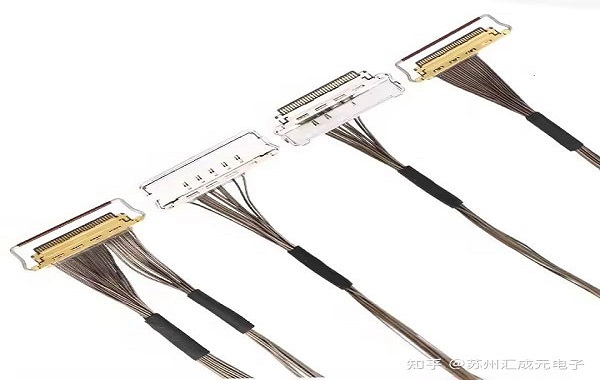
Section 3: The bending life of extremely fine coaxial lines
The bending life varies greatly due to differences in design and testing conditions:
• High flexibility model: Can withstand several million or even tens of millions of bends under experimental conditions
• Standard model: Dynamic bending tests are usually between tens of thousands to a million times
Testing methods, bending radius, speed, and load will all directly affect the actual service life.
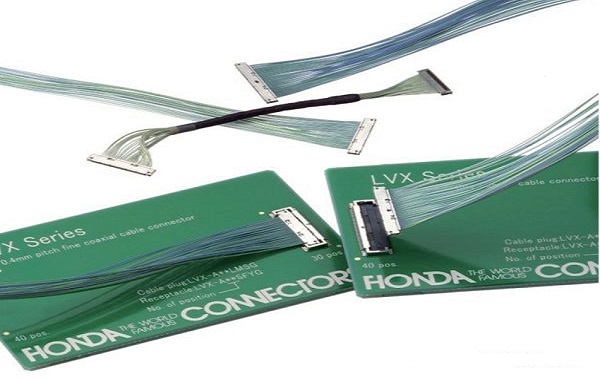
Four, engineering application suggestions
1. Clarify working conditions: static wiring and continuous bending requirements are different
Check the test conditions: not only look at the "ten thousand times" publicity, but also consider the radius, angle, and load
3. Practical Verification: Test under actual product installation methods to ensure reliability
Optimize terminal design: Avoid forming constant stress points at the junctions
5. Communicate with suppliers for customization: select more bend-resistant materials and structures based on the working conditions
The bending resistance of ultra-fine coaxial lines depends on the comprehensive effect of material selection, structural design, process control, and terminal release. When making engineering selection, a comprehensive evaluation and verification should be carried out based on actual working conditions, test conditions, and the technical capabilities of manufacturers, rather than merely referring to lifespan figures.
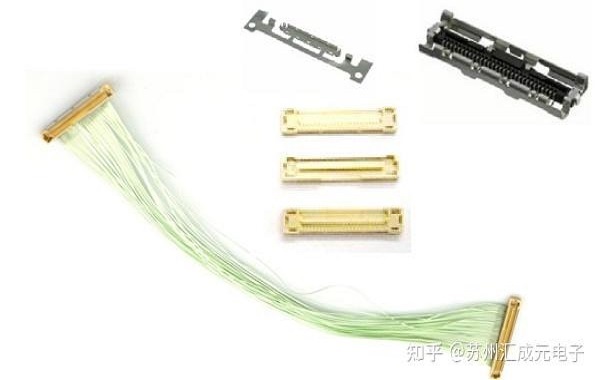
The micro coaxial cable can withstand high-intensity repeated bending and ensure signal stability, thanks to the multiple design optimizations such as conductor structure, dielectric, shielding layer, flexible sheath, and terminal stress relief. Through reasonable engineering design and strict testing, the extremely fine coaxial cable plays an irreplaceable and critical role in high-density electronic products.
I amSuzhou Huichengyuan Electronic Technology Co., Ltd.Long-term focus on the design and customization of high-speed signal cables and ultra-thin coaxial cables, committed to providing stable and reliable high-speed interconnection solutions. For more information, please contact:Manager Yin 18913280527 (WeChat number same)。