In the field of high-speed transmission and precision connections, micro coaxial cable is favored by engineers due to its small size, high flexibility, and low signal attenuation. It is widely used in medical imaging equipment, industrial automation, high-resolution display systems, and various consumer electronic products. The number of cores is an important consideration when selecting, as it directly affects the performance, layout, and flexibility of the cable. This article will analyze the core range, structural design, and selection points of micro coaxial cables to help engineers make reasonable decisions.
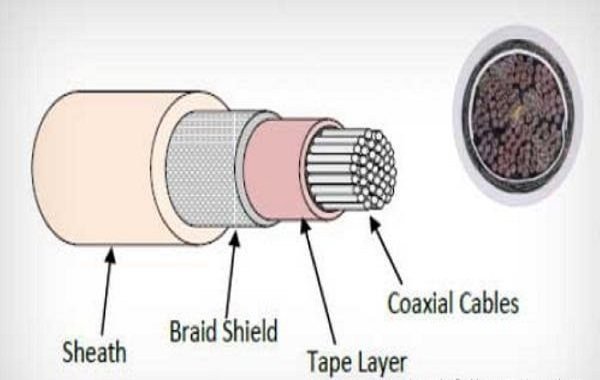
One, the common range of core specifications.
The design of the core number for extremely fine coaxial cables is very flexible, ranging from single cores to hundreds of cores with corresponding solutions.
Low-core count (1-10 cores): Suitable for single-channel high-speed signal transmission, such as camera module and sensor interfaces.
2. Zhongxin Shu (10-40 cores): Often used in industrial cameras, high-speed data interfaces, and requires the simultaneous transmission of multiple signals.
High core count (40-100 cores and above): Mainly used in scenarios requiring parallel transmission of a large number of signals, such as medical probes and high-resolution displays.
The selection of core numbers is closely related to application scenarios, as different core numbers meet different signal transmission requirements.
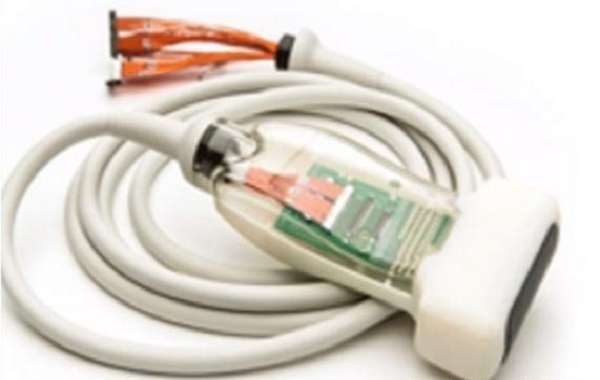
The relationship between core number and structural design
The more cores there are, the higher the requirements for the structural design and flexibility of the cable:
High-density wiring: The outer diameter of extremely thin coaxial cables may be only 0.3mm or even smaller to meet the complex wiring requirements inside the equipment.
2. Shielding Design: High-core-count cables require optimized shielding layer structures to avoid signal crosstalk and attenuation.
Flexibility requirements: In applications that require tens of thousands of bending cycles (such as medical probe handles or industrial robot joints), the cable must maintain high flexibility to ensure long-term reliability.
The integration of chip numbers and structural design complements each other, directly determining the stability of cables in high-speed and complex environments.
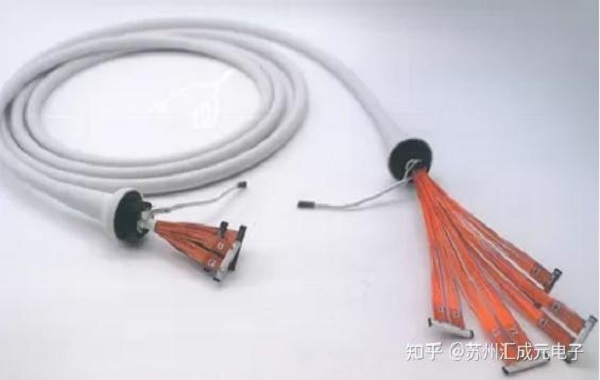
Three, factors to consider in chip selection
When determining the core number, the following points can be referred to:
Signal type and quantity: Different signal types (digital, analog, power supply) have different requirements for shielding and layout.
Interface standards: Interfaces such as MIPI, LVDS, and HDMI have specific regulations for the number of cores.
Equipment space limitation: Compact structure puts higher requirements on high-density, small outer diameter design.
The reasonable selection of core numbers requires a balance between bandwidth, shielding effect, flexibility, and installation space to ensure the quality of signal transmission and system reliability.

The design of the micro coaxial cable can range from single-core to hundreds of cores, with the core depending on application requirements and design specifications. Engineers should comprehensively consider the number of signals, interface standards, spatial constraints, and flexibility requirements when selecting, to ensure that the cable maintains stable performance under high-speed transmission conditions, while also enhancing the overall reliability and lifespan of the system.
I am
Suzhou Huichengyuan Electronic TechnologyLong-term focus on the design and customization of high-speed cable harnesses and extremely thin coaxial cables, committed to providing stable and reliable high-speed interconnect solutions. For more information, please contact:
Manager Yin 18913280527 (WeChat same number)。