

Categorization:Harness Component
In the fields of consumer electronics, communication equipment, medical imaging systems, and industrial automation, both extremely thin coaxial cables (micro coaxial cable) and FPC cables (flexible printed circuit cables) are common signal interconnection solutions. They may look similar in appearance, but there are significant differences in their electrical performance, mechanical properties, and application directions. The following is a systematic analysis from four aspects.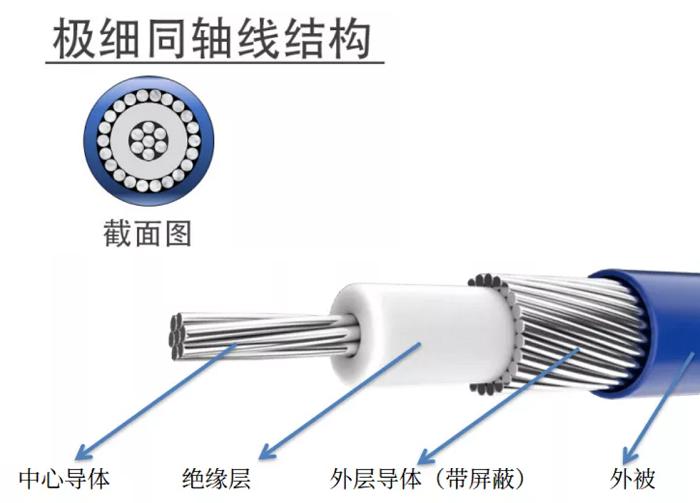
Signal integrity and anti-interference capability
The extremely thin coaxial cable bundle utilizes a typical coaxial shielding structure, with an outer conductive shielding layer that can significantly reduce the impact of electromagnetic interference (EMI).
In high-speed, high-frequency signal transmission scenarios, its signal integrity and stability are particularly outstanding.
Compared to FPC cables, although they are thin, light, and flexible, most products lack an independent shielding layer, which limits their anti-interference performance. They are more suitable for applications with lower signal rates and lighter interference environments.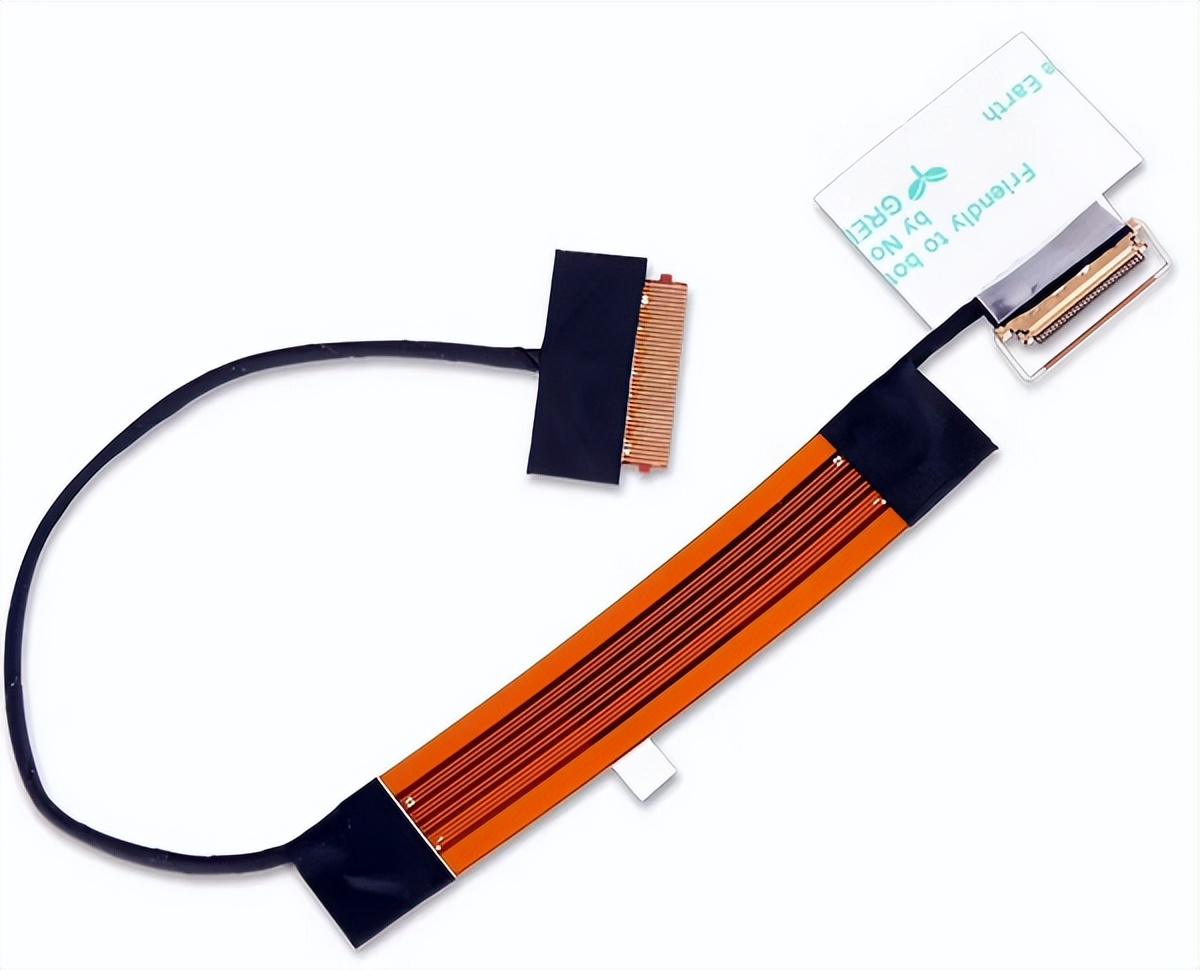
Flexibility and wiring freedom
The FPC cable, due to its planar design, can flexibly bend, fold, and lay in extremely narrow spaces, and is widely used in internal connections of displays, camera modules, and small-sized equipment.
And although the extremely fine coaxial beam has a complex structure, it also has good flexibility and bending resistance.
In parts that require frequent movement or bending, such as notebook hinges, folding smartphones, and drone gimbals, it can achieve reliable wiring while maintaining signal stability.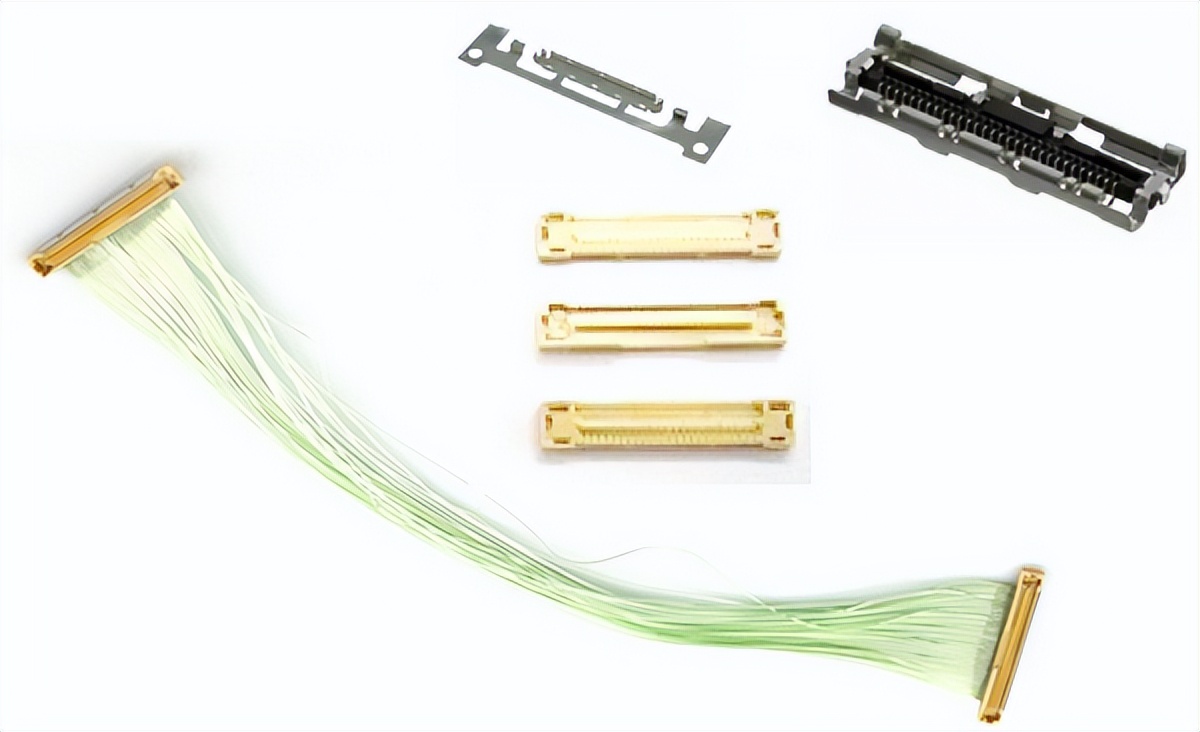
Section 3: Transmission Speed and Application Scenarios
Extremely fine coaxial cable束 supports GHz-level high-speed transmission, featuring low loss and low error rate, and is very suitable for applications such as high-speed image transmission, millimeter-wave communication, AR/VR systems, and high-end medical imaging equipment.
FPC cables are mainly used for medium and low-speed transmission, such as LCD display ribbon cables, battery module to motherboard connections, etc., which can meet regular signal requirements while also considering structural thinness and cost control.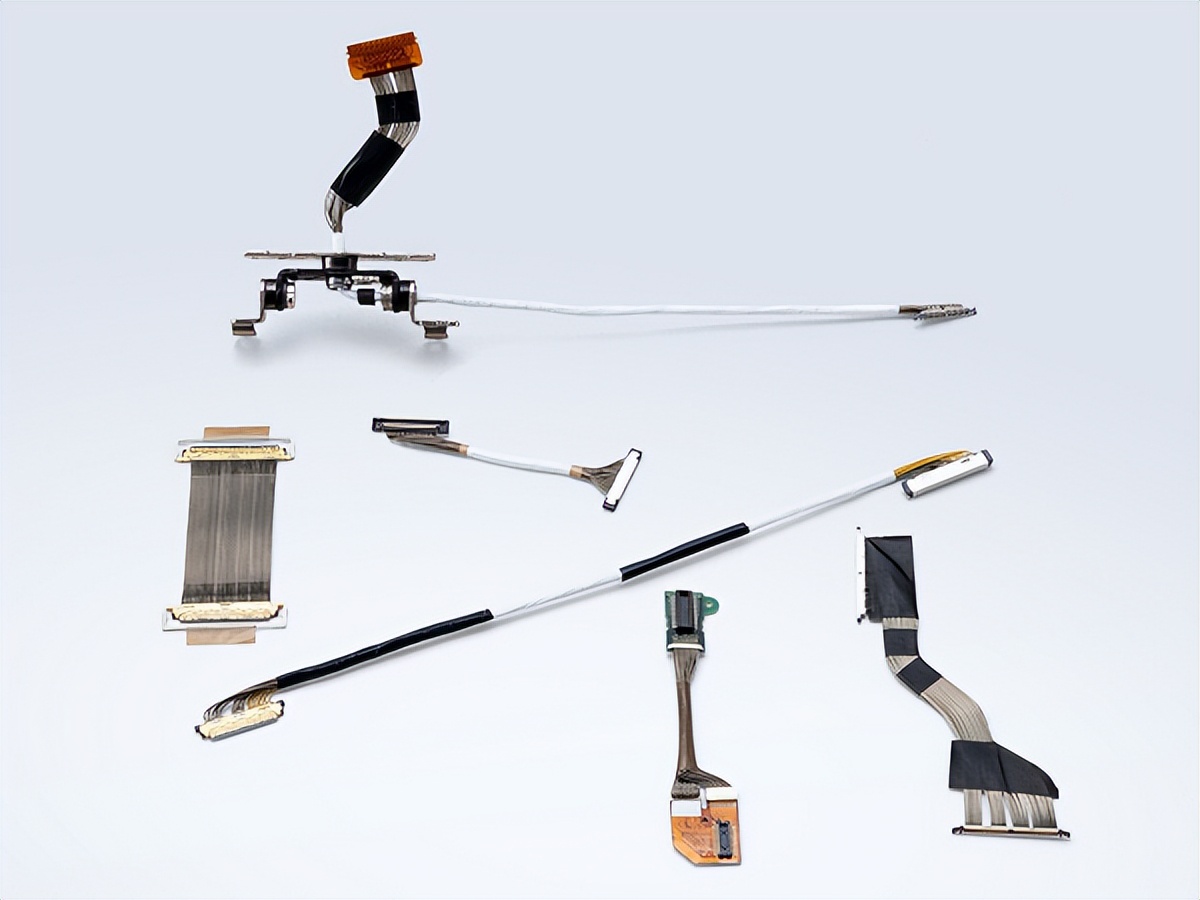
Cost and Manufacturing Efficiency
The FPC cable technology is mature, with high manufacturing efficiency and low cost, suitable for mass production of consumer electronic products.
Compared to ordinary coaxial cables, the production process of ultra-fine coaxial cables is more precise, with higher requirements for assembly and processing accuracy, thus resulting in higher costs.
But in fields that require high performance and high reliability, its value far exceeds its price itself.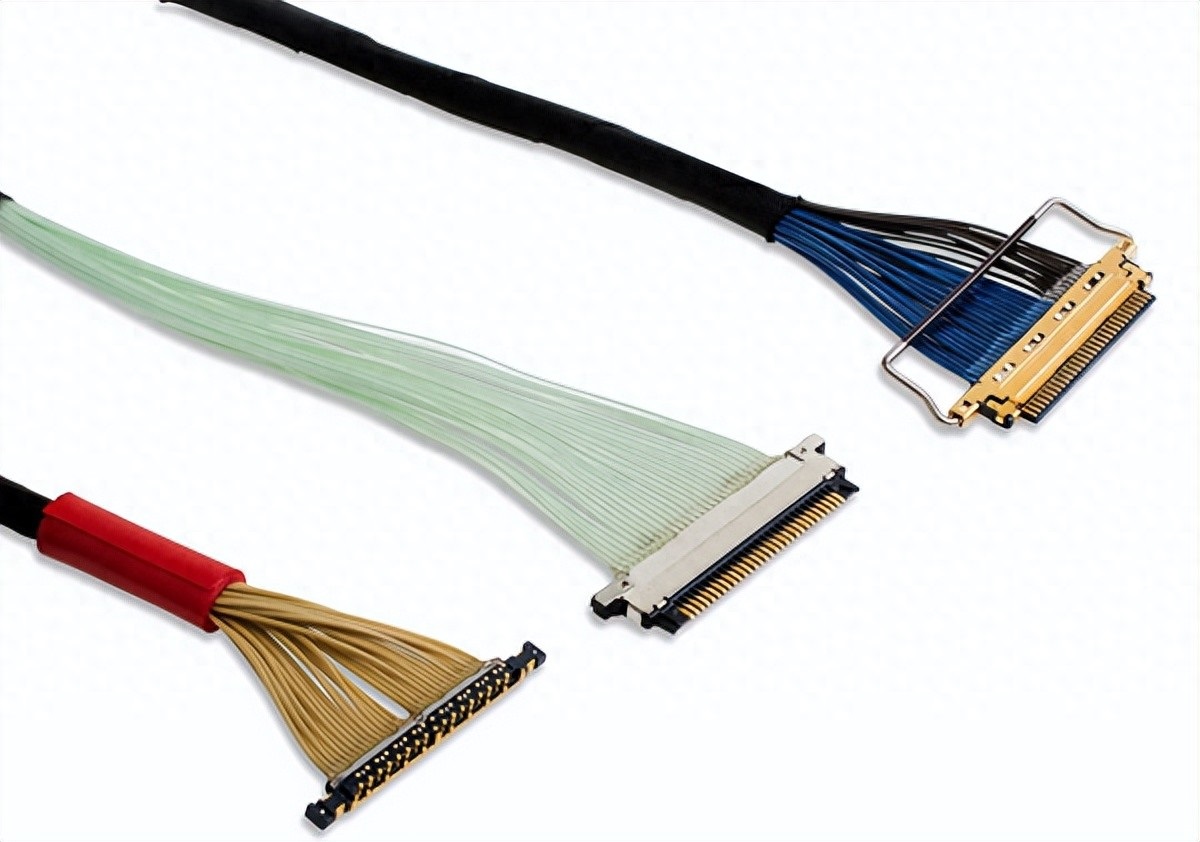
The ultra-fine coaxial cable bundle is not a replacement for FPC cable but rather a complementary solution for different performance requirements.
The former has more advantages in high-speed transmission and anti-interference, suitable for high-end and critical applications; the latter is known for its thinness, flexibility, and low cost, suitable for mass production and cost-sensitive designs.
Only by reasonably choosing both can an ideal balance be achieved between performance and cost.
I amSuzhou Huichengyuan ElectronicsFocuses on the research and development and customization of high-speed signal cables and extremely fine coaxial cables, providing customers with high stability and high consistency interconnection solutions.
If you have any related needs or technical inquiries, please feel free to contact:Manager Yin 18913280527 (WeChat number the same)We will provide you with professional support.
“Without the consent or authorization of this site, no one shall reproduce, reprint, distribute, cite, change, broadcast or publish the content in whole or in part in any form, nor shall there be any other violation of the copyright of this site.