


Categorization:Harness Component
In smartphones, laptops, display modules, and other consumer electronics, extremely thin coaxial cables (micro coaxial cable) combined with I-PEX connectors have become the mainstream solution for high-frequency signal transmission. The following is a summary of several aspects that engineers need to focus on from the design perspective when applying them.
One, connector selection: matching wire diameter and spacing is crucial.
In high-speed signal links, the contact spacing (Pitch) of the connector must be precisely matched with the outer diameter of the cable.
I-PEX common models such as CABLINE®-VS (0.5 mm pitch) and CABLINE®-CA (0.4 mm pitch) require the cable outer diameter to be no more than about 0.5 mm and 0.4 mm respectively.
Larger wire diameters can reduce transmission losses, but they also increase the thickness of the cable assembly, demanding more internal space from the equipment, therefore, a balance needs to be achieved between electrical performance and structural space.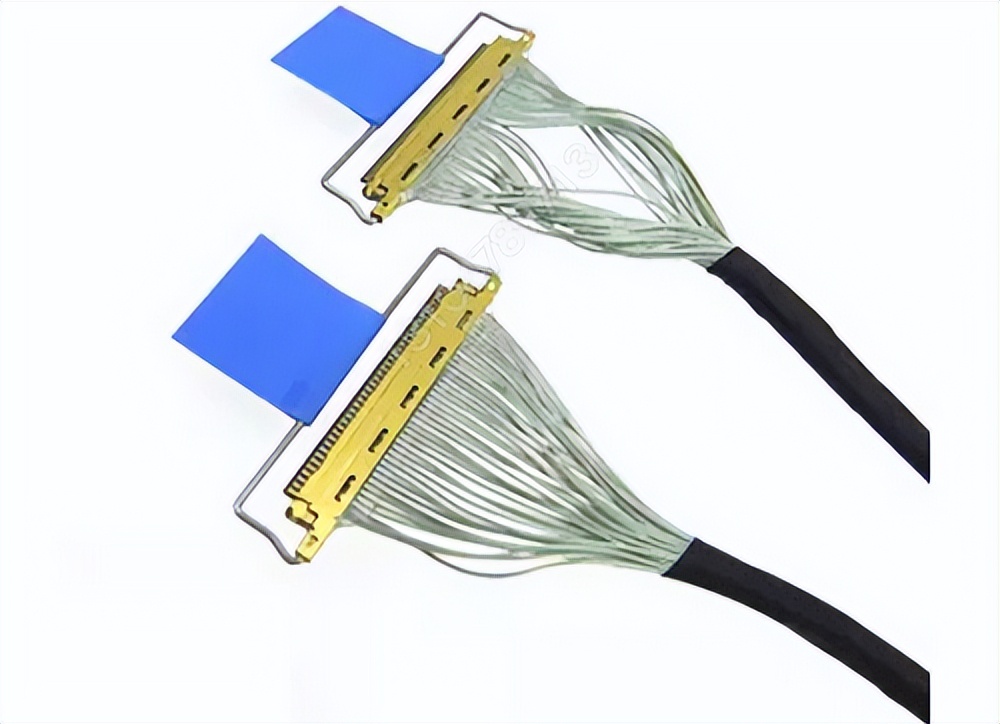
Impedance matching: control signal reflection and loss
In high-speed system design, impedance matching is a key factor for signal integrity.
Most high-speed protocols (such as USB4) may use 42.5 Ω, while traditional standards are mostly 50 Ω.
Therefore, the cables, connectors, and PCB routing must maintain impedance continuity in order to effectively reduce reflections, lower insertion loss, and ensure the stability of signal transmission.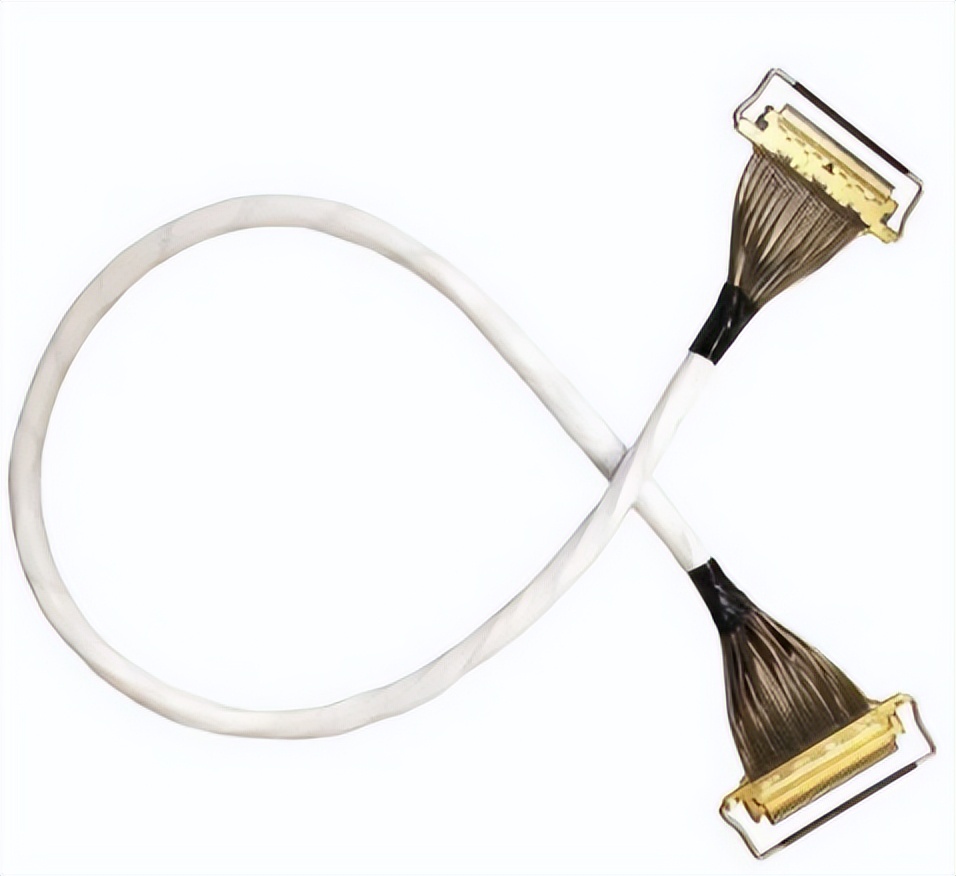
Three, high-speed performance: supports the new generation interface standard
I-PEX's CABLINE® series meets ultra-high-speed transmission requirements, compatible with various protocols such as USB4, Thunderbolt™ 3, eDP, PCIe, etc.
Partial models support frequencies as high as 16 GHz or data rates of up to 64 Gbps (PAM4), with channel rates reaching 32-40 Gbps/lane, providing ample room for future higher bandwidth interfaces.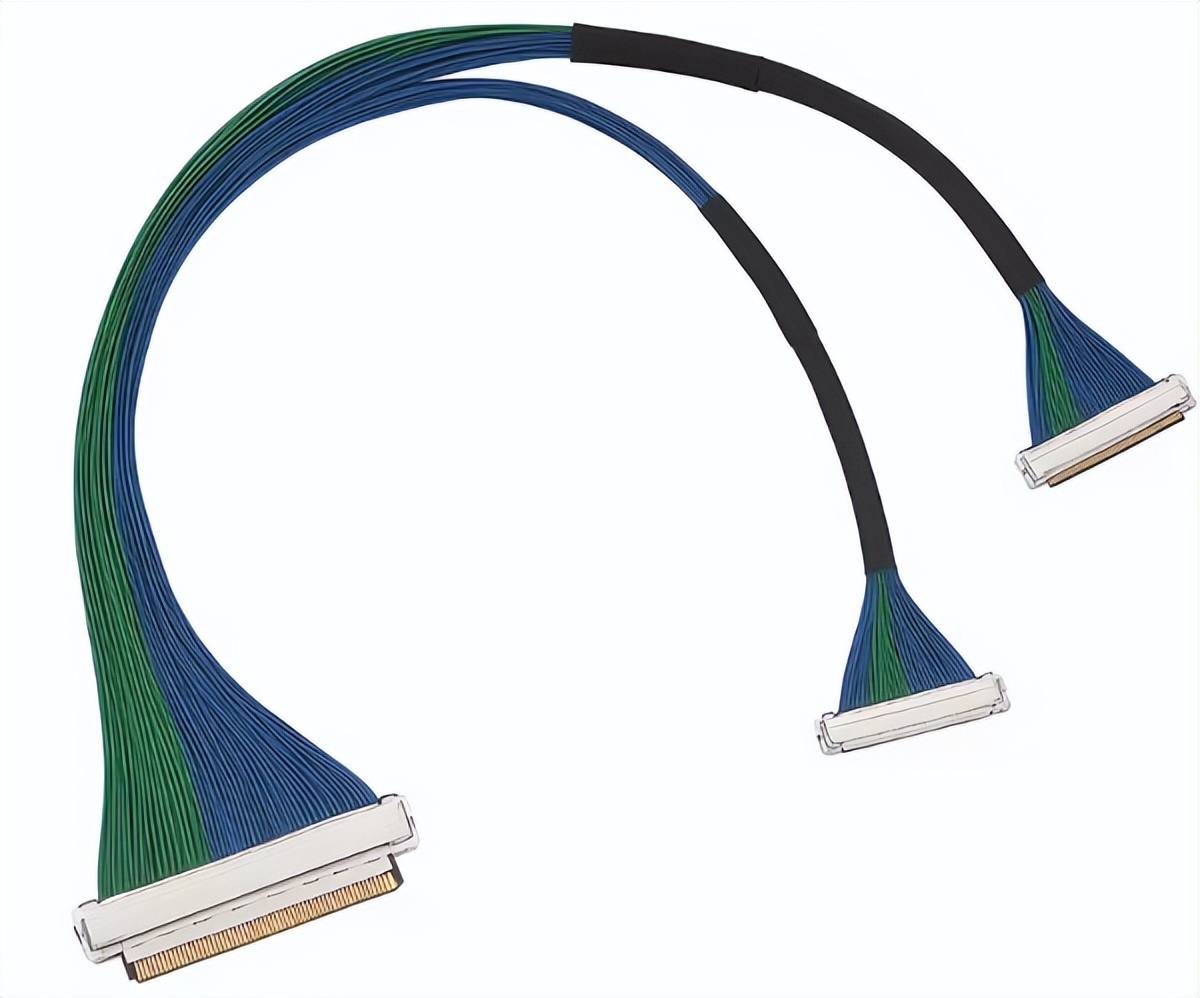
Four, EMC Protection and Structural Stability
I-PEX's ZenShield® full shielding structure achieves 360° EMI protection, multi-point grounding effectively reduces electromagnetic interference.
In addition, some models are equipped with mechanical lock caps to prevent loosening or accidental removal due to stress in vibration or confined spaces, improving the reliability of the connection.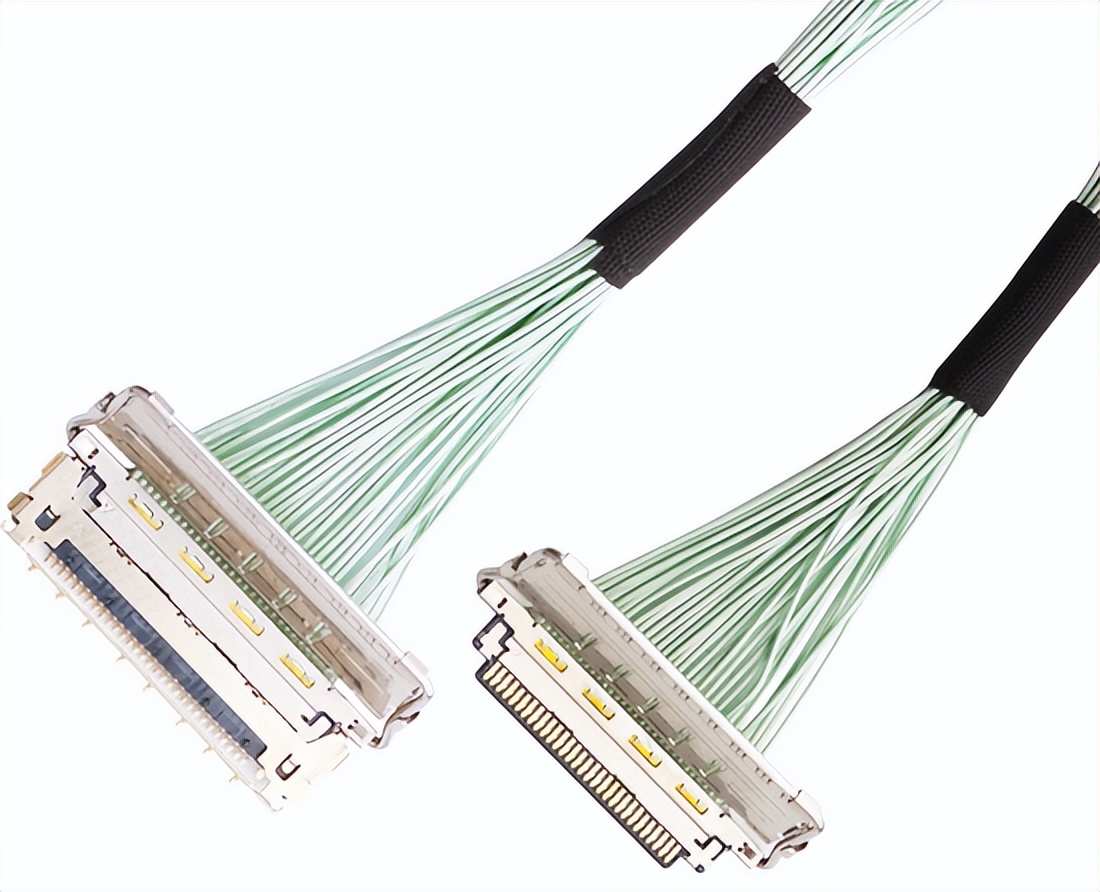
Five, structural form and spatial adaptation
I-PEX offers various interface forms for different device layouts:
Horizontal couplings (CABLINE®-VS / CA / CBL) and vertical right-angle couplings (CABLINE®-UM / UY / UA II) etc.
The overall height is controlled between 0.8-1.2 mm, with some models like CABLINE-UY having a height of only 0.82 mm, which is extremely suitable for thin and light devices with folding or hinge structures.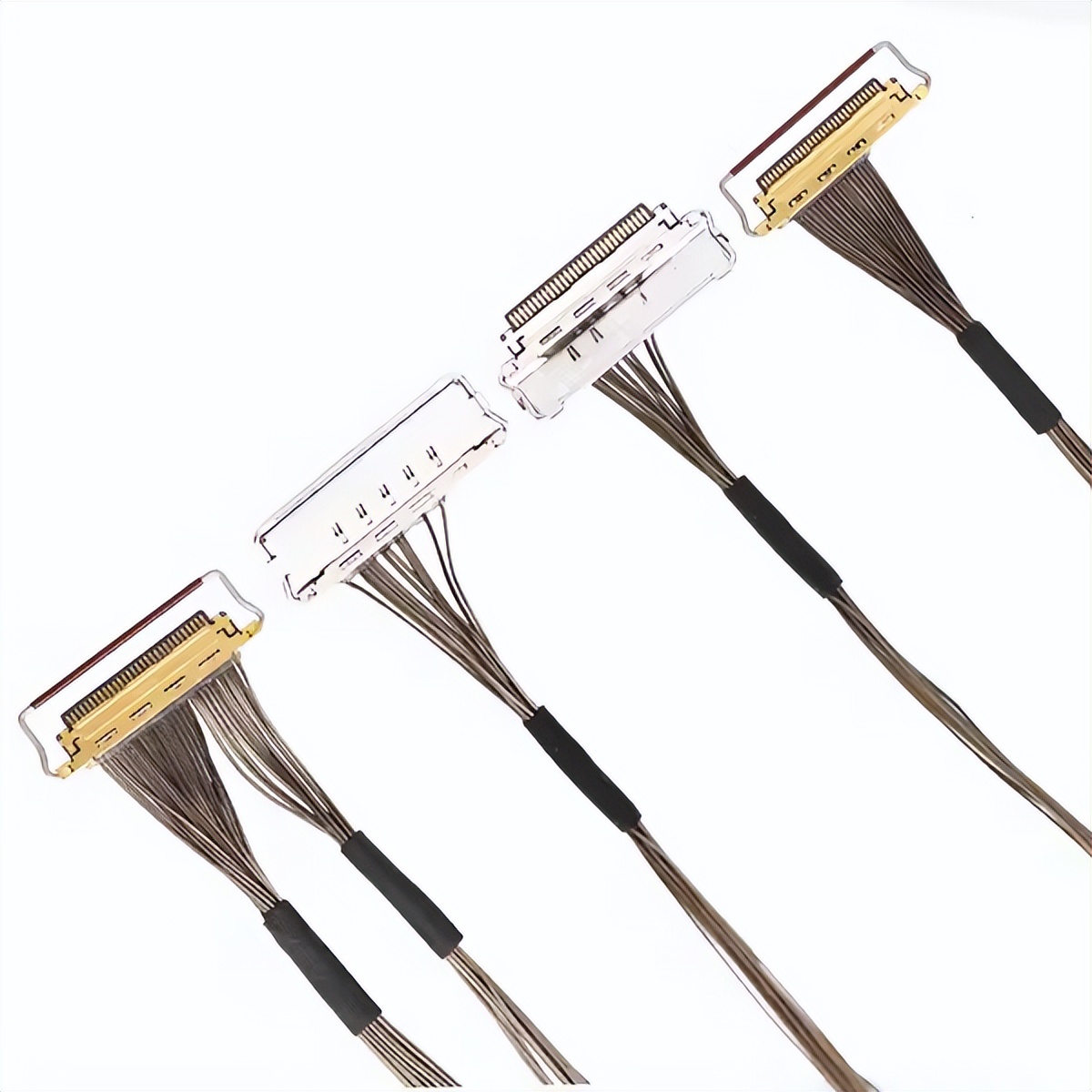
Six, Assembly and Production Efficiency
I-PEX innovative i-Fit® welding-free connection technology significantly shortens assembly time, and combined with automation processes, it can achieve high consistency production.
This not only improves manufacturing efficiency, but also reduces the rate of manual errors, making large-scale harness production more reliable and stable.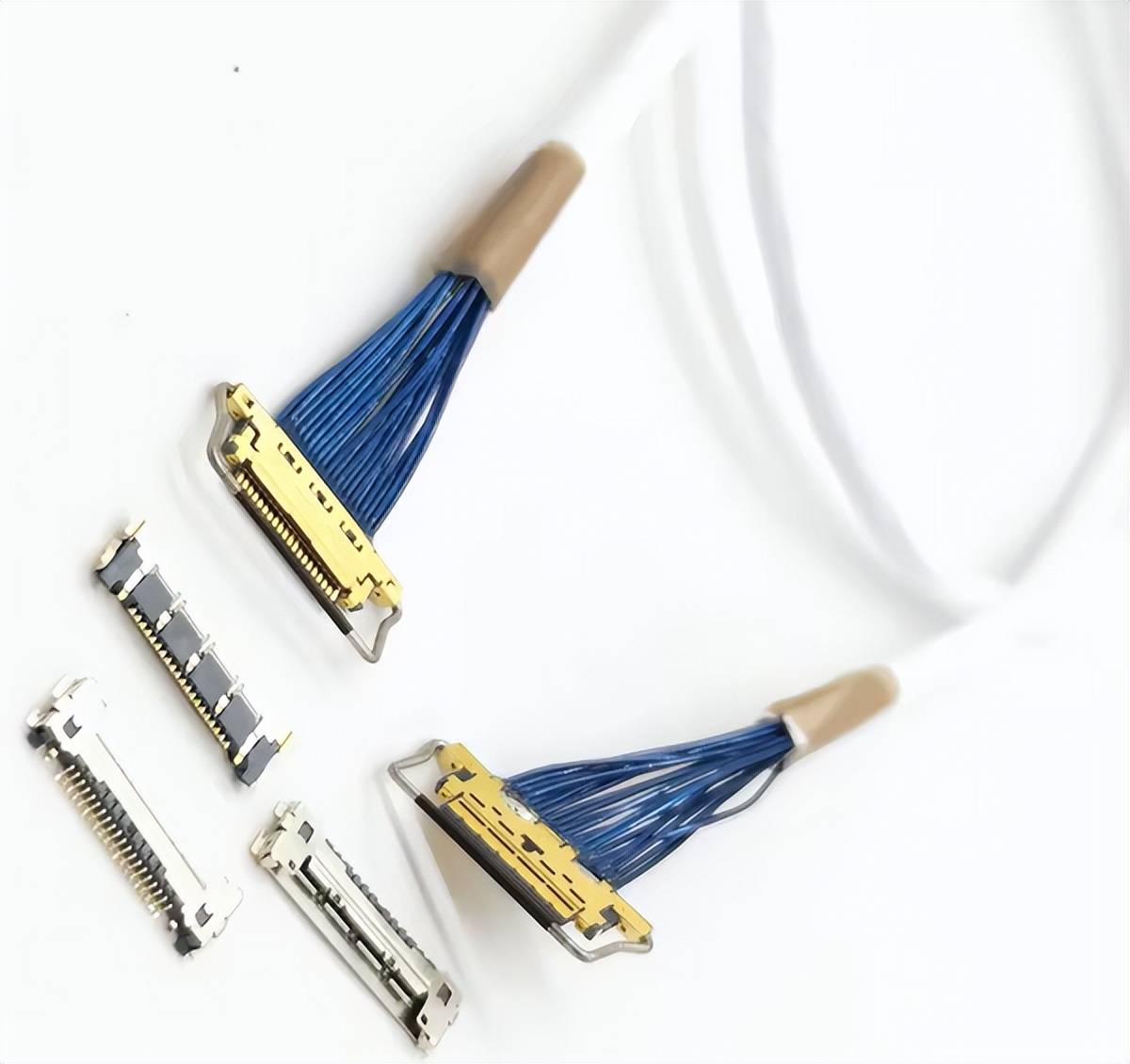
In the design of extremely thin coaxial cable bundles, engineers need to make an overall evaluation from multiple aspects such as matching of spacing and wire diameter, impedance consistency, high-speed performance, EMC protection, spatial layout, and assembly technology.
A reasonable system design can enhance the reliability and design freedom of the whole machine while ensuring signal integrity.
I am[Suzhou Hui Cheng Yuan Electronics], focusing on the research and development and customization of high-speed signal cable harnesses and extremely thin coaxial cable harnesses, providing customers with high-stability high-speed interconnection solutions. If you have related technical needs, please contact:Manager Yin 18013280527 (WeChat same number)We will provide you with professional support and technical services.
“Without the consent or authorization of this site, no one shall reproduce, reprint, distribute, cite, change, broadcast or publish the content in whole or in part in any form, nor shall there be any other violation of the copyright of this site.