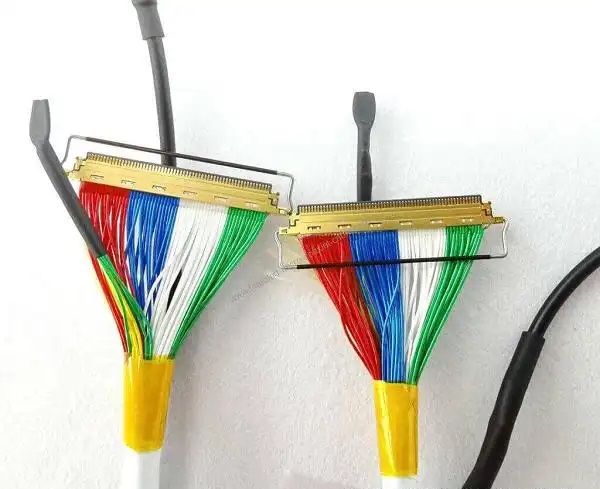
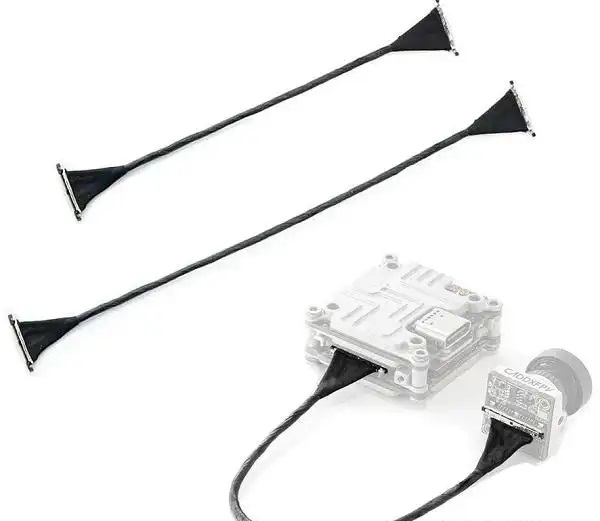
In today's rapidly developing era of high-speed signal transmission and equipment miniaturization, ultra-thin coaxial cable束 (Micro Coaxial Cable) boasts its high-frequency low-loss, excellent shielding performance, and flexibility, and is widely used in fields such as smartphones, medical devices, drones, security monitoring, and vehicle systems. However, many engineers have found in practice that in high-frequency or long-distance transmission situations, ultra-thin coaxial cable束 tends to experience signal attenuation. So, what exactly is signal attenuation? And how can it be effectively addressed? This article will systematically analyze it for you.
What is signal attenuation?
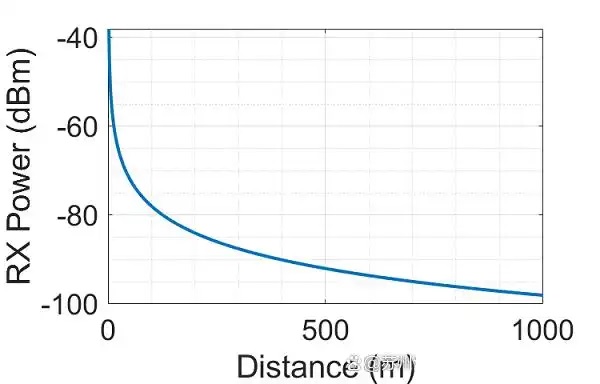
Signal attenuation refers to the phenomenon where an electronic signal gradually weakens during transmission.
In simple terms, it is that the signal becomes "weaker" as it is transmitted, resulting in the receiving end obtaining a signal strength lower than the sending end.
Attenuation is usually expressed in decibels (dB), with higher values indicating more severe signal loss.
In ultra-thin coaxial cables, signal attenuation is an inevitable physical characteristic, mainly affected by the following factors:
• Resistance loss of transmission medium
Electromagnetic radiation and signal leakage
Connector or joint impedance mismatch
External electromagnetic interference (EMI) impact
When the signal attenuation is too great, it can cause signal distortion, data errors, and even lead to communication interruption, seriously affecting the stability and reliability of the equipment.
Why does signal attenuation occur?
The main reasons for signal attenuation include the following:
The transmission distance is too long: the finer the wire diameter, the greater the loss per unit length, and the more obvious the attenuation over longer distances.
High-frequency signal loss: High-frequency signals are more affected by the "skin effect," causing current to concentrate on the surface of the conductor. Since the surface area of a very fine conductor is limited, it is prone to cause energy loss.
Welding or connection quality issues: Solder joints and poorly contacting plug-in interfaces can cause signal instability or loss.
External electromagnetic interference (EMI): Although the coaxial structure inherently has anti-interference capabilities, it may still affect signal quality in environments with strong interference.
Cable bending or mechanical damage: Frequent bending or external force compression can damage the shielding layer or conductor structure, causing signal attenuation.
How to solve signal attenuation? Six optimization strategies
Optimize cable selection
Prioritize the selection of low-loss type, double shielded, or high shielding density (≥90%) Micro Coaxial Cable.
Recommend using high-quality brand cables certified by UL/ISO to ensure consistency and long-term stability.
Reasonably control the transmission distance
Try to shorten the cable length; if the system requires long-distance transmission, you can add a signal amplifier or repeater for compensation.
Strict welding and assembly technology
The solder joints should be firm and reliable, without false welding; the plug-in terminals should match well.
It is recommended to use a dedicated Micro Coax stripping and welding fixture to improve joint consistency and signal integrity.
Enhance EMI shielding measures
Metal mesh or aluminum foil shielding tubes can be added externally to the wire bundle; at the same time, optimize the wiring layout, keeping away from high-frequency and strong interference sources.
Prevent excessive bending of cables
The design should control the reasonable bending radius (usually not less than 5 times the wire diameter) and use cable fixing clamps to prevent suspension, swinging, or pulling.
Conduct signal integrity testing
Detect the signal strength before and after transmission using a TDR tester or a spectrum analyzer, and promptly identify and correct potential issues.
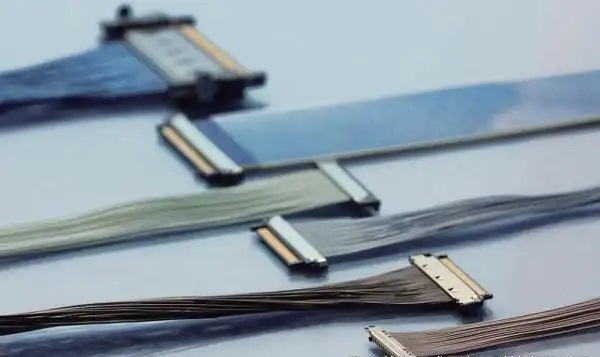
The extremely thin coaxial cable束 is renowned for its thinness, flexibility, and high-density connections, but its high-frequency long-distance transmission characteristics pose higher requirements for signal quality. As long as systematic optimization is carried out in aspects such as selection, technology, shielding, wiring, and testing, the problem of signal attenuation can be effectively controlled, helping equipment to achieve faster, more stable, and reliable signal transmission.
We have long been focused on the design and customization of high-speed signal cable harnesses and ultra-thin coaxial cable harnesses, committed to providing stable and reliable high-speed interconnect solutions. If you have any related needs or would like to learn more, please contact: Yin Manager
18913280527 (WeChat number)。