In modern electronic devices, the speed and stability of signal transmission often determine the upper limit of the whole machine's performance. Whether it is a smartphone camera, high-definition display screen, or medical imaging equipment, and drone transmission module, extremely thin coaxial cables (Micro Coaxial Cable) silently bear the heavy responsibility of high-speed signal transmission. However, many people only pay attention to its wire diameter, bending performance, or shielding effect, yet rarely notice a key parameter——signal delay (Signal Delay). Don't underestimate the difference of just a few nanoseconds, as it can sometimes affect the synchronization and image quality of the system.
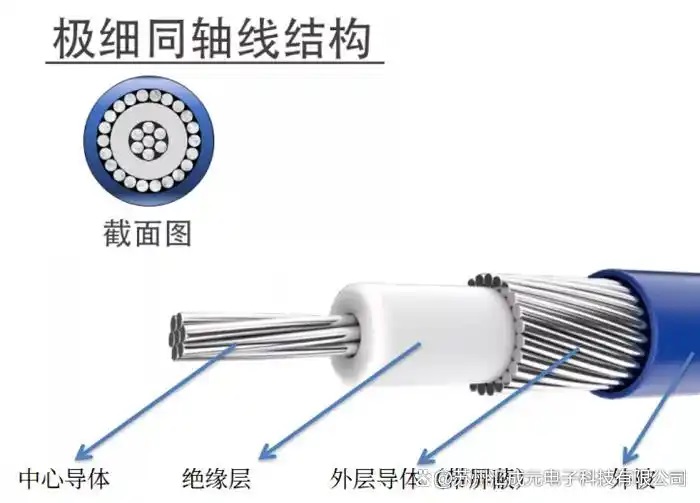
What is ultra-fine coaxial cable?
So-called ultra-fine coaxial cables are those ultra-thin coaxial transmission lines commonly used in mobile phone camera modules, notebook cameras, and medical equipment.
Its diameter is generally between 0.2mm and 1mm, thin enough to be almost as fine as a hair strand.
In terms of structure, it is actually a mini version of a coaxial cable:
Center conductor - thin copper wire, used for transmitting signals.
Insulating layer — the insulating material that wraps the conductor.
• Shielding layer - metal mesh or metal foil, used to prevent electromagnetic interference.
Outer sheath—the outermost protective skin, providing mechanical strength and appearance protection.
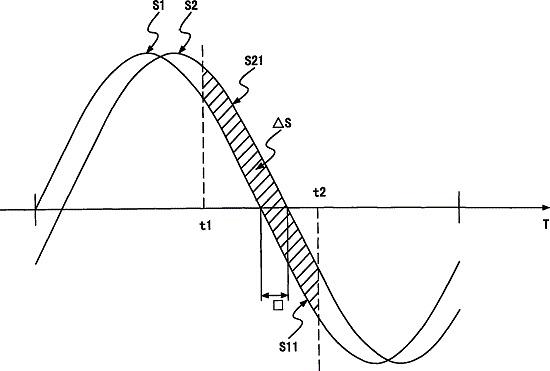
How to calculate signal delay?
In fact, the calculation is quite simple, remember a core principle: the speed of signal propagation depends on the dielectric constant of the insulating material. Different materials can make the signal propagate faster or slower. Common types of insulating materials include PE, FEP, PTFE, etc.
The signal propagation speed of these materials is usually about 66% to 70% of the speed of light.
Experience data is as follows:
• PE Material: About 5 ns/m
• PTFE material: approximately 4.8 ns/m

Why pay attention to signal delay?
In ordinary circuits, nanosecond-level delays seem unimportant, but in high-speed signal systems, they are crucial.
For camera modules, high-definition displays, medical instruments, and drone transmission systems, if signal delays are inconsistent or excessive, the following may occur:
Signal timing disorder
Data conflict or interference
Image jitter, transmission error.
Therefore, in high-speed design, engineers calculate delay values at the stage of selecting lines to ensure signal synchronization and system stability.
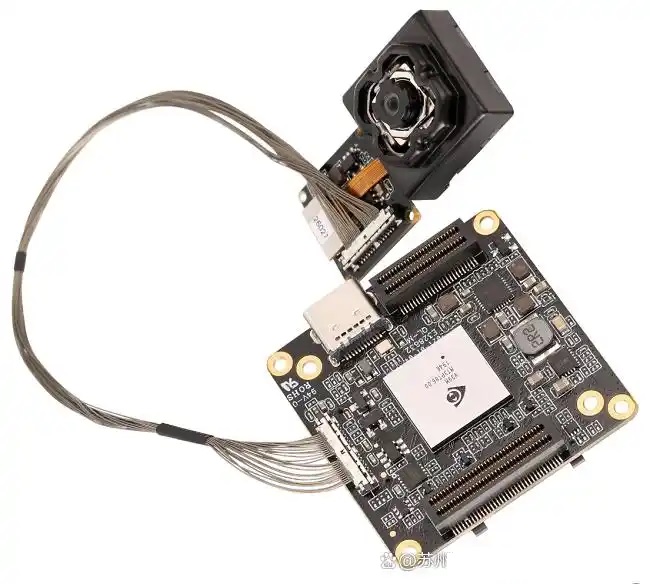
When selecting ultra-fine coaxial cables, it is important to pay attention to not only the wire diameter, bending performance, shielding layer structure, and price, but also the signal delay. Reasonable selection of insulating material and cable length, based on system speed requirements and material characteristics, is necessary to ensure more accurate, stable, and reliable transmission of the device.
We have been focusing on the design and customization of high-speed cable harnesses and extremely thin coaxial cables for a long time, committed to providing stable and reliable high-speed interconnect solutions. If you have any related needs or want to learn more, please contact: Manager Yin.
18913280527 (WeChat number)。