


Categorization:Harness Component
In modern electronic systems, multi-channel high-speed signal transmission has become the norm. Whether it is industrial automation equipment, medical imaging systems, or aerospace electronics, they all require simultaneous transmission of multiple data streams and demand that each signal arrives accurately, synchronously, and stably.
In these application scenarios, the **extremely fine coaxial cable束** (Micro Coaxial Cable) has become the preferred solution for engineers due to its precise structure and excellent electrical performance. So, how does it perform consistently in multi-channel transmission?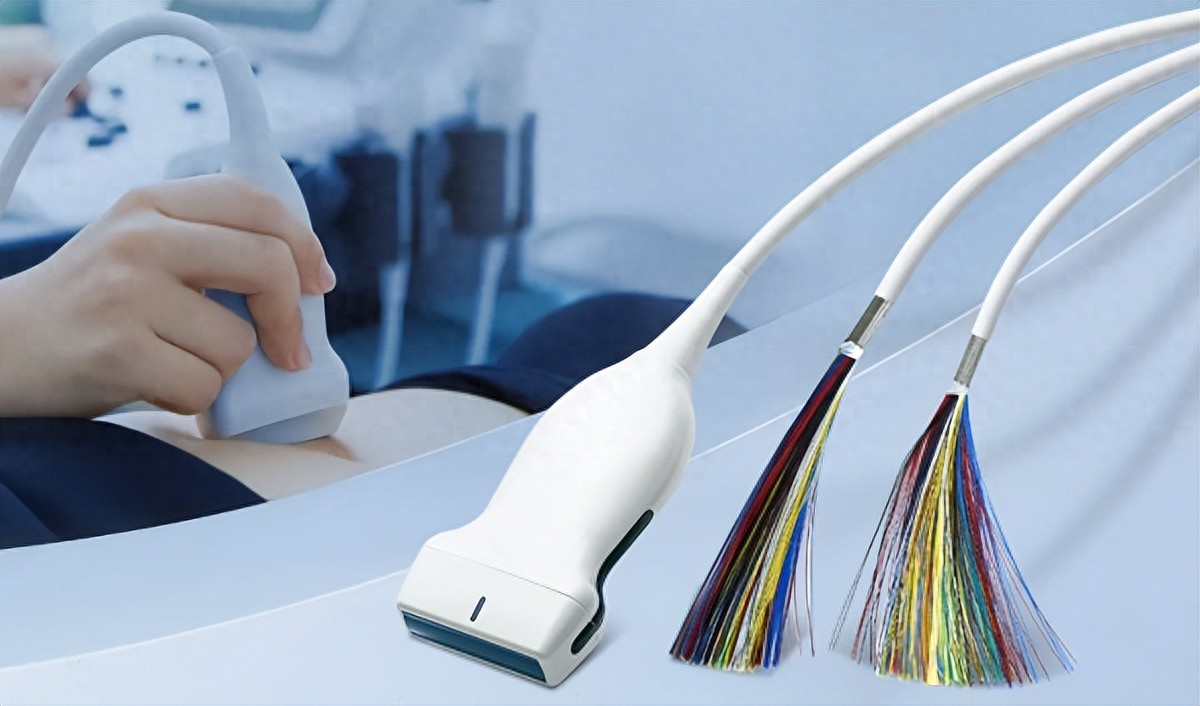
One, impedance control: the key to signal stability
One of the core advantages of extremely fine coaxial cable bundles is their precise impedance control capability. By strictly controlling the conductor diameter, dielectric thickness, and spacing of the shielding layer, it can effectively reduce signal reflection and distortion, ensuring that multi-channel signals remain stable and consistent in high-frequency environments. This design makes the overall signal quality of the system more predictable and reliable.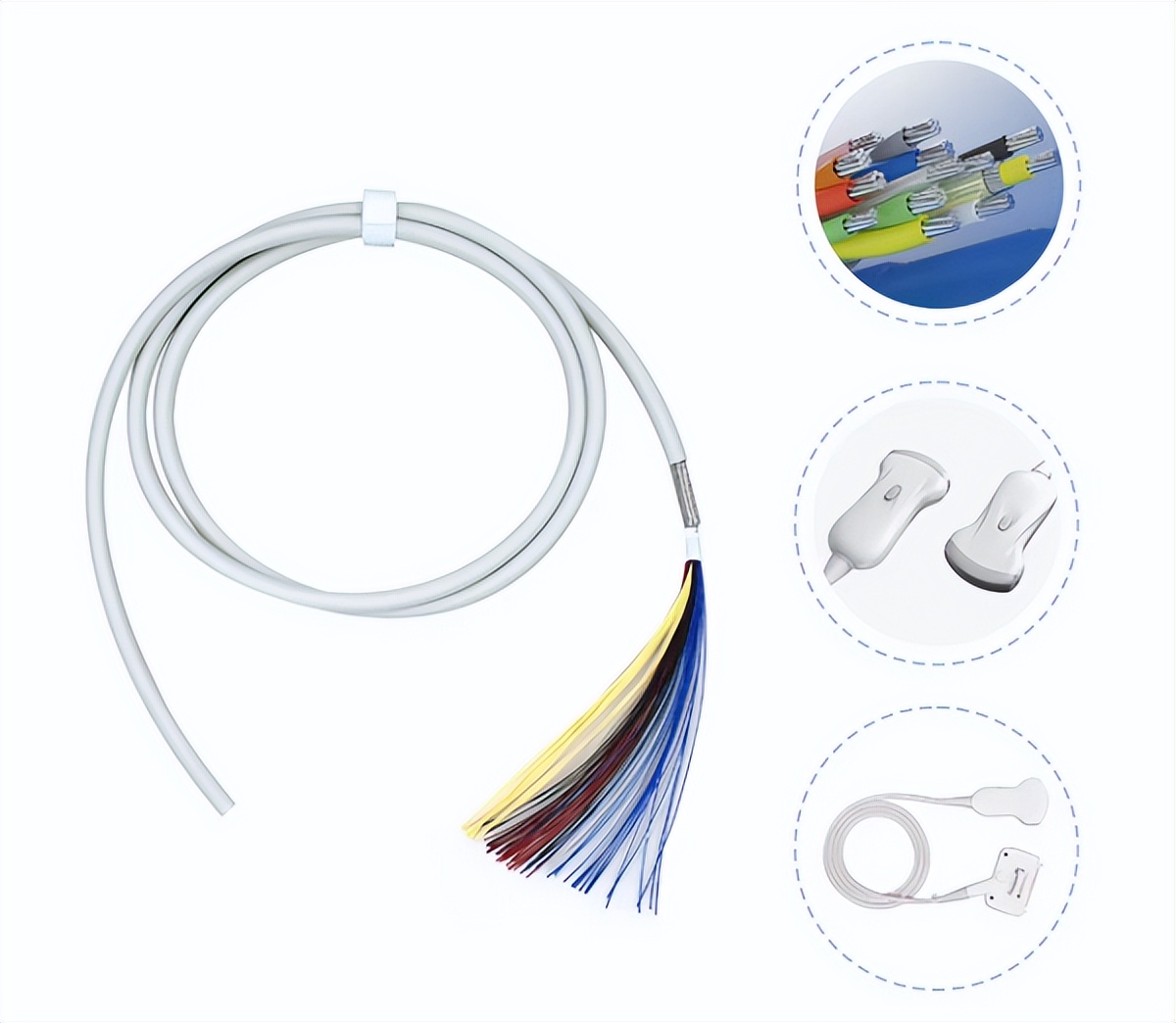
Two, shielding and anti-interference: ensuring channel independence
In multi-channel parallel transmission, electromagnetic interference (EMI) and signal crosstalk are often hidden hazards affecting data quality.
The extremely thin coaxial cable束 adopts a multi-layer shielding structure, which can effectively isolate external electromagnetic noise and reduce coupling interference between adjacent channels, allowing each signal to be transmitted without interference. This feature is particularly important for high-density, multi-channel designs.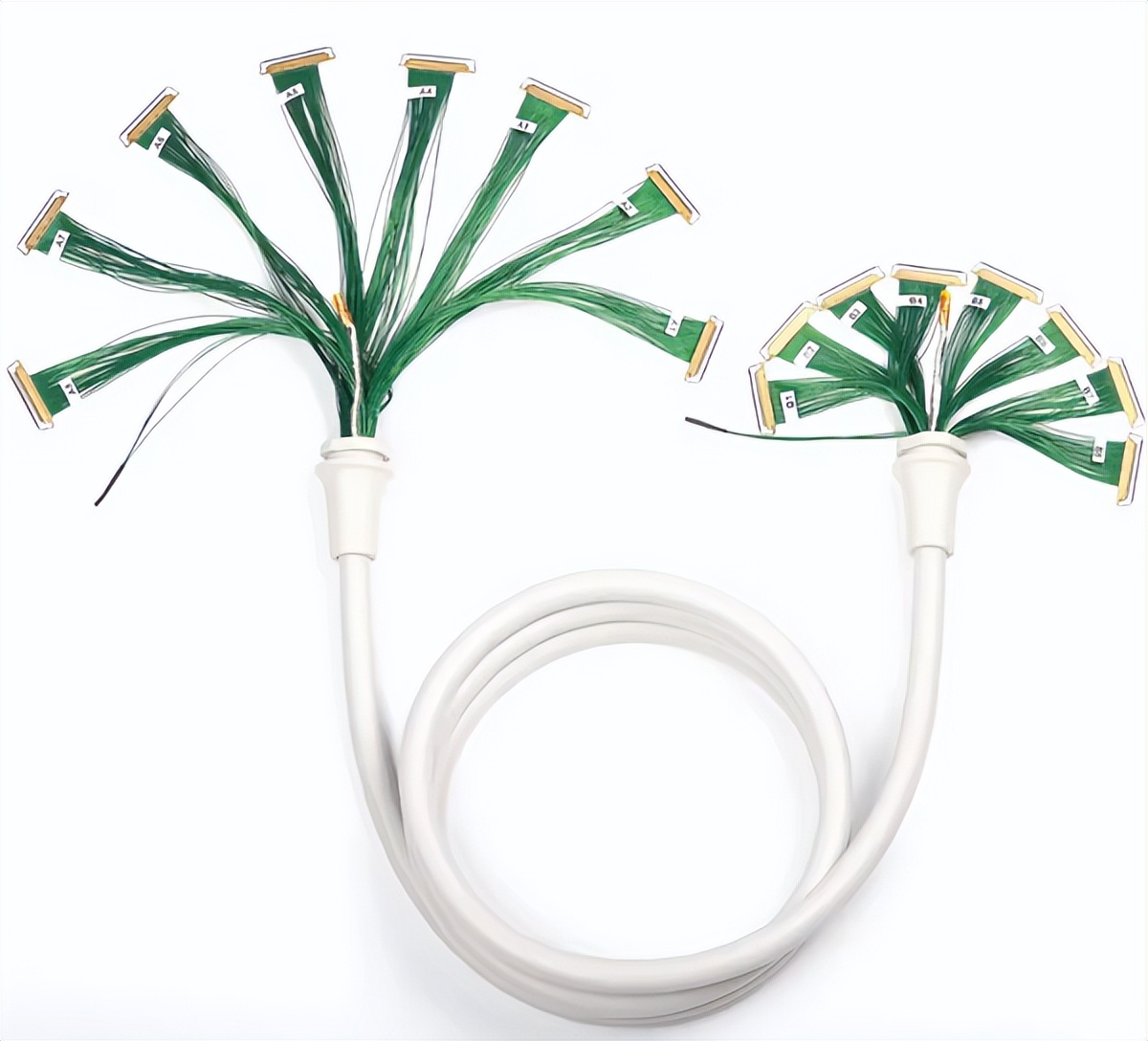
Three, Manufacturing Consistency: Mechanical Precision Determines Electrical Stability
In addition to electrical performance control, manufacturing accuracy also determines the consistency of the wire harness.
The ultra-fine coaxial cable requires strict control over dimensional tolerances and material distribution during production to ensure that the geometric structure of each wire is almost completely consistent. Only in this way can electrical parameters between channels be matched, avoiding delays or phase shifts caused by individual differences.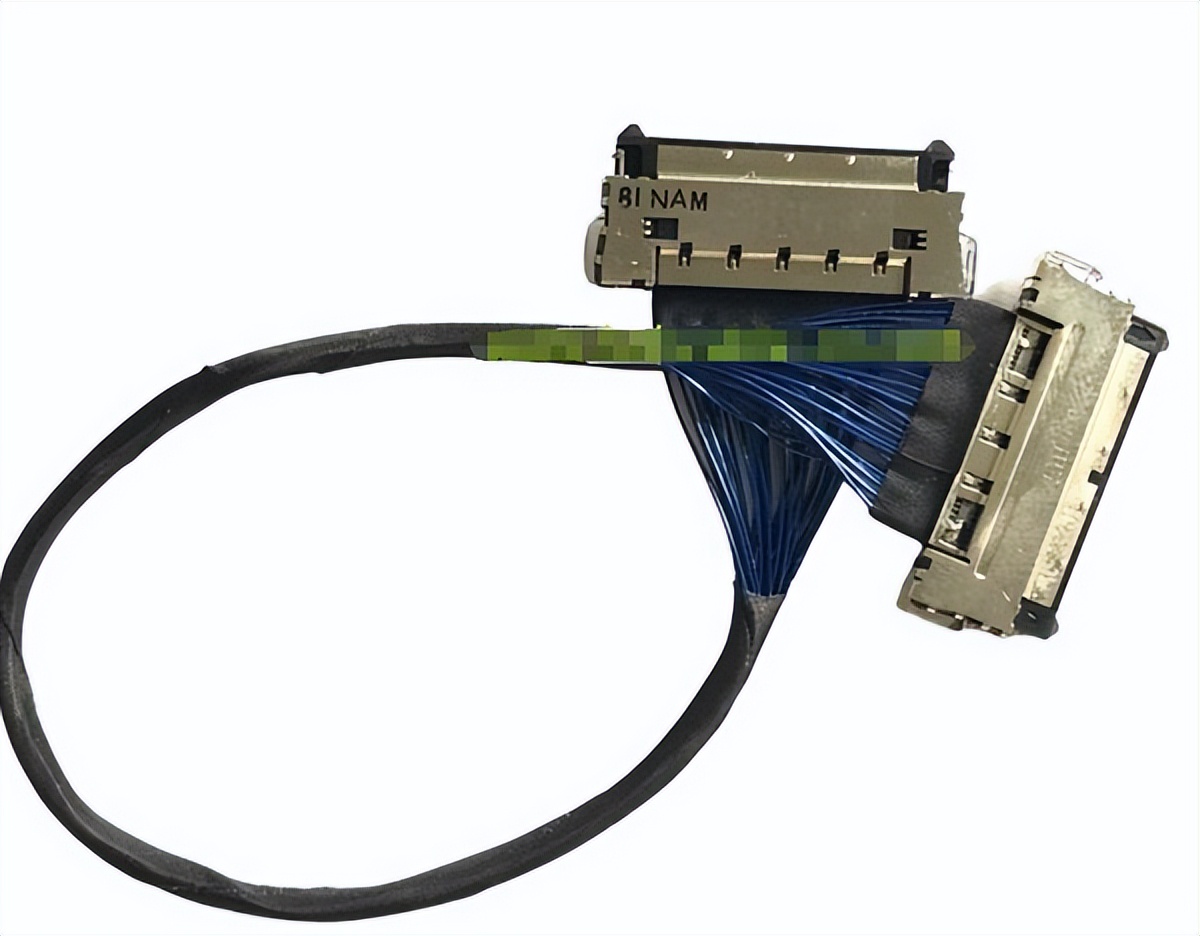
Four, Delay and Phase Matching: The Foundation of Synchronization
In multi-channel systems, the delay difference (skew) and phase deviation often directly affect the signal synchronization.
The ultra-fine coaxial cable bundle, through precise length control and consistent structural design, can achieve extremely small delay deviation and excellent phase stability. Even under long-term bending or temperature change environments, it can maintain synchronous output of multi-channel signals.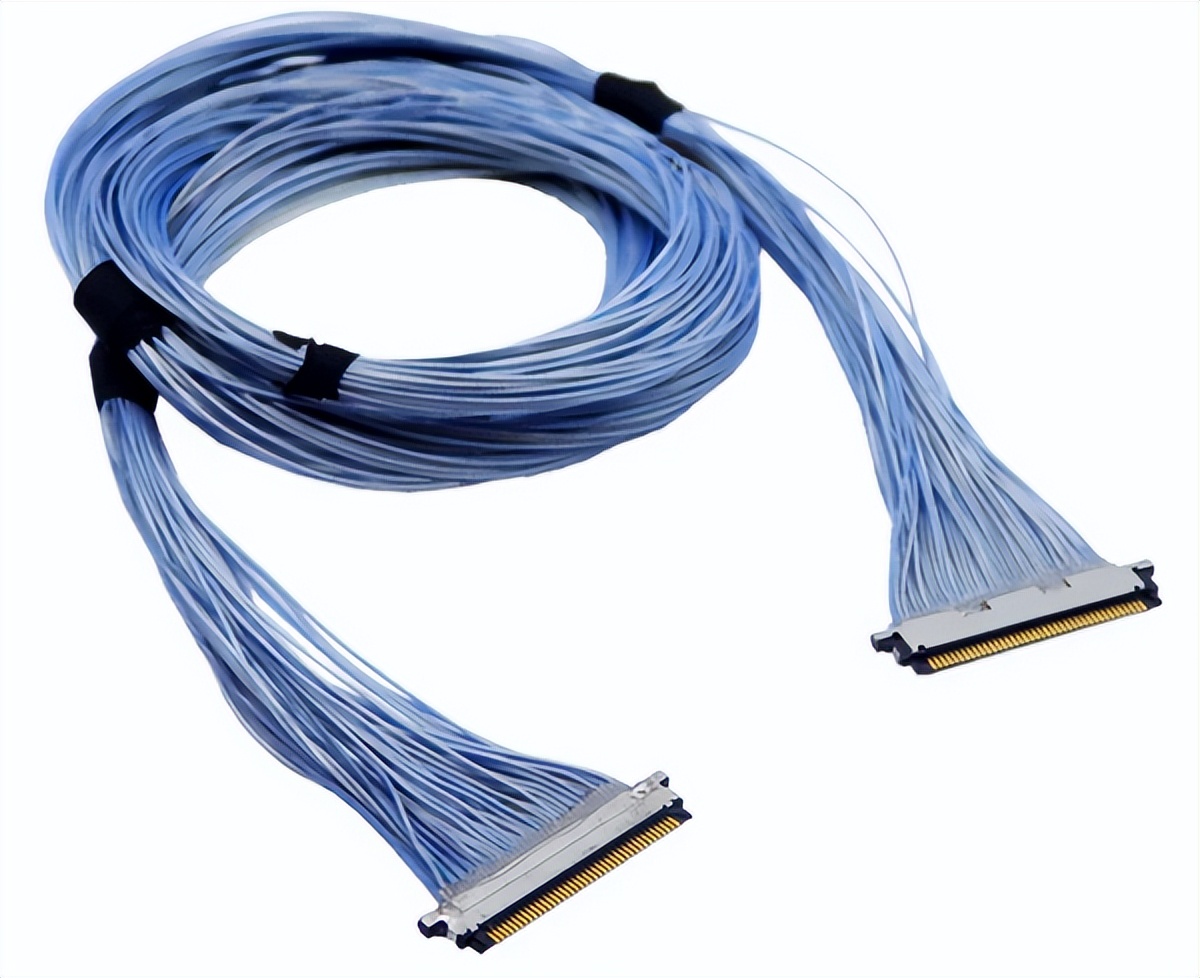
Fifth, facing high-speed protocols: embracing future challenges
With the popularity of high-speed interface standards such as USB4, Thunderbolt, and PCIe, the system has higher requirements for signal integrity and consistency.
Extremely fine coaxial cable束, with its characteristics of low loss, low crosstalk, and high bandwidth, can easily handle high-speed transmission at the level of several tens of Gbps, becoming a solid foundation for future high-performance interconnects.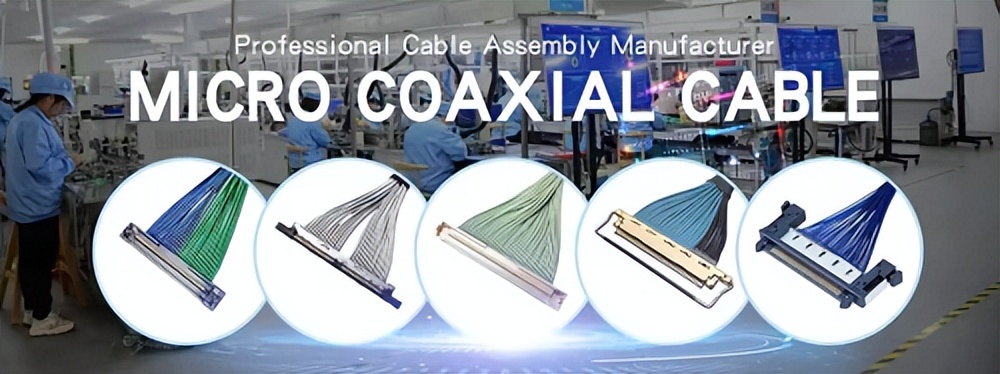 With its advantages such as precise and controllable impedance, excellent shielding effect, high manufacturing consistency, and excellent delay matching, the ultra-thin coaxial cable bundle shows a convincing stable performance in multi-channel high-speed transmission.
Therefore, it is widely used in fields with extremely high requirements for signal quality, such as medical equipment, aerospace, industrial control, and high-speed communication systems.
I am[Suzhou Huichengyuan Electronic], focusing on the research and development as well as customization of high-speed cable harnesses and ultra-fine coaxial cable harnesses, committed to providing stable and reliable high-speed interconnect solutions. If you have any related needs or wish to learn more, please contact:Manager Yin 18913280527 (WeChat number same)。
“Without the consent or authorization of this site, no one shall reproduce, reprint, distribute, cite, change, broadcast or publish the content in whole or in part in any form, nor shall there be any other violation of the copyright of this site.