


Categorization:Harness Component
In modern electronic devices, **micro coaxial cable** is almost ubiquitous.
Whether it is a smartphone, laptop, drone, or high-precision medical equipment, it undertakes the important task of high-speed signal transmission. Its advantage lies in its ability to achieve high-speed, low-noise transmission in extremely limited spaces while maintaining lightness and flexibility.
However, behind these advantages, **signal attenuation** is still a technical challenge that engineers must face. Understanding its formation mechanism and optimization direction is crucial to ensuring system performance.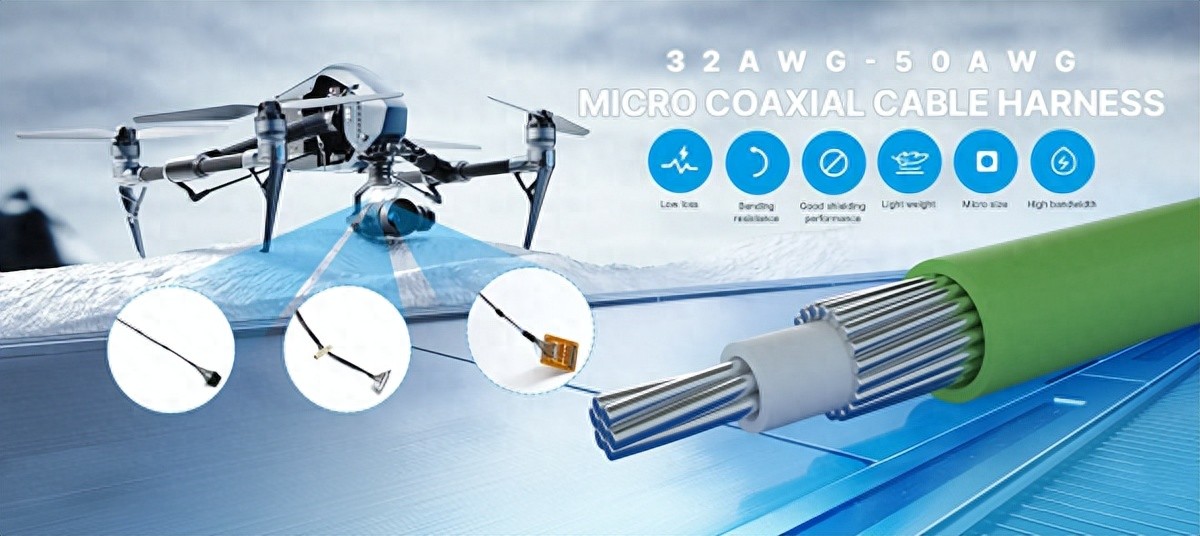
The main reasons for signal attenuation
1.1 Conductor Loss:
The inner conductor of extremely thin coaxial cables usually adopts silver-plated copper or tin-plated copper materials to improve conductivity.
But due to the extremely small wire diameter, a significant skin effect occurs when the signal frequency increases—the current concentrates on the surface of the conductor, resulting in a reduced equivalent cross-sectional area, leading to an increase in resistance, and consequently, an increase in high-frequency losses.
1.2 Dielectric Loss:
Insulation medium inside cables (such as PTFE or FEP) will experience dielectric polarization loss under high frequency.
The higher the frequency, the larger the dielectric loss factor (Df), and energy is dissipated in the form of heat, causing the signal strength to attenuate as the distance increases.
1.3 Shielding layer attenuation:
Extremely thin coaxial cables usually adopt a combination structure of woven shielding or foil plus woven.
However, limited by wire diameter and manufacturing technology, the thickness of the shielding layer and the weaving density are limited. When the shielding efficiency is insufficient, external electromagnetic noise (EMI) will be superimposed on the signal path, further weakening the effective signal.
1.4 Connector and bend loss:
In miniature devices, cables often need to be routed in narrow spaces for bending.
If the bending radius is too small, it will cause impedance discontinuity and induce reflection loss; at the same time, an unreasonable connector design may also lead to an increase in contact resistance, thus increasing transmission attenuation.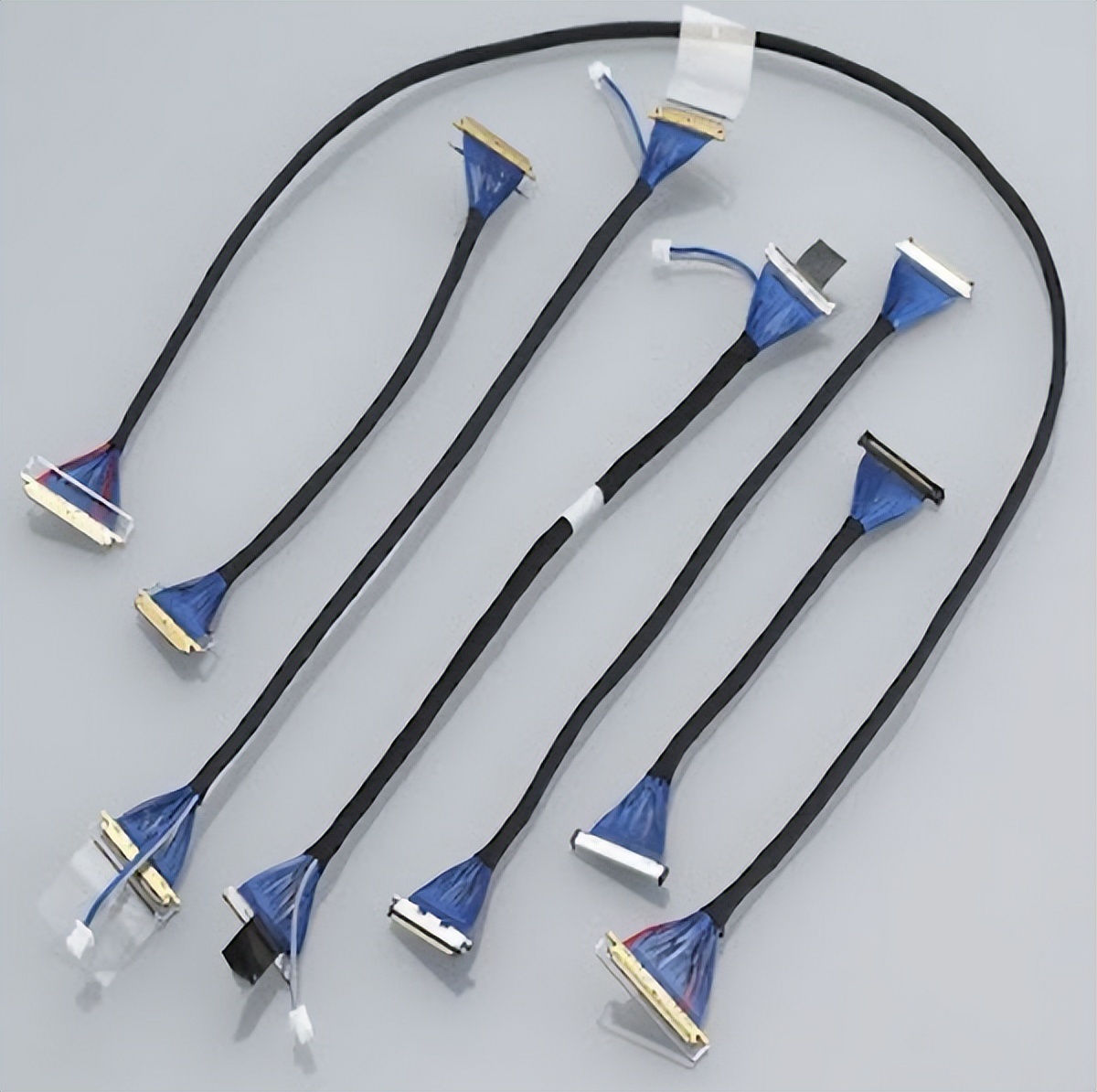
Chapter 2 Engineering Optimization Approach
In order to minimize signal attenuation and improve system transmission performance, engineers usually adopt the following measures in design and manufacturing:
2.1 Optimize conductor material
Select high conductivity materials such as silver-plated copper or pure copper to reduce high-frequency resistance loss.
2.2 Adopt low-loss medium materials
Insulation materials with low dielectric constant and low loss factor, such as PTFE and LCP, effectively reduce dielectric loss.
Enhance the design of the shielding structure
By increasing the weaving layer density and adopting double-layer or multi-layer shielding structures, the anti-interference ability and signal purity are significantly improved.
2.4 Optimized Wiring and Mechanical Structure
Control the bending radius of cables to avoid excessive bending and stretching; at the same time, choose high-precision connectors to reduce contact resistance.
In summary, the signal attenuation of ultra-fine coaxial cable束 is mainly caused by various factors such as conductors, media, shielding, and mechanical structures.
Only by optimizing the entire process from material, design, manufacturing to application can the signal integrity and system stability be maximized.
Therefore, in the design of high-speed signal chains, selecting and using high-quality Micro Coax cables correctly has become a key step in improving equipment performance.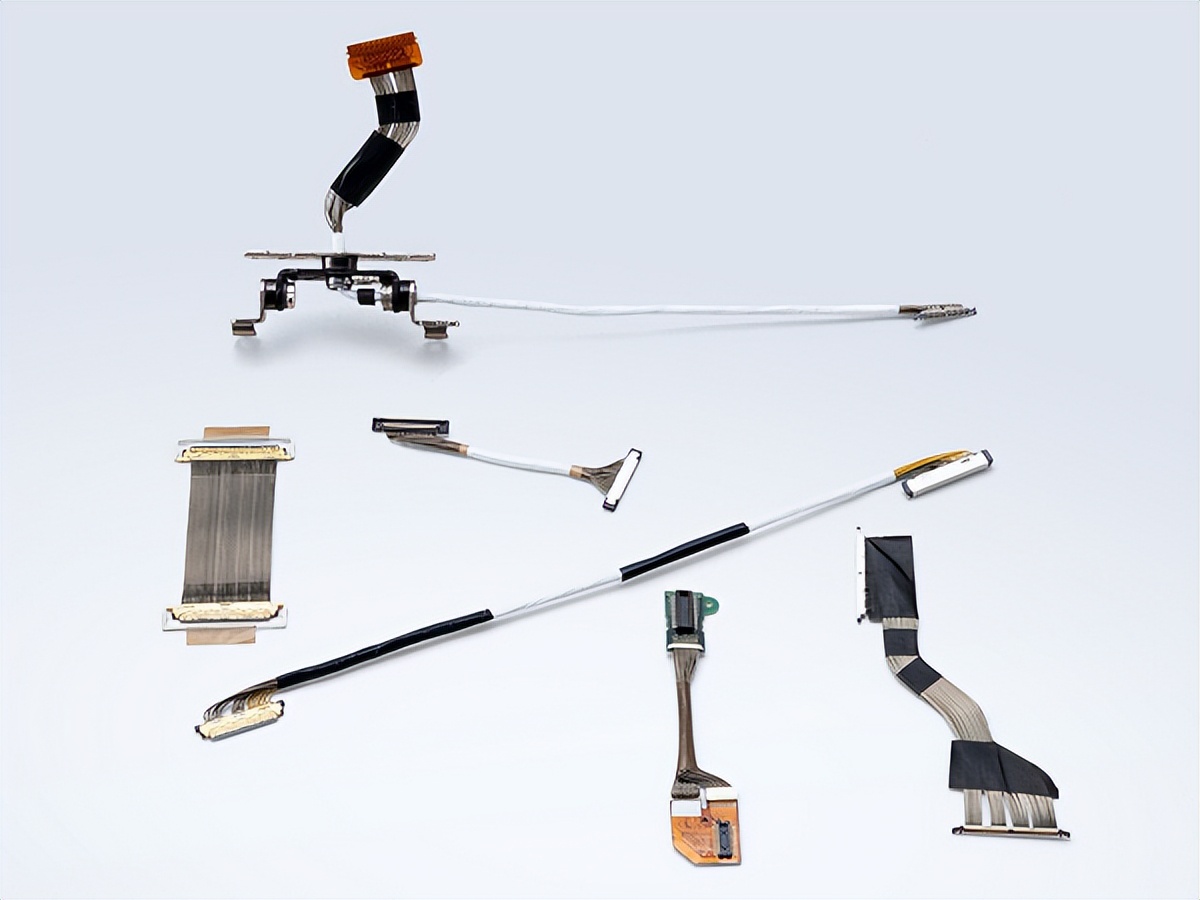
I am[Suzhou Hui Cheng Yuan Electronics]Focused on the design and customization of high-speed signal cables and extremely thin coaxial cables, dedicated to providing customers with high-performance, low-loss high-speed interconnection solutions. If you have any related needs or would like to learn more, please contact:Manager Yin 18913280527 (WeChat same number)。
“Without the consent or authorization of this site, no one shall reproduce, reprint, distribute, cite, change, broadcast or publish the content in whole or in part in any form, nor shall there be any other violation of the copyright of this site.