


Categorization:Harness Component
In the field of high-speed data transmission, ultra-thin coaxial cables are gradually becoming the preferred choice for engineers. Their precise structure and excellent electrical characteristics make them particularly outstanding in high-speed, low-interference signal transmission. Especially in differential signal transmission applications, they demonstrate unparalleled stability and reliability.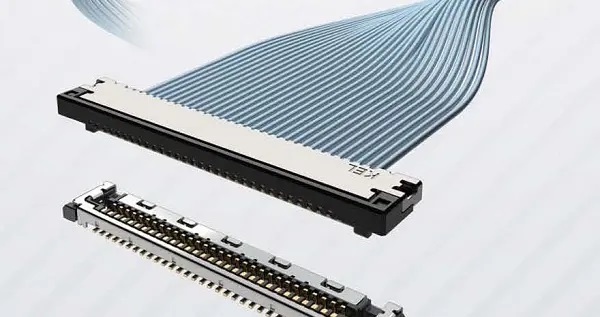
What is differential signal transmission?
Differential signal transmission is a method that transmits signals with equal amplitude and opposite phase through two separate wires.
Compared with traditional single-ended signals, differential signals have stronger anti-interference capabilities, which can effectively counteract external electromagnetic noise, thereby ensuring the integrity and stability of data transmission. This is also the reason why high-speed interfaces such as MIPI, USB, and HDMI commonly adopt differential transmission structures.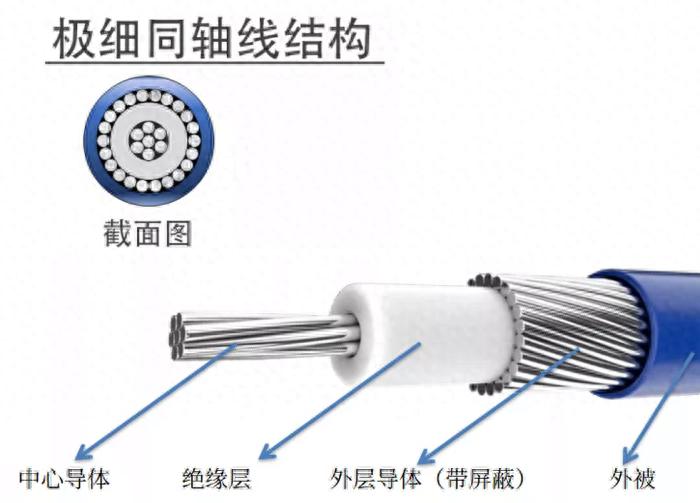
The structural advantages of ultra-fine coaxial beam
The ultra-thin coaxial cable is usually composed of a central conductor, insulating layer, braided shielding layer, and outer sheath. Its outer diameter can be as thin as less than 0.2mm, with extremely high flexibility and wiring freedom, making it very suitable for equipment structures with limited space.
In differential signal transmission, this structural advantage is mainly reflected in the following aspects:
2.1 Reduce crosstalk interference
The design of multi-layer shielding layers can effectively isolate external electromagnetic interference (EMI) and prevent signal crosstalk between channels.
2.2 Maintain impedance consistency
Coaxial structures facilitate strict impedance control, ensuring the integrity of differential signals during high-speed transmission.
2.3 Improve Signal-to-Noise Ratio
Excellent structural design significantly reduces signal loss and noise, ensuring purer and more stable signal output.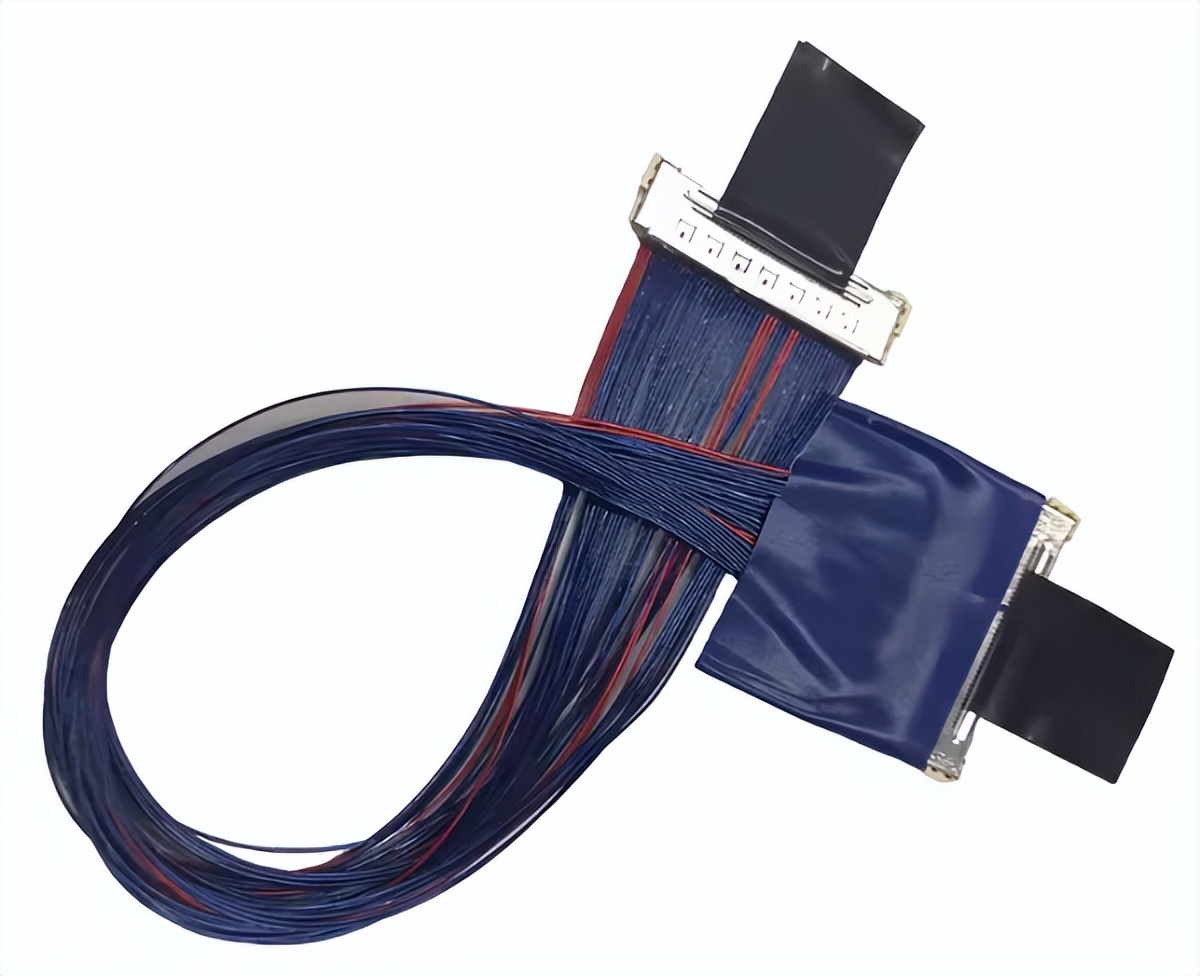
Application Scene Analysis
3.1 Smartphones and tablet devices
In high-speed image signal transmission through interfaces such as MIPI DSI and CSI, extremely thin coaxial cables have become the mainstream solution, helping to achieve high-resolution and low-latency display.
3.2 Automotive Electronics System
The vehicle-mounted camera and radar sensors have strict requirements for bandwidth and weight. The extremely thin coaxial cable can not only meet high-speed transmission but also兼顾lightweight and flexible wiring requirements.
3.3 Industrial and Medical Equipment
In space-limited precision instruments, Micro Coax can provide a highly reliable signal connection, ensuring stable transmission of high-speed data in complex environments.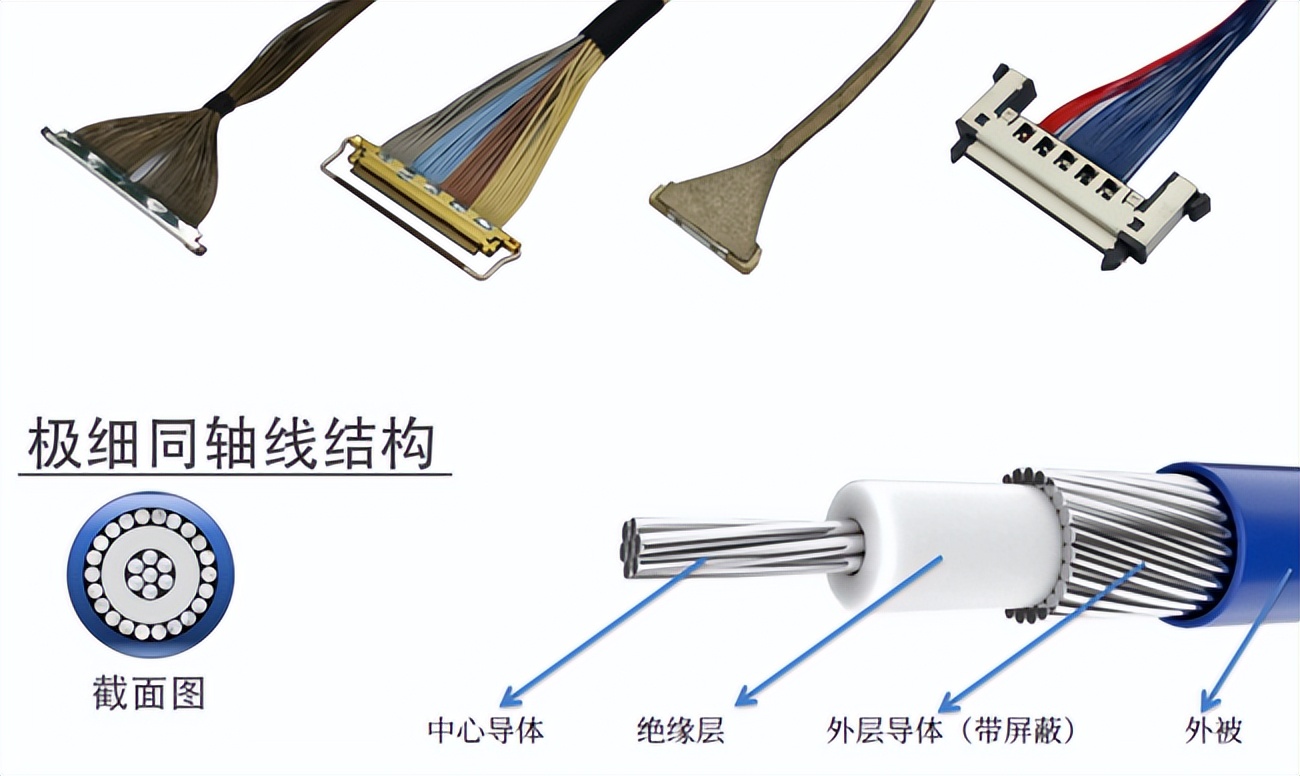
Overall, the maximum value of ultra-fine coaxial cable束 in differential signal transmission lies in its ability to simultaneously achieve high-speed, low interference, and high reliability in extremely limited space.
As consumer electronics, intelligent vehicles, and industrial manufacturing continue to upgrade, Micro Coax will undoubtedly play a crucial role in more high-performance devices.
I am[Suzhou Huichengyuan Electronic], focused on the design and customization of high-speed cable harnesses and ultra-fine coaxial cables, committed to providing customers with high-stability, high-speed interconnect system solutions. If you have related needs or want to learn more, welcome to contact:Manager Yin 18913280527 (WeChat number the same)。
“Without the consent or authorization of this site, no one shall reproduce, reprint, distribute, cite, change, broadcast or publish the content in whole or in part in any form, nor shall there be any other violation of the copyright of this site.