


Categorization:Harness Component
High-speed Signal Transmission and System Stability
Modern visual modules typically use high-speed interfaces, such as MIPI CSI-2, with signal rates per channel reaching several Gbps. Extremely thin coaxial cables pass through coaxial shielding structures, effectively reducing external electromagnetic interference (EMI) while maintaining impedance matching to ensure the integrity and stability of high-speed image data transmission. In comparison, traditional FFC ribbon cables are prone to signal attenuation and crosstalk in high-frequency applications, making micro coaxial cable the ideal choice for multi-camera systems.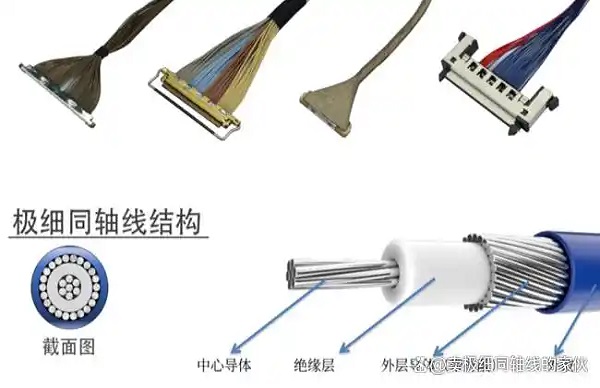
Lightweighting and Flexible Wiring Design
Embedded vision modules are commonly used in devices with limited space, such as handheld terminals, industrial cameras, and drones. The extremely thin coaxial cable bundle has a diameter of only 0.3~0.5mm, is soft, and occupies very little space, enabling complex wiring in narrow spaces. At the same time, it has excellent bending performance, which is convenient for winding, folding, and multi-directional connections, making the layout of multi-module systems more compact and installation easier. The lightweight design not only saves space but also reduces the overall weight of the system, enhancing portability and reliability.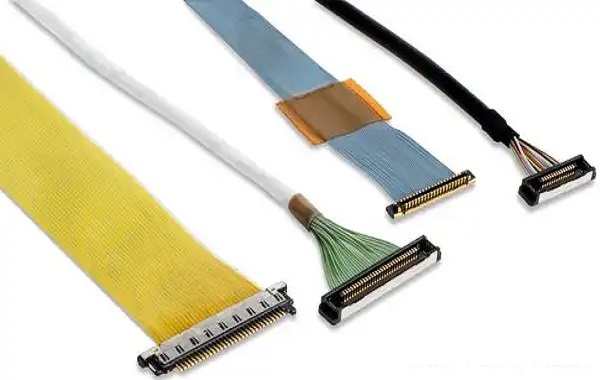
Long-term reliability and cost optimization
Extremely thin coaxial cable bundles use high-density shielding and durable structures to ensure consistent signal transmission over long periods of use, reducing maintenance costs due to poor contact or signal attenuation. Although the unit price is slightly higher, its excellent performance and reliability can actually reduce rework and after-sales issues during mass production, improving overall economic benefits. This is also a key reason why e-con Systems widely adopts micro coaxial cable in the industrial and embedded vision fields.
“Without the consent or authorization of this site, no one shall reproduce, reprint, distribute, cite, change, broadcast or publish the content in whole or in part in any form, nor shall there be any other violation of the copyright of this site.