


Categorization:Harness Component
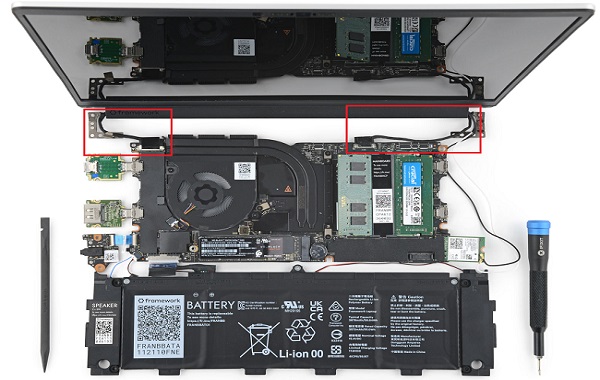
Basic relationship between cable diameter and EMI shielding
The cable diameter directly affects the shielding effect. Larger cables can accommodate thicker and more complete outer conductor layers, thereby achieving stronger shielding capabilities; whereas the shielding layer of extremely thin cables is thinner and more susceptible to interference in high-frequency environments. At the same time, the cable impedance is related to the geometric dimensions of the inner and outer conductors. The smaller the diameter, the more difficult it is to control the manufacturing tolerance, and impedance deviation can lead to reflections and EMI leakage. In addition, in the GHz frequency range, the skin effect further strengthens the requirement for the shielding layer thickness, with a higher risk of penetration for cables with small diameters.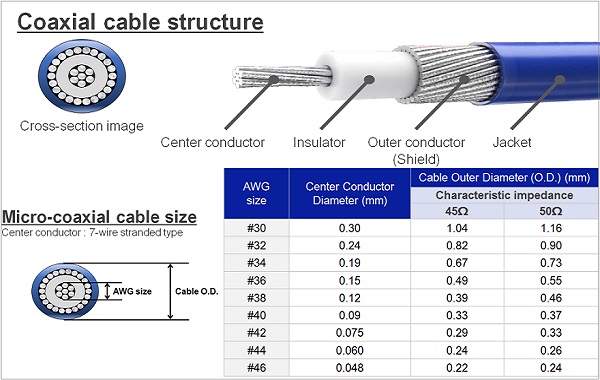
Considerations for diameter selection in the design of ultra-fine coaxial beam arrays
In the design process, it is necessary to find a reasonable balance between size and performance. A smaller diameter allows for more flexible wiring, making it suitable for applications with limited space such as camera modules and mobile devices; however, a larger diameter can provide better shielding stability. To compensate for the disadvantages of a small diameter, a multi-layer shielding structure is often used, such as a combination of metal braided layers and foil layers, to enhance EMI suppression capability. At the same time, the EMI performance of the cable is not only affected by the wire material, but also by the shielding continuity at the connector end, 360° shielding structures, and low-resistance grounding designs. In devices with frequent bending, the impact of bending on the integrity of the shielding layer also needs to be considered.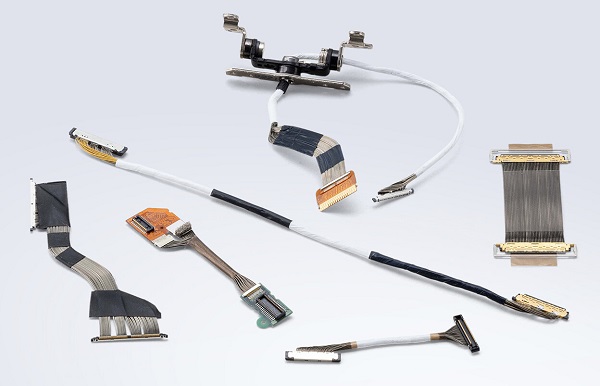
Three, Evaluation Methods and Engineering Strategies
To ensure that the diameter meets the requirements for EMI performance, engineers usually evaluate through three methods. Firstly, they use theoretical calculations and electromagnetic simulations to predict impedance and shielding effects at the design stage. Secondly, by comparing sample tests of cable insertion loss, reflection, shielding effectiveness, and crosstalk, the advantages and disadvantages of the scheme can be directly verified. Finally, sufficient margin should be reserved for EMI performance to avoid unexpected interference issues in the whole machine, reducing the need for rework and design risks.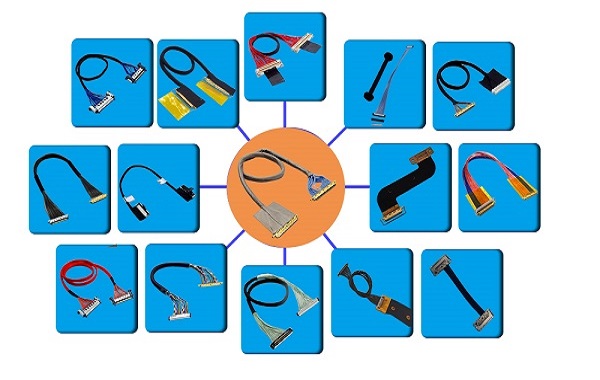
The diameter of extremely fine coaxial cable bundles is obviously correlated with EMI performance: larger diameter offers more robust shielding; smaller diameter requires higher manufacturing precision and shielding structure requirements. In practical applications, selection should not only consider the cable itself but also take into account interface shielding, installation environment, and mechanical reliability. Only through reasonable design and thorough verification can a high-speed interconnection solution that combines space and performance be achieved.
I amSuzhou Huichengyuan Electronic Technology Co., Ltd.Long-term focus on the design and customization of high-speed signal cable harnesses and ultra-fine coaxial cable harnesses, committed to providing stable and reliable high-speed interconnection solutions. For inquiries or selection support, please contact Manager Yin:18913280527 (WeChat number)。“Without the consent or authorization of this site, no one shall reproduce, reprint, distribute, cite, change, broadcast or publish the content in whole or in part in any form, nor shall there be any other violation of the copyright of this site.