


Categorization:Harness Component
In modern high-performance electronic devices—whether thin and light laptops, foldable smartphones, or precise medical exploration equipment—high-speed signal transmission imposes higher requirements on cables. Extremely thin coaxial cables, with their excellent flexibility, excellent shielding performance, and extremely small outer diameter, have become one of the mainstream solutions in the field of high-frequency signal transmission.
In such high-frequency interconnect systems, "characteristic impedance control" is the core element to ensure signal stability and integrity. Proper impedance matching allows for smooth signal transmission; once mismatched, it will cause reflections, distortions, and transmission losses.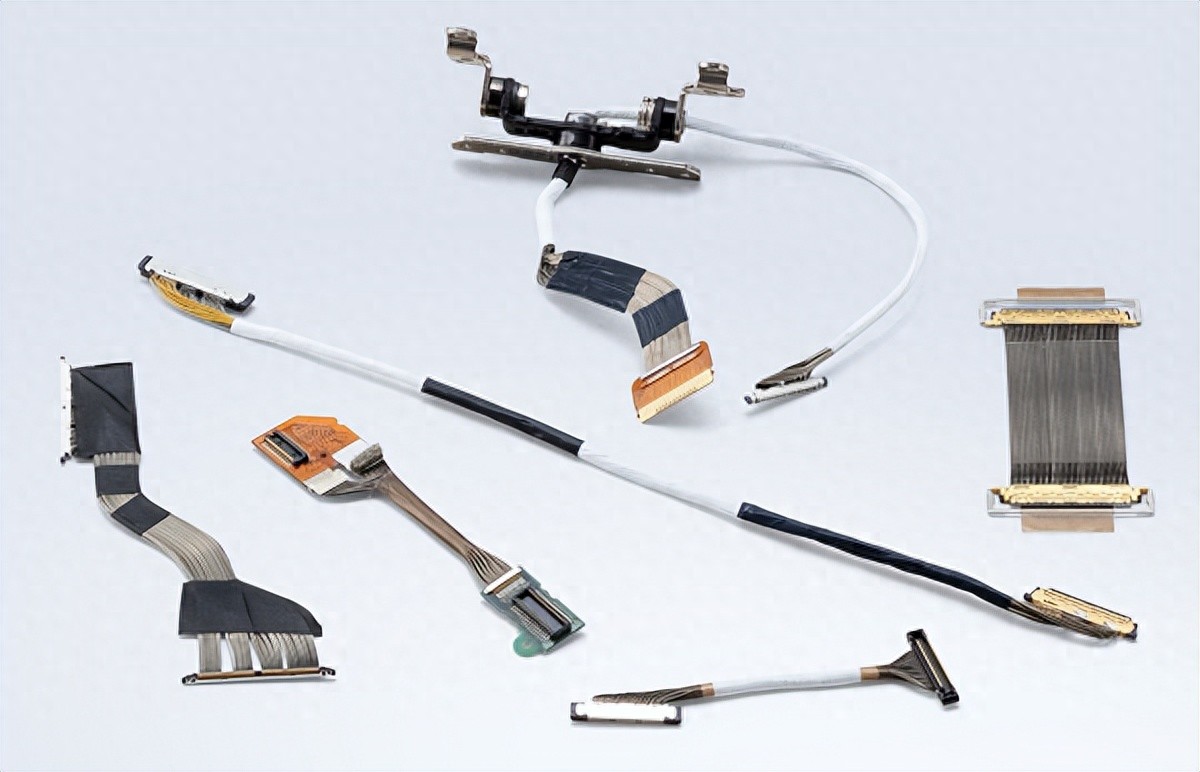
Precise control of structural parameters
Very thin coaxial cables are usually composed of a central conductor, an insulating layer, and an outer conductor (shield). By strictly controlling the spacing between conductors and the dielectric constant of the insulating material, the target impedance can be precisely set at the design stage, thereby reducing signal reflection and improving transmission stability.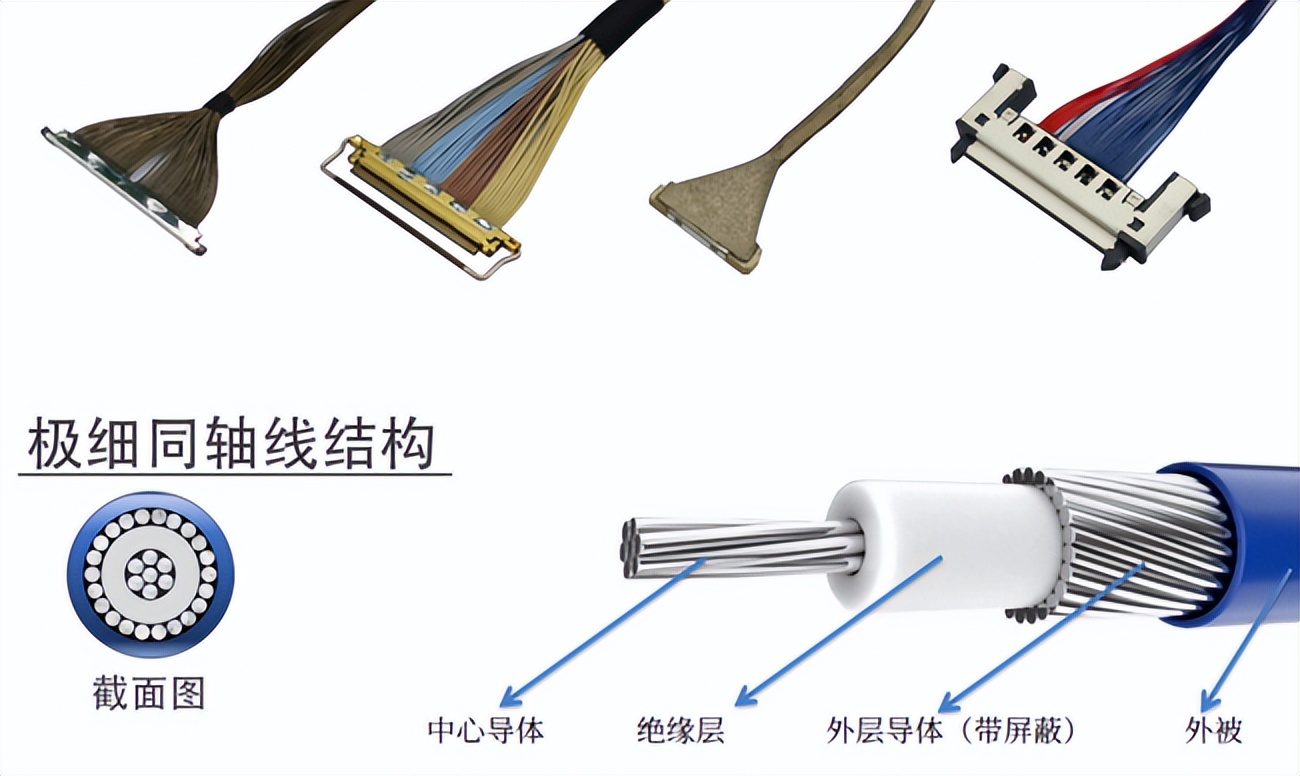
Part 2: Material Selection and Electrical Consistency
Materials with stable dielectric constants (such as FEP, PFA) can maintain consistent characteristic impedance in high-frequency environments. At the same time, high-quality shielding layer materials can effectively suppress external electromagnetic interference, maintain the purity of the signal path, and prevent crosstalk and attenuation.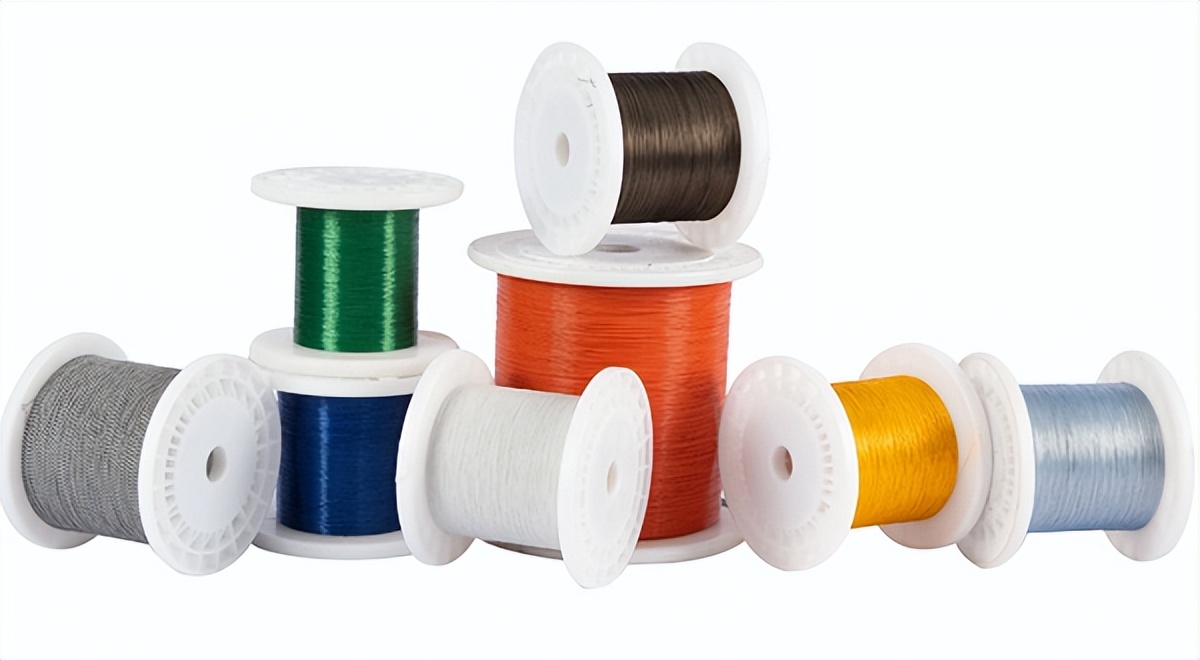
3. Antijam Design and EMI Control
The coaxial structure inherently possesses shielding advantages, which can reduce EMI (electromagnetic interference) and EMS (electromagnetic sensitivity). If combined with multi-layer shielding or protective design of a metallic shell, it can further enhance the anti-interference capability, ensuring the purity and stability of the signal path under high-frequency transmission.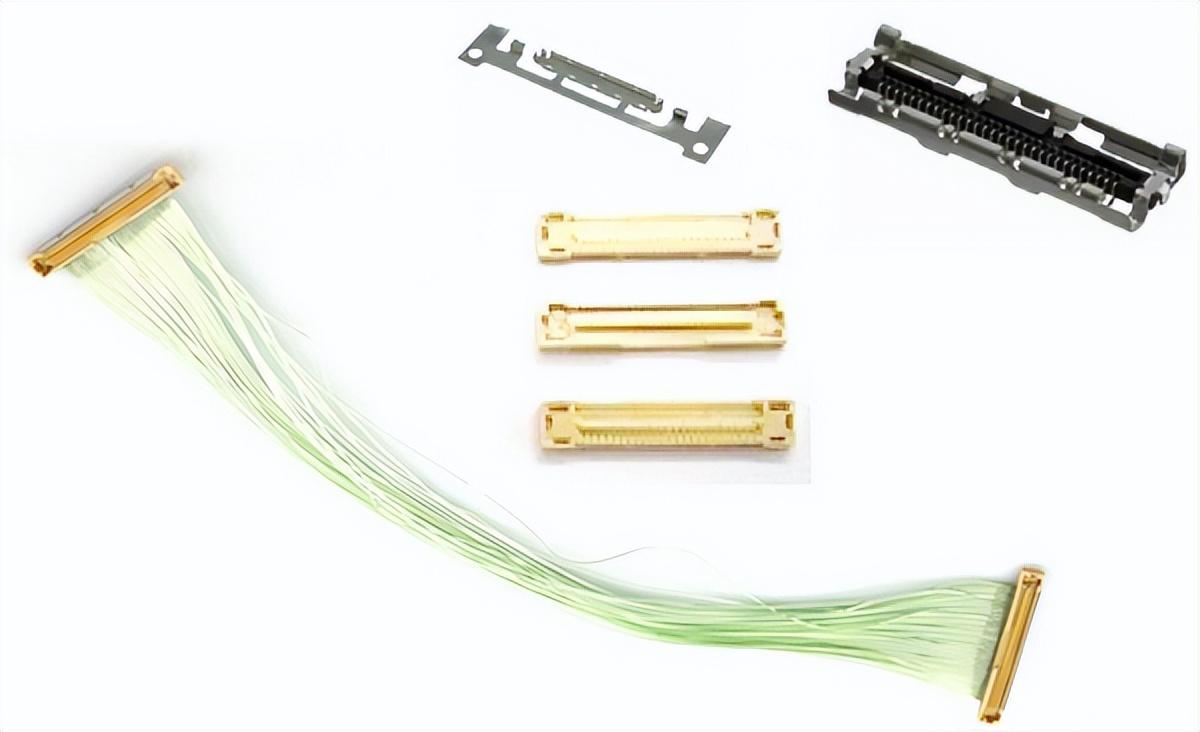
Four, impedance matching in the transition area
If there is a structural discontinuity between cables and connectors, reflection points will be formed. By reasonably designing the grounding layer or transition structure of the接头, the electromagnetic field can be smoothly transitioned at the interface, achieving a dual match of geometric and electrical characteristics, thus effectively reducing insertion loss.
Fifth, precise detection and impedance verification
In the design and production phase, network analyzers or TDR (Time Domain Reflectometer) can be used to verify characteristic impedance. By measuring indicators such as return loss and insertion loss, ensure that each cable meets high-speed transmission requirements.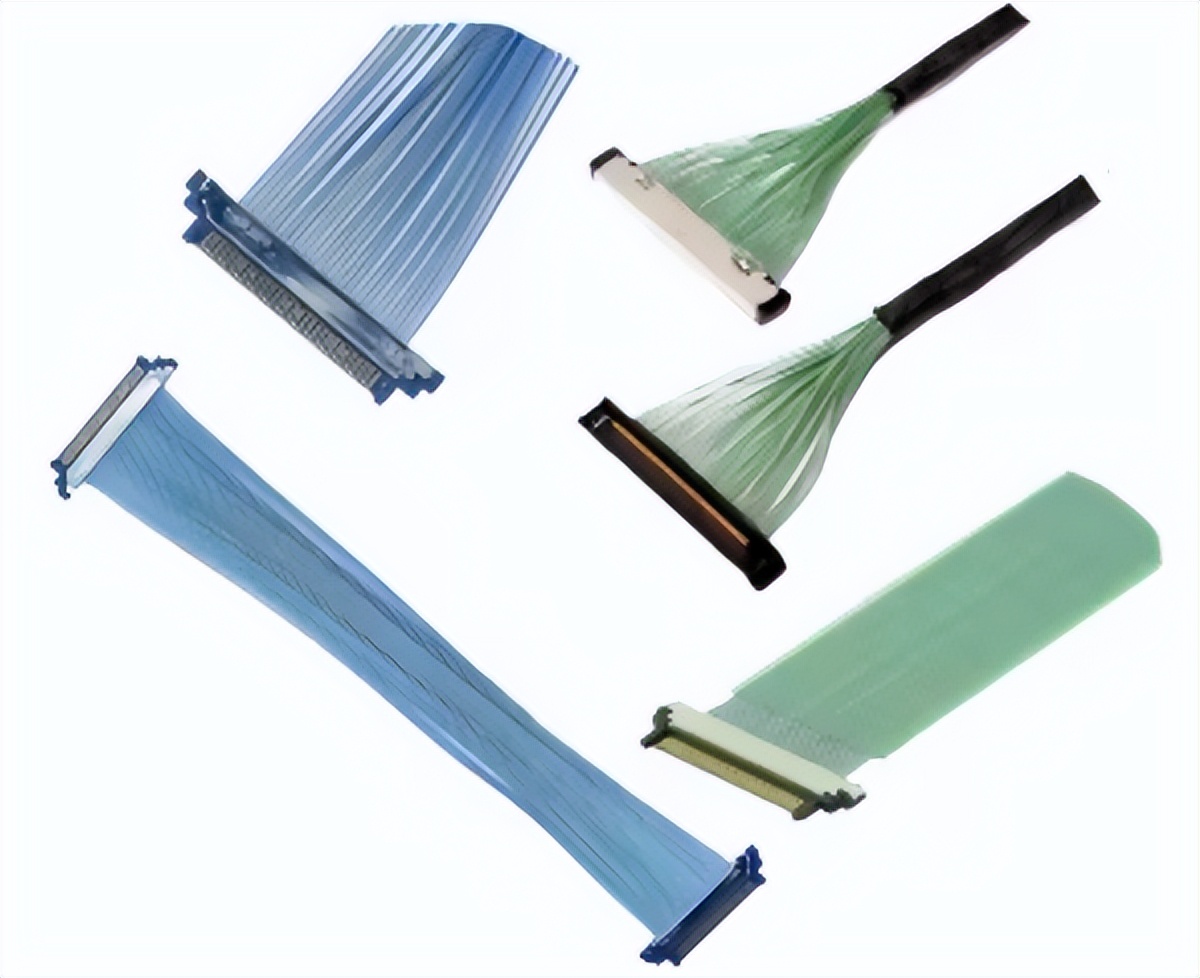
In order to achieve stable transmission of high-frequency signals, it is necessary to coordinate control from multiple aspects including structural geometry, material characteristics, shielding design, connection optimization, and precise detection. Only by accurately controlling the characteristic impedance can the extremely thin coaxial cable bundles perform at their maximum performance in high-speed applications.
I amSuzhou Huichengyuan Electronics, For many years focused on the research and development and customization of high-speed signal cable harnesses and extremely fine coaxial cable harnesses, committed to providing customers with stable and reliable high-speed interconnection solutions. For more information or customization of related products, please contact:Manager Yin 18913280527 (WeChat same number)。
“Without the consent or authorization of this site, no one shall reproduce, reprint, distribute, cite, change, broadcast or publish the content in whole or in part in any form, nor shall there be any other violation of the copyright of this site.