


Categorization:Harness Component
With the rapid development of ultra-high-definition image technology, 8K cameras are gradually entering the fields of professional film and television production, medical image systems, and high-end security monitoring.
Compared to 4K systems, 8K imposes more stringent requirements on signal transmission—it not only needs to multiply the data bandwidth but also needs to maintain excellent signal integrity and anti-interference ability under high-speed transmission.
In this system, the extremely fine coaxial cable has become an indispensable key component of 8K cameras.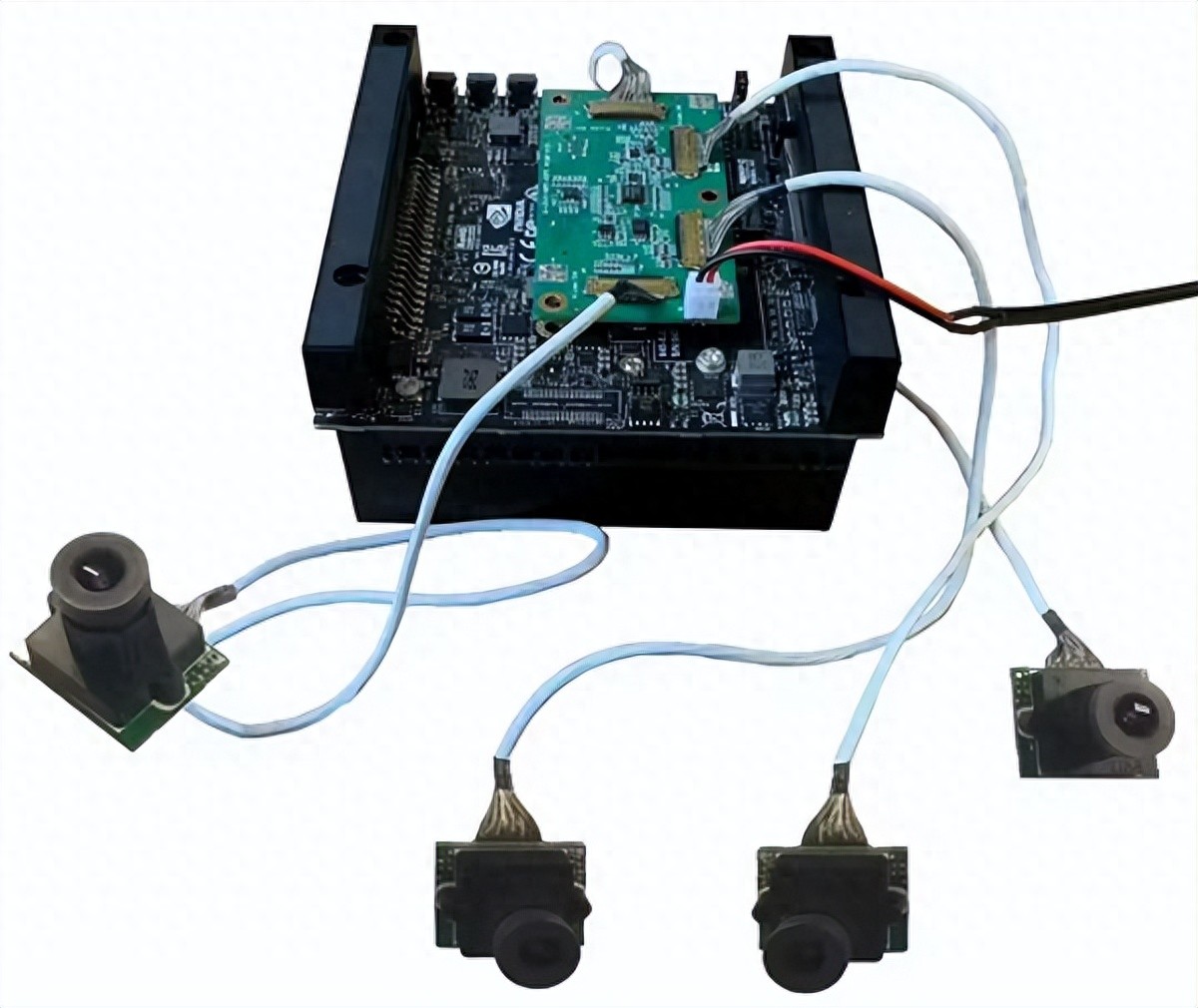
One, high-speed bandwidth and low-loss performance
The data volume per second of an 8K video is extremely large, and ordinary cables often find it difficult to stably support such high transmission speeds, leading to delays, frame loss, or image noise.
Extremely fine coaxial cables, through precise impedance control and efficient shielding layer structure, effectively reduce reflection and attenuation in multi-channel parallel signal transmission, ensuring that data can maintain low loss and high stability under high-speed bandwidth.
This is crucial for an 8K camera system that requires real-time output of ultra-high-definition video.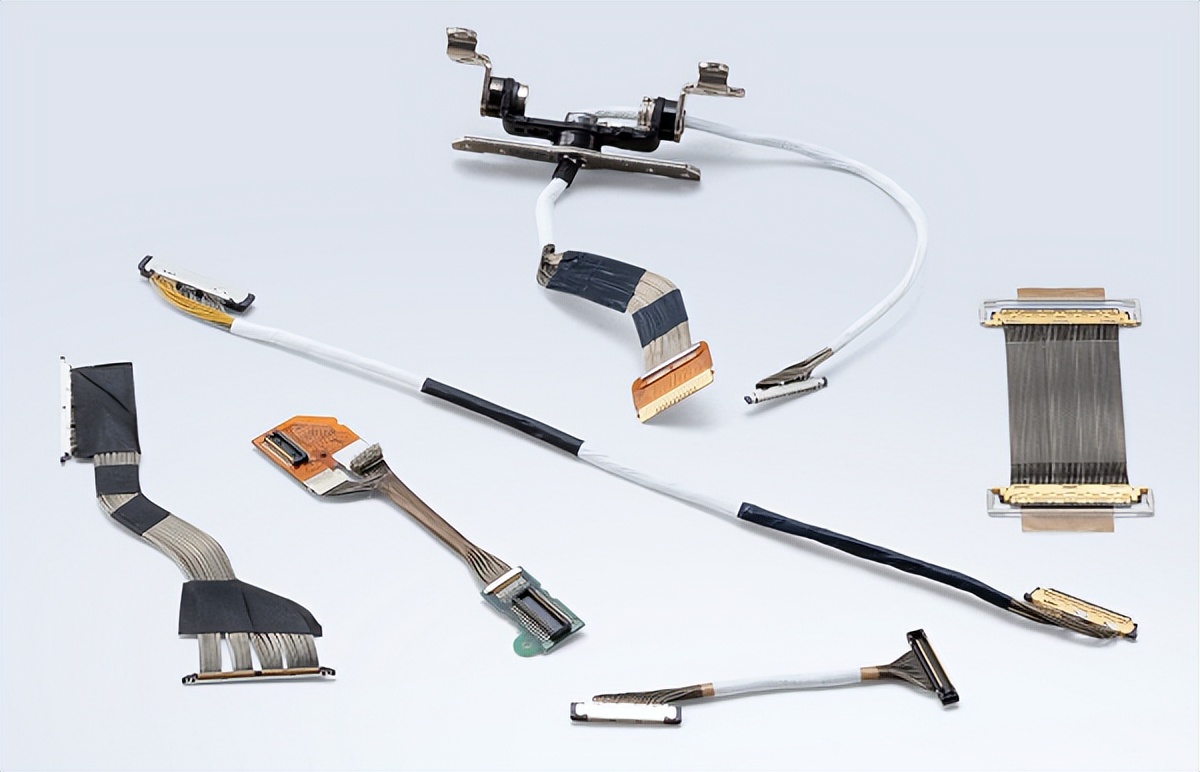
Compact size and flexible wiring
8K camera modules usually have limited space and are often installed in complex structures such as tripods or robotic arms, which require high flexibility of the wiring harness and space utilization.
The diameter of ultra-fine coaxial cables is generally only 0.2mm-0.5mm, which can save wiring space while also having good bending and bend resistance, allowing for easy routing in confined spaces.
This high flexibility characteristic enables it to perform excellently in folding structures, pan-tilt mechanisms, and precision imaging modules.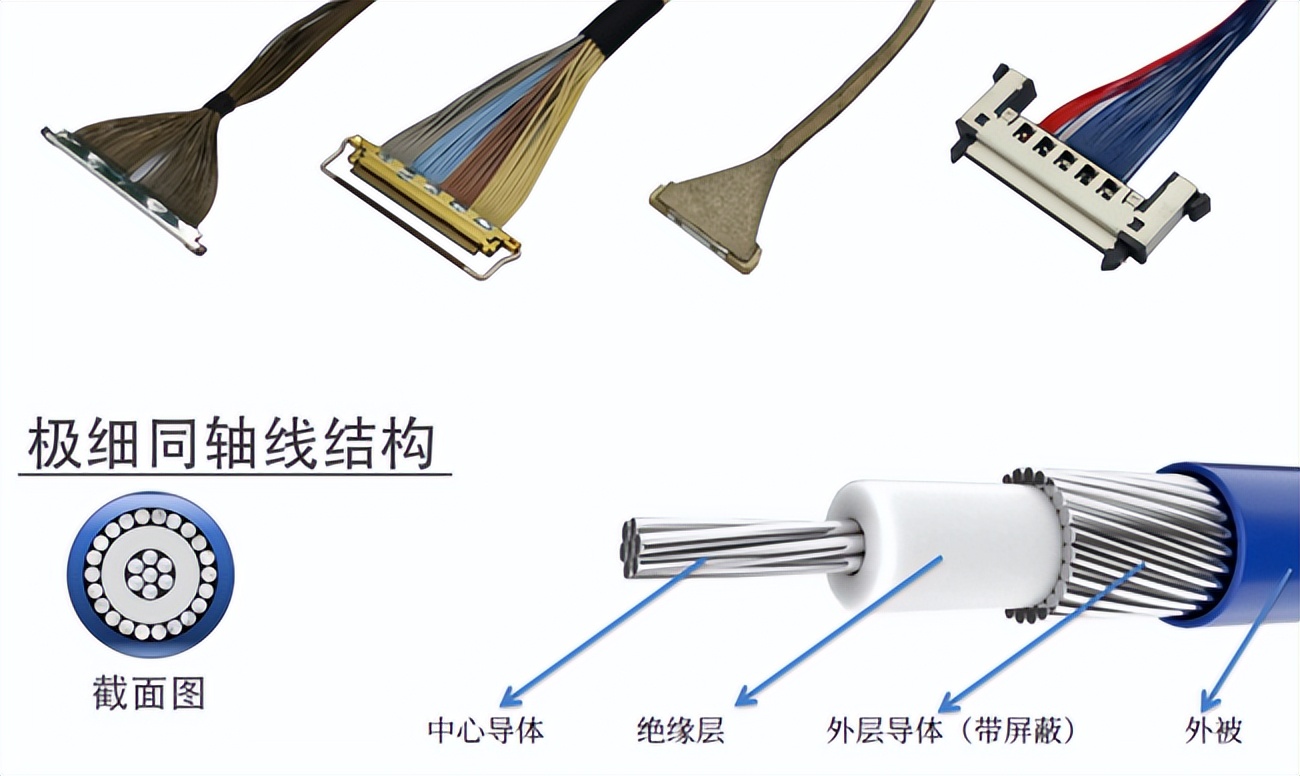 Excellent anti-interference and signal stability
In high-resolution image transmission, electromagnetic interference (EMI) is often the main factor affecting image quality.
Fine coaxial cables usually adopt a multi-layer shielding structure design, which can effectively suppress external noise interference and ensure the phase consistency and amplitude balance of differential signals.
This is particularly crucial for systems highly sensitive to signal quality such as 8K HDR and high frame rate video, which can significantly improve image clarity and color fidelity.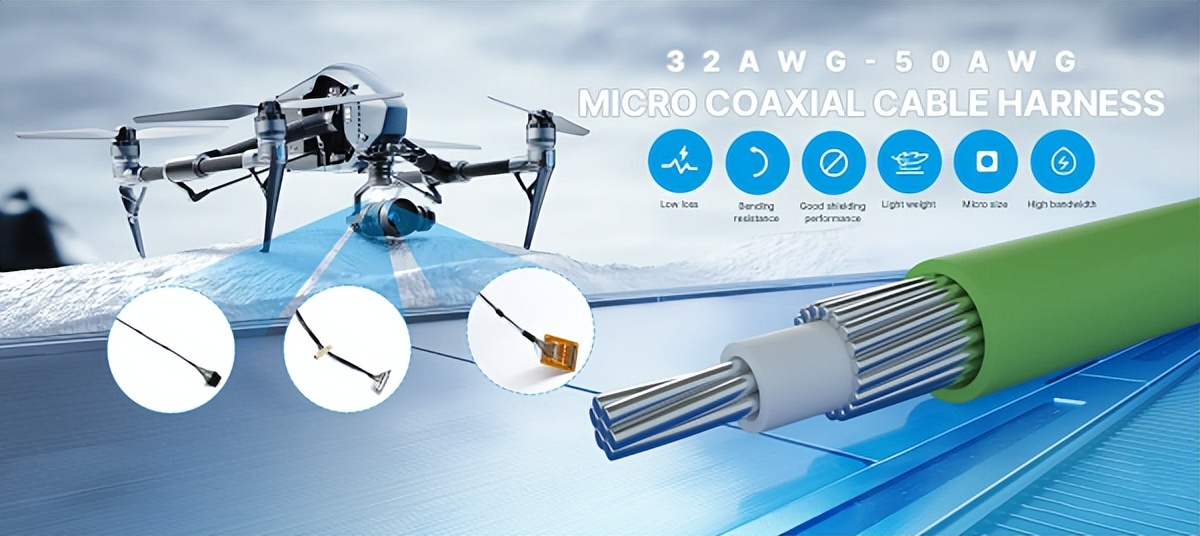
Four, Application Expansion and Development Trends
With the continuous maturity of the 8K imaging ecosystem, the application scope of micro coaxial cable is expanding continuously, and it is widely used in high-precision imaging equipment such as industrial cameras, vehicle-mounted imaging systems, AR/VR devices, and medical endoscopes.
In the future, with the further development of high-speed interface technologies such as MIPI C-PHY and D-PHY, ultra-thin coaxial cables will deeply integrate with them, providing stable and reliable transmission support for image systems with higher resolution and frame rates.
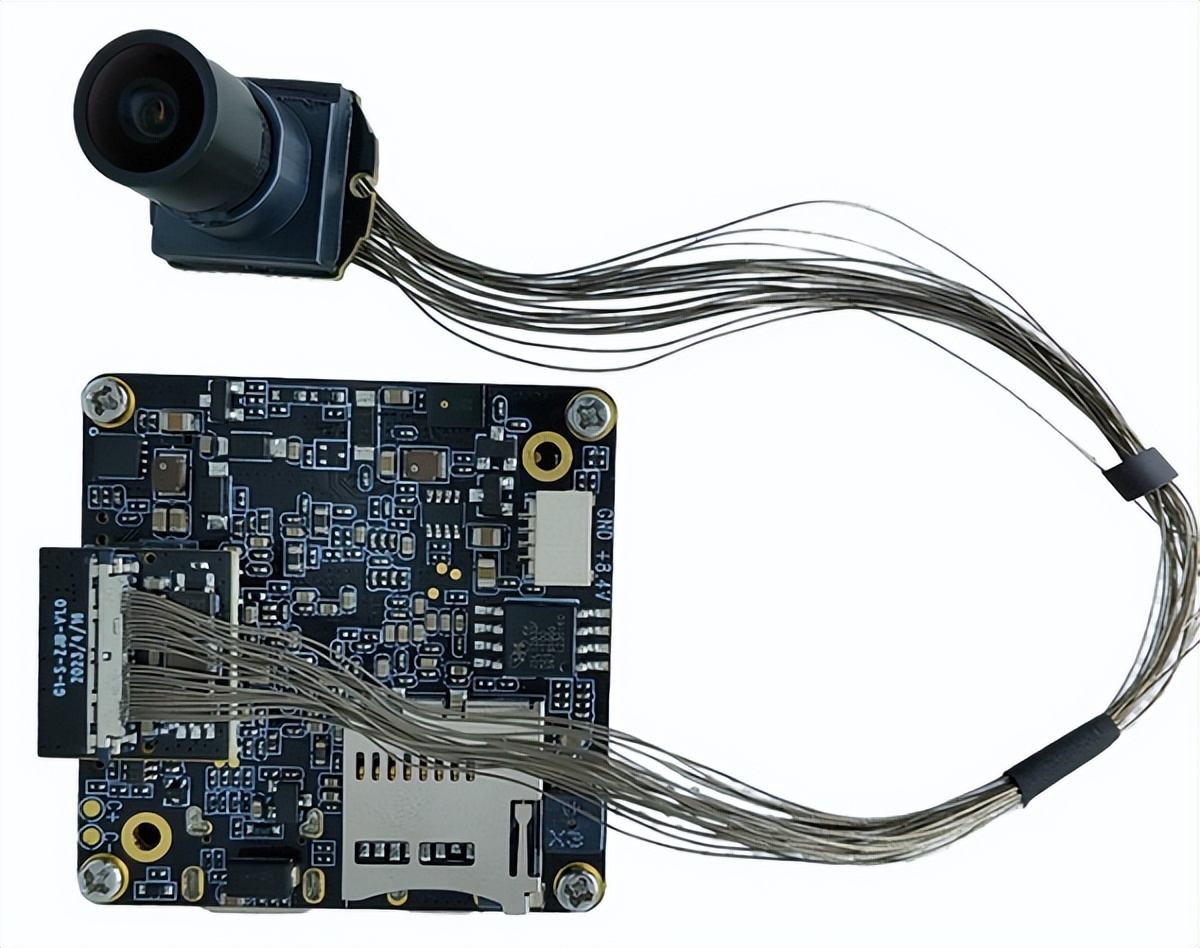
In 8K camera systems, the extremely fine coaxial cable束, with its high bandwidth, low loss, small size, and excellent anti-interference performance, has become the core component supporting ultra-high-definition image transmission.
As ultra-high-definition video and intelligent visual applications continue to upgrade, the technical status and application value of micro coaxial cable will become more prominent.
I amSuzhou Huichengyuan ElectronicFocusing on the design and customization of high-speed signal cables and ultra-thin coaxial cables, providing customers with stable and reliable high-speed interconnect solutions.
If you have any related needs or want to learn more, please feel free to contact:Manager Yin 18913280527 (WeChat same number)We will provide you with professional support.
“Without the consent or authorization of this site, no one shall reproduce, reprint, distribute, cite, change, broadcast or publish the content in whole or in part in any form, nor shall there be any other violation of the copyright of this site.