


Categorization:Harness Component
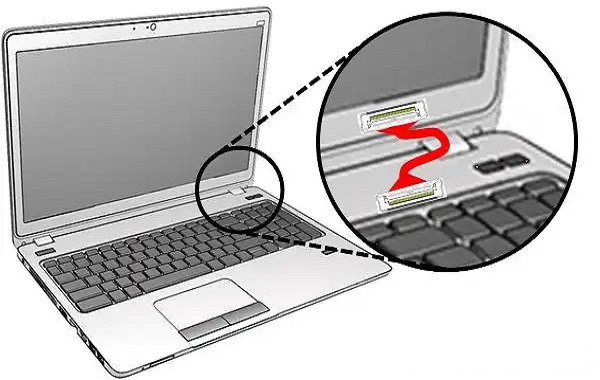
Definition and Characteristics of Ultra-Fine Coaxial Beam
Extremely thin coaxial cable束 differs from ordinary ribbon cables in that it adopts a complete coaxial structure, including the central conductor, insulation layer, shielding layer, and outer sheath. Even with a diameter below 1 millimeter, it can still maintain stable transmission of high-speed signals. Compared with traditional FPC or flat cables, this type of cable束 has more advantages in terms of space utilization, signal integrity, and anti-interference capability, making it very suitable for high-resolution tablet and notebook screens. In addition, it has excellent flexibility and durability, capable of withstanding complex assembly requirements such as bending and rotation, providing reliable protection for thin and light devices.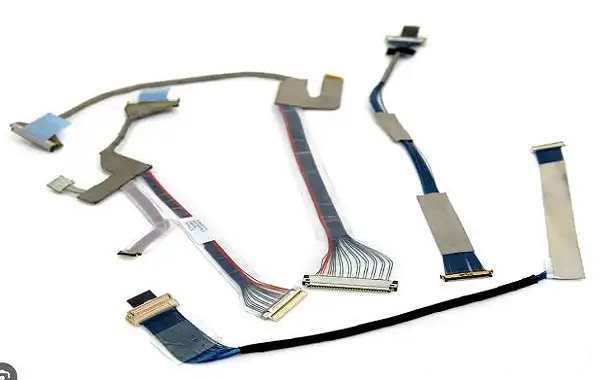
The advantages of ultra-fine coaxial beam
The application value of extremely fine coaxial cable束 in tablet computers is mainly reflected in thin and light design, high-speed signal transmission, and anti-interference ability. With its extremely small diameter and light weight, it is suitable for devices with strict requirements for space and thickness. At the same time, the complete coaxial structure ensures the stable transmission of high-speed, high-frequency signals (such as eDP, MIPI, USB, and other interfaces). The metal shielding layer can effectively isolate electromagnetic interference (EMI), prevent screen flickering and data loss, ensuring a smooth user experience during use.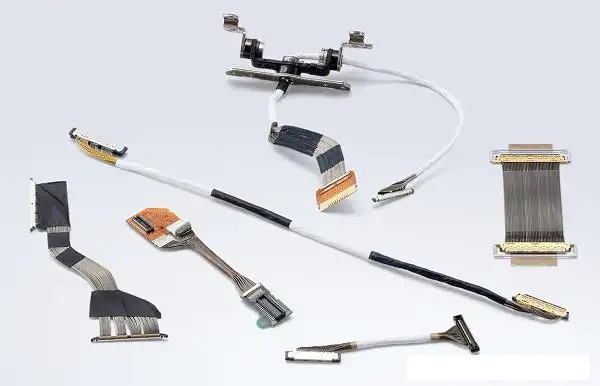
Typical Applications and Future Trends in Tablets
In tablet LCD modules, extremely thin coaxial cable assemblies are mainly used to connect the screen with the main control chip, achieving high-definition image and video signal transmission at high speed, while maintaining stable display effects under slim designs. With the increasing demand for resolution and high-speed transmission in mobile devices, more and more internationally renowned cable and connector manufacturers are launching dedicated solutions for micro coaxial cable assemblies. This indicates that in the future, extremely thin coaxial cable assemblies will be applied more extensively in tablets, laptops, and smartphones.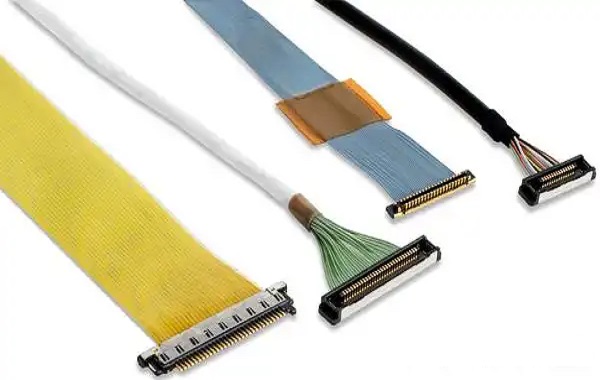
“Without the consent or authorization of this site, no one shall reproduce, reprint, distribute, cite, change, broadcast or publish the content in whole or in part in any form, nor shall there be any other violation of the copyright of this site.