


Categorization:Harness Component
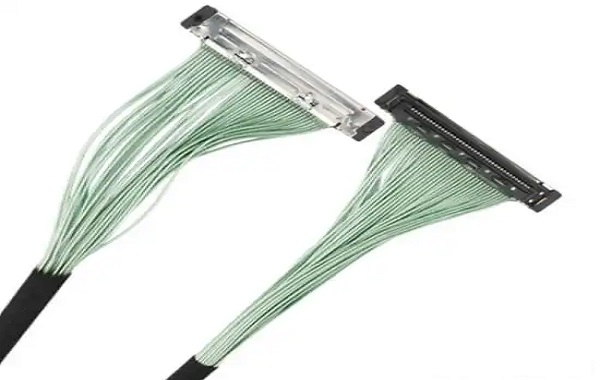
One, the core characteristics of LVX-A40LMSG+
HONDA LVX-A40LMSG+ is specially designed for ultra-thin coaxial cables, featuring a compact structure with a spacing and height of about 0.4mm and 1.2mm respectively. It can support high-density wiring and ultra-thin 42 AWG cables with a diameter of only about 0.3mm. The plug width can be reduced to 2.8mm, making it very suitable for limited spaces in thin and light devices. This series performs excellently in high-speed signal transmission, reducing reflections and losses to improve system transmission stability, and is widely used in high-speed, space-limited scenarios such as notebook cameras, tablets, industrial cameras, and display modules.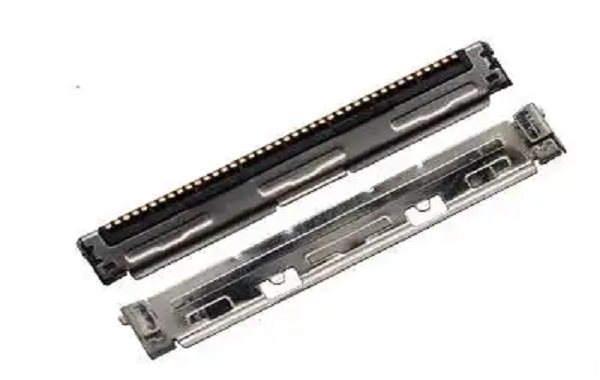
The importance of return loss
Echo loss is an important indicator of signal transmission quality, reflecting the proportion of the signal reflected due to impedance mismatch. The higher the echo loss value (such as -20 dB or lower), the smaller the signal reflection and the better the transmission quality; a lower value may lead to data errors, decreased transmission speed, or even system instability. In extremely thin coaxial cables and the LVX-A40LMSG+ system, even minor impedance deviations can affect echo loss, so accurate evaluation and measurement are crucial.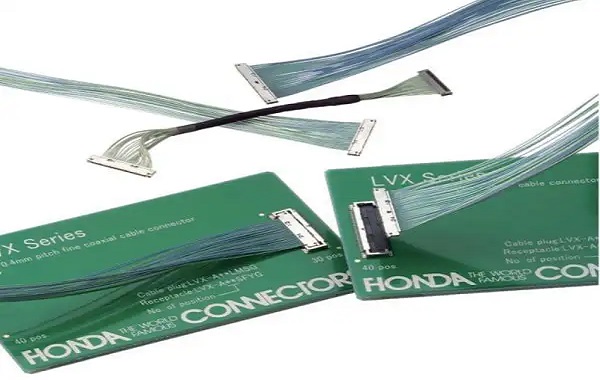
Three, Measurement Methods and Optimization of Return Loss
The most commonly used method to measure return loss is to use a vector network analyzer (VNA), obtaining the return loss curve of the target frequency band by measuring the S₁₁ parameter. Before testing, standard calibrations such as open circuit, short circuit, and load must be performed to ensure data accuracy. For extremely thin coaxial cables, attention must also be paid to the impedance matching of the test fixture, and under conditions, the time domain reflectometer (TDR) can be combined to locate the reflection point. By analyzing the return loss curve, engineers can determine whether the system meets the design requirements and improve performance by optimizing PCB routing, adjusting layout, or replacing more matched cables, thereby enhancing the stability and overall reliability of high-speed signals.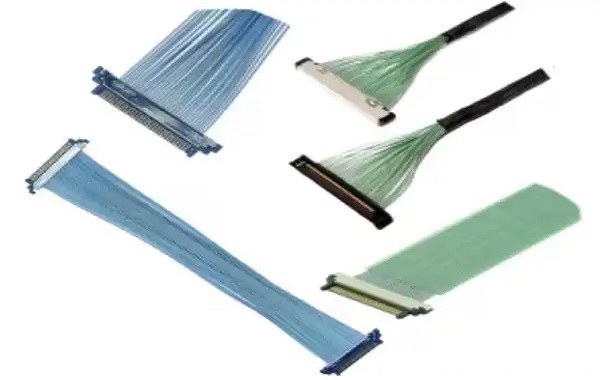
“Without the consent or authorization of this site, no one shall reproduce, reprint, distribute, cite, change, broadcast or publish the content in whole or in part in any form, nor shall there be any other violation of the copyright of this site.