

Categorization:Harness Component
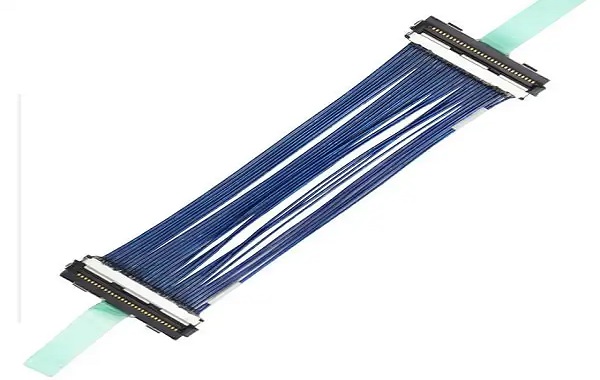
The core characteristics of LVC-D30LPMSG+
HTK LVC series is optimized for ultra-thin coaxial cable束,using a 0.5 mm micro-spacing design to achieve high-density wiring,which is very suitable for the layout of limited spaces inside VR headsets. The low-height compact structure saves installation space while supporting high-speed data transmission,reducing signal offset and improving image synchronization. The 30-pin LVC-D30LPMSG+ version achieves a balance in channel count,size and performance,suitable for high-speed connections between VR control boards and display modules. The pulse thermal welding process reduces thermal damage during assembly,ensuring the reliability of cables and solder joints,while maintaining stable electrical performance to meet the requirements of high-speed signal transmission.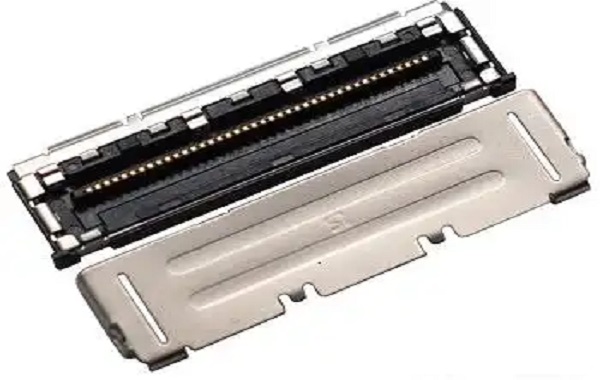
Second, the core requirements of VR systems for extremely thin coaxial beam束
In VR systems, extremely thin coaxial cables not only handle high-speed signal transmission but also must balance signal stability, anti-interference ability, and structural adaptability. The cables need to ensure low insertion loss and low crosstalk to present clear and stable images, while the metallic shielding layer can effectively isolate external interference. Due to the limited internal space of the headset, the cables must be sufficiently thin, easy to route, and maintain flexibility, able to withstand frequent bending during wearing without breaking. In addition, the reliability of the installation process is also very critical, ensuring consistency in mass production and avoiding issues such as false soldering or desoldering.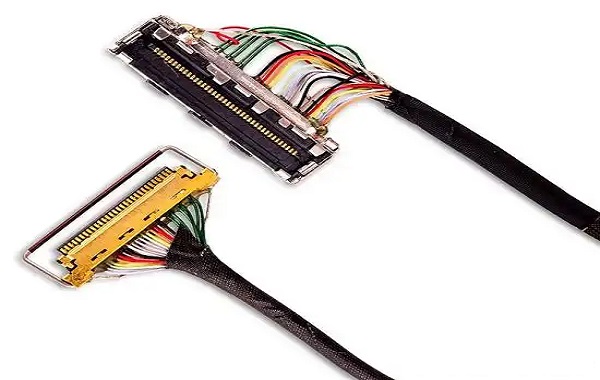
Section 3: Application Advantages of LVC-D30LPMSG+ in VR Systems
The application of LVC-D30LPMSG+ in VR systems can effectively meet the demand for multi-channel signal transmission, simplify the internal wiring structure, optimize the space layout, and save the vertical space inside the headset. Combined with the low-loss characteristics of extremely thin coaxial cables, it can significantly reduce latency and image jitter while maintaining signal integrity. The pulse heat welding process reduces welding stress, providing additional protection for cables and connections, and enhancing the reliability for long-term use. By selecting the appropriate number of pins, low-height micro-pitch design, low-loss wire materials, and bend-resistant processes, engineers can achieve high-performance and high-reliability high-speed interconnection solutions in VR systems.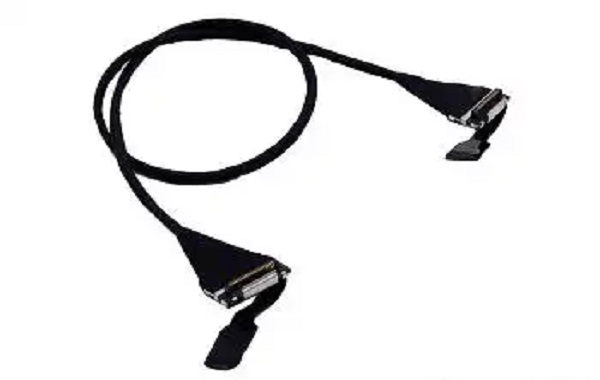
“Without the consent or authorization of this site, no one shall reproduce, reprint, distribute, cite, change, broadcast or publish the content in whole or in part in any form, nor shall there be any other violation of the copyright of this site.