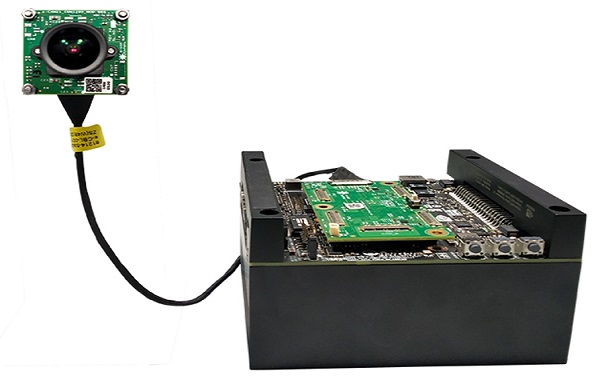
In high-speed image acquisition modules, EMI (Electromagnetic Interference) has always been a key factor affecting system stability. With the increasing demands for 4K/8K resolution, high frame rates, and multi-channel synchronization, data rates have generally reached above several Gbps. Any minor interference can lead to image noise, link jitter, and even data interruption. In the interconnection process between the module and the mainboard, the structural characteristics of the cable directly determine the anti-interference capability of high-speed transmission. Micro coaxial cables, with their excellent shielding performance, controllable impedance, and high-speed bandwidth capabilities, have become one of the mainstream solutions for high-speed image systems.
The core advantages of ultra-fine coaxial cables in high-speed image EMI performance
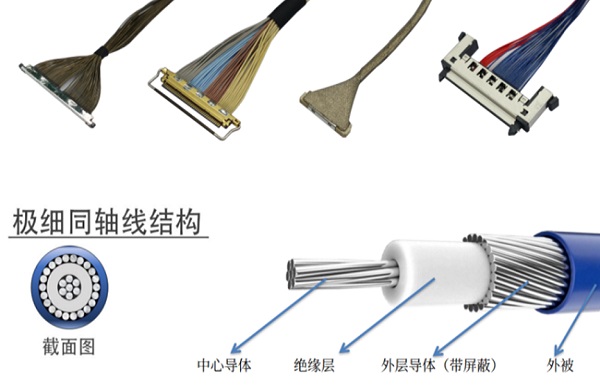
The extremely thin coaxial cable consists of a central conductor, insulating medium, metallic shielding layer, and outer sheath, and has better electromagnetic performance compared to traditional flexible printed circuit boards (FPC).
Each signal line has an independent shielding layer, which can effectively reduce external interference coupling and signal radiation to the outside.
Characteristics impedance is easy to control strictly (45Ω/50Ω, etc.), reducing reflections and distortions in high-speed transmission
The diameter is only 0.3~0.5mm, which can achieve high-density arrangement while maintaining flexibility, suitable for high-integration image modules and folding structures.
4. With greater bandwidth margin, high-quality cables can support over 10Gbps, providing assurance for high-resolution/high-frame rate image transmission.
These characteristics make the ultra-fine coaxial cable a key component in solving the EMI key issue in high-speed image acquisition.

Two, key selection points of ultra-fine coaxial cables from the perspective of EMI
To ensure stable performance of high-speed image links in environments with strong interference, the following key indicators should be considered for line selection:
Recommend using a double-layer shielding structure with weaving and foil wrapping, with a coverage rate not less than 85%, and ensure that the shielding layer maintains continuous grounding at both the module end and the mainboard end.
Select conductors and medium: rationally choose conductor line diameter, taking into account loss and flexibility; it is recommended to use low-loss materials such as FEP, PTFE, etc. to reduce high-frequency attenuation.
Impedance and Length Control: Match system interface impedance and control the length deviation (skew) between channels to avoid timing issues; excessive cable length will increase loss, so it is best to shorten the path
Connector termination and grounding: Connectors are EMI weak points, high shielding miniaturized connectors (such as high-speed I-PEX series) should be selected, and the shielding shell should be reliably grounded.
5. Wiring and structural layout: Avoid routing cables through high-noise areas; use metal shielding enclosures, ground plane isolation, and absorbent materials as necessary to further reduce radiation.
These selections and structural optimizations will directly determine the anti-interference ability and stability of the final image system.
Three, Application Examples: EMI Challenges in High-Speed Image Systems and the Advantages of Ultra-Fine Coaxial Lines
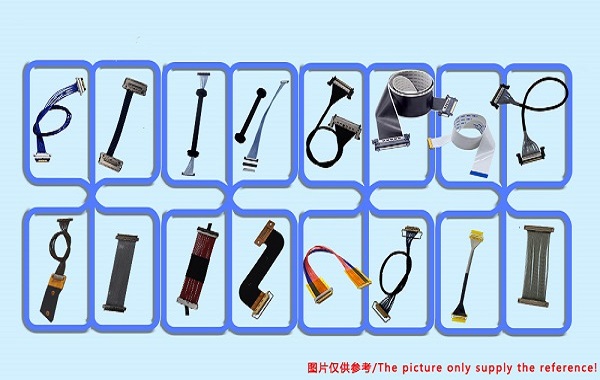
In scenarios such as industrial cameras, intelligent driving cameras, and drone vision modules, image modules are mostly interconnected with the mainboard through MIPI CSI or LVDS interfaces. If a standard FPC is used, it is prone to crosstalk and high-frequency radiation, leading to excessive EMI or abnormal link. By adopting extremely thin coaxial cables, each signal channel has independent shielding, which can significantly reduce external interference coupling, improve eye diagram quality and stability, and enhance the system-level EMC pass rate. Therefore, in high-speed image acquisition equipment, extremely thin coaxial cables have become the mainstream and even the preferred interconnection solution.
High-speed image capture systems have extremely high requirements for EMI control, and ultra-fine coaxial cables, with their independent shielding structure, excellent impedance characteristics, and high bandwidth capability, play a crucial role in high-speed data links. To fully utilize the advantages of the cable assembly, synchronous optimization is required in aspects such as the shielding structure, medium material, termination methods, impedance consistency, and wiring planning. Only by designing the system from a full-link perspective can it ensure that high-speed image signals such as 4K/8K and high frame rates remain clear, stable, and reliable in complex environments.
I am
Suzhou Huichengyuan Electronic Technology Co., Ltd.Long-term focus on the design and customization of high-speed cable harnesses and ultra-fine coaxial cable harnesses, committed to providing customers with high-reliability, high-shielding, and high-consistency high-speed interconnection solutions. For more information, please feel free to contact
Manager Yin: 18913280527 (same as WeChat)。