In the fields of high-speed interconnection such as camera module, display interface, and AI computing module, extremely thin coaxial cables (Micro Coax) have become the mainstream choice for high-speed links such as MIPI, USB4, HDMI, DisplayPort, and SerDes due to their excellent signal integrity, miniaturized structure, and excellent electromagnetic shielding properties. Engineers often encounter a key issue when designing high-speed interfaces: Is it necessary to adopt a "double shielding" structure for high-speed signal transmission?
This article will conduct a systematic analysis from three perspectives: structural differences, application scenarios, and selection recommendations.
Fine coaxial beam structure and shielding differences
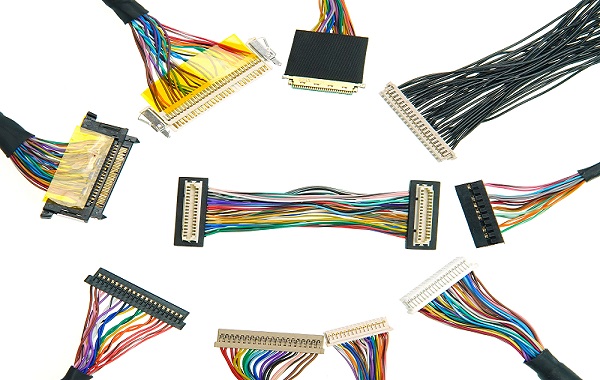
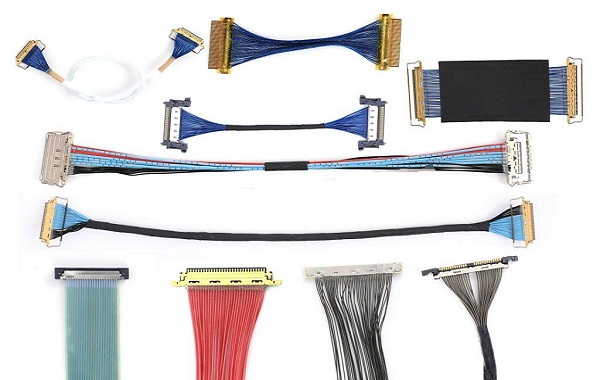
Extremely thin coaxial cables are typically composed of a central conductor, an insulating layer, a metallic shielding layer, and an outer sheath. Their diameter is generally only 0.2mm to 0.5mm, and they possess characteristics such as precise impedance, low loss, low crosstalk, and excellent flexibility.
Among them, the shielding structure is one of the key factors affecting performance.
1. Single shielding: uses a layer of metal woven mesh or metal foil. The advantages are good flexibility, light weight, and low cost, which can meet the needs of most medium and high-speed signals.
Double shielding: Usually a composite structure of "inner metal foil + outer metal braid", which is stronger in EMI protection, suitable for complex and high-interference environments, but slightly affects flexibility and cost.
What scenarios require the use of double shielding?
Although high-speed signal links do not always require dual shielding, the following situations are more recommended to adopt a dual shielding structure to ensure signal integrity and system stability:
The signal bandwidth is relatively high (>10Gbps), and it is sensitive to common-mode noise.
There are strong interference sources around, such as power supplies, high currents, RF modules, and antennas.
The cable is long, or multiple micro-coaxial parallel wiring is dense.
System-level EMC requirements are stringent, such as for in-vehicle camera systems, drones, medical electronics, and so on.
5. RF links or high-sensitivity analog signal channels have higher requirements for noise margin.
Three, single shielding is still the mainstream choice, with the focus on design quality.
In most applications of consumer electronics, mobile terminals, display modules, etc., high-quality single shielded micro coaxial cables can ensure reliable high-speed transmission.
The key factors affecting performance are often the process, rather than the number of shielding layers, including:
High-density weaving or high-quality silver foil ensures shielding integrity.
Rationally design the grounding path to reduce common-mode return interference.
Stable 360° shielding shell at the connector end to avoid shielding break points.
Therefore, it is better to prioritize the completeness of impedance control, shielding continuity, and grounding treatment rather than choosing double shielding alone.
The high-speed signal link does not necessarily require the use of double-shielded ultra-fine coaxial cable bundles. Whether to use double shielding should be judged comprehensively based on bandwidth, interference environment, cable length, and system EMC requirements.
In most medium to medium-high speed applications, well-structured single-shielded cable harnesses can operate stably; however, in scenarios with strong interference, high speed, or high reliability, double shielding can provide more robust anti-interference capability. For engineers, correct shielding design, complete grounding, and impedance control are often decisive factors affecting signal quality.
I am
Suzhou Huichengyuan Electronic Technology Co., Ltd.Long-term focus on the design and customization of high-speed signal cable harnesses and ultra-fine coaxial cable harnesses. If you have any needs or wish to have further communication, please contact Manager Yin:
18913280527 (WeChat number)。