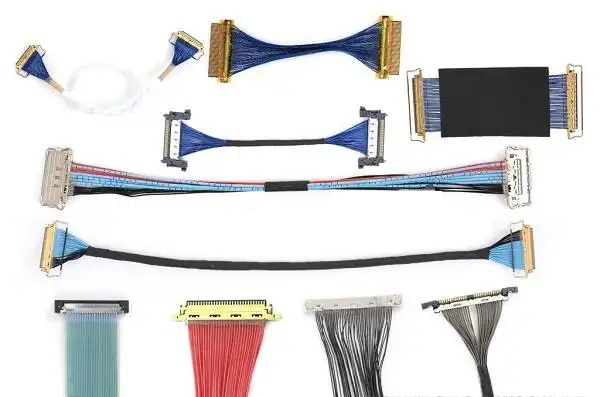
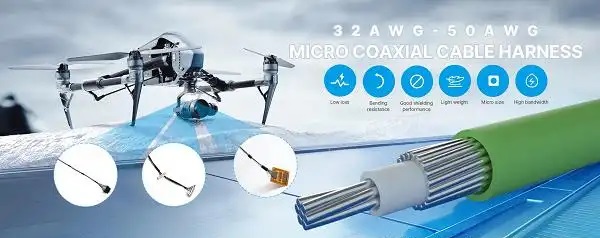
With the continuous development of high-definition monitors, laptops, in-car equipment, and camera module products towards thinness and speed, micro coaxial cable (micro coaxial cable) has gradually become an ideal choice for achieving high-speed signal transmission. However, in actual applications, when multiple micro coaxial cables are laid in parallel, issues such as crosstalk, radiation interference (EMI), and reduced signal integrity often arise. This article will introduce key techniques for EMC optimization in such applications, helping products pass electromagnetic compatibility tests smoothly.
What is EMC (Electromagnetic Compatibility)?
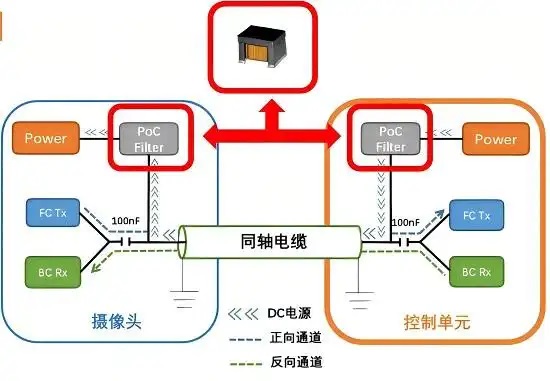
In electronic design, EMC (Electromagnetic Compatibility) refers to the ability of equipment to operate normally in a specific electromagnetic environment without causing excessive interference to other equipment.
EMC mainly includes two aspects:
• EMI (Electromagnetic Interference): Electromagnetic noise emitted by the device itself, which may interfere with the surrounding electronic systems.
• EMS (Electromagnetic Susceptibility, Electromagnetic Interference Resistance): The ability of equipment to resist external electromagnetic interference.
Common EMC issues with parallel wiring of multiple Micro Coaxial Cables
When multiple micro-coaxial cables are arranged in parallel, the following electromagnetic compatibility risks may occur:
Interference (Crosstalk)
Common mode noise superposition
Overall radiation exceeds the standard.
Signal reflection leads to intersymbol interference (ISI).
Especially in high-speed signal transmission such as MIPI D-PHY, C-PHY, USB 3.0, PCIe, EMC issues are more prominent.
Section 3: Comprehensive Analysis of EMC Techniques
Maintain reasonable spacing
When laying out multiple micro coaxial cables, it is recommended to maintain a spacing of at least twice the cable diameter to reduce electromagnetic coupling. If space is limited, you can adopt a zigzag layout or layered routing to lower the risk of crosstalk.
Strengthen overall shielding of the wire harness
Increase the overall woven shielding layer for parallel cables, and ensure reliable connection with the equipment shell or grounding plane, forming a 360° all-around shielding structure. This measure can effectively suppress electromagnetic leakage and significantly reduce radiation interference.
Optimize grounding design
The shielding layer of a micro coaxial cable should adopt a single-point grounding or low-impedance multi-point grounding method to avoid the generation of common-mode interference due to ground loops.
Rationally arrange the signal line sequence
Follow the following strategies when wiring:
High-frequency sensitive signals (such as MIPI Clock) should be routed separately.
High-frequency lines and low-frequency lines are arranged in separate zones.
Avoid crossings, twists, and excessively long parallel paths.
⑤ Use EMC absorbing materials
For areas with strong radiation or sensitive testing, it is possible to cover the outer layer with an EMI absorber to achieve local electromagnetic leakage suppression and improve the pass rate of EMC testing.
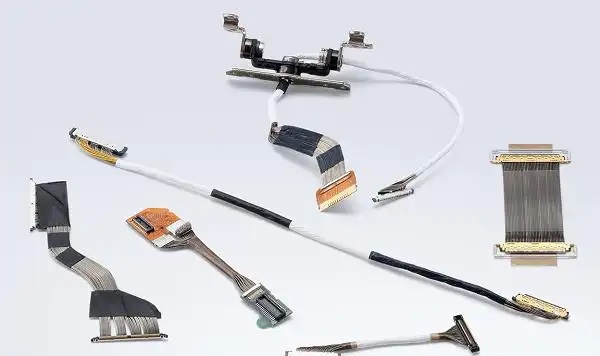
In the parallel application of multiple micro coaxial cables, EMC design is crucial. By maintaining a reasonable spacing, optimizing the shielding structure, scientifically grounding, reasonably arranging the wiring sequence, and辅助 with absorbent materials, it can effectively reduce crosstalk and radiation risks, ensuring the stability and reliability of the product in high-speed transmission environments.
We have been focusing on the design and customization of high-speed signal cable harnesses and ultra-fine coaxial cable harnesses for a long time, committed to providing stable and reliable high-speed interconnect solutions. If you have any related needs or want to learn more, please contact: Manager Yin.
18913280527 (WeChat same number)。