


Categorization:Harness Component
In the fields of high-speed data transmission and high-definition video applications, signal integrity has always been the core issue of greatest concern for engineers. Particularly when it involves high-speed interfaces such as HDMI 2.1, DisplayPort 2.0, MIPI D-PHY/C-PHY, the frequency often reaches several GHz or even higher. At this point, how to ensure the stable transmission of differential signals becomes a key consideration in system design.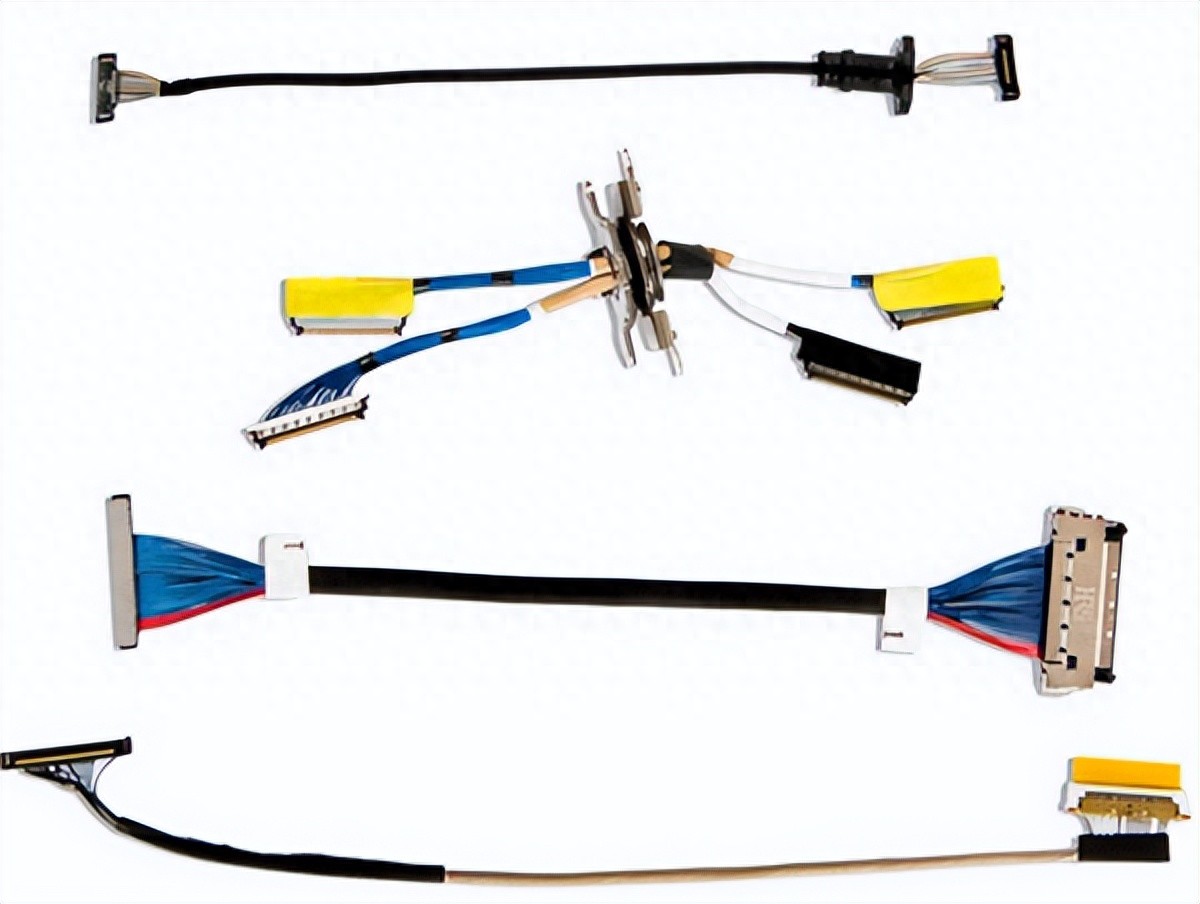
One, structural characteristics of extremely fine coaxial beam
The extremely fine coaxial cable (Micro Coaxial Cable) is composed of the inner conductor, insulating layer, braid shield layer, and outer sheath. Compared with traditional twisted pair cables, its coaxial structure has a better shielding effect, which can effectively resist external electromagnetic interference (EMI), thus ensuring that the signal maintains high stability and low error rate in high-frequency environments.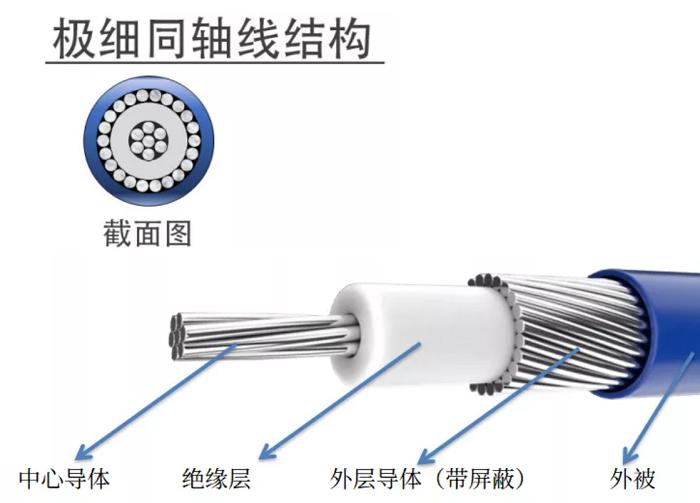
High-frequency challenges of differential signals
Differential signal transmission is known for its high resistance to interference, but as the rate increases to several Gbps and even higher, issues such as signal attenuation, crosstalk, and impedance discontinuity become more prominent. If the impedance control of the cable is not precise, it will lead to closed eye diagrams, increased jitter, and in severe cases, affect the overall system performance and display quality.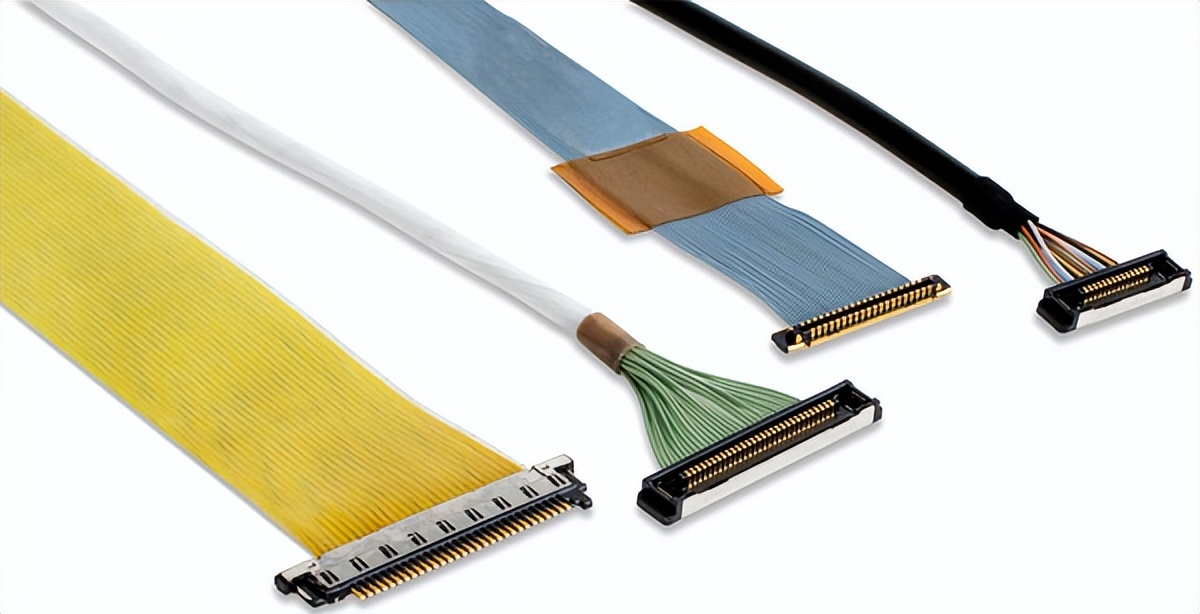
III. Advantages of Micro Coax in High-Frequency Differential Transmission
Excellent impedance consistency:
Extremely thin coaxial cables can be precisely controlled in impedance during the manufacturing process, perfectly matching the requirements of high-speed interface standards.
Outstanding low loss characteristics:
The coaxial structure enables lower insertion loss and return loss in high-frequency transmission, effectively maintaining signal integrity.
Support high-density wiring:
Micro Coax has an extremely small diameter, enabling a compact layout of multi-channel differential signals in limited spaces, which is very suitable for miniaturized equipment design.
Flexible and durable, with stable performance:
Extremely thin coaxial cables can adapt to complex routing environments, and still maintain excellent electrical performance and mechanical reliability even under repeated bending.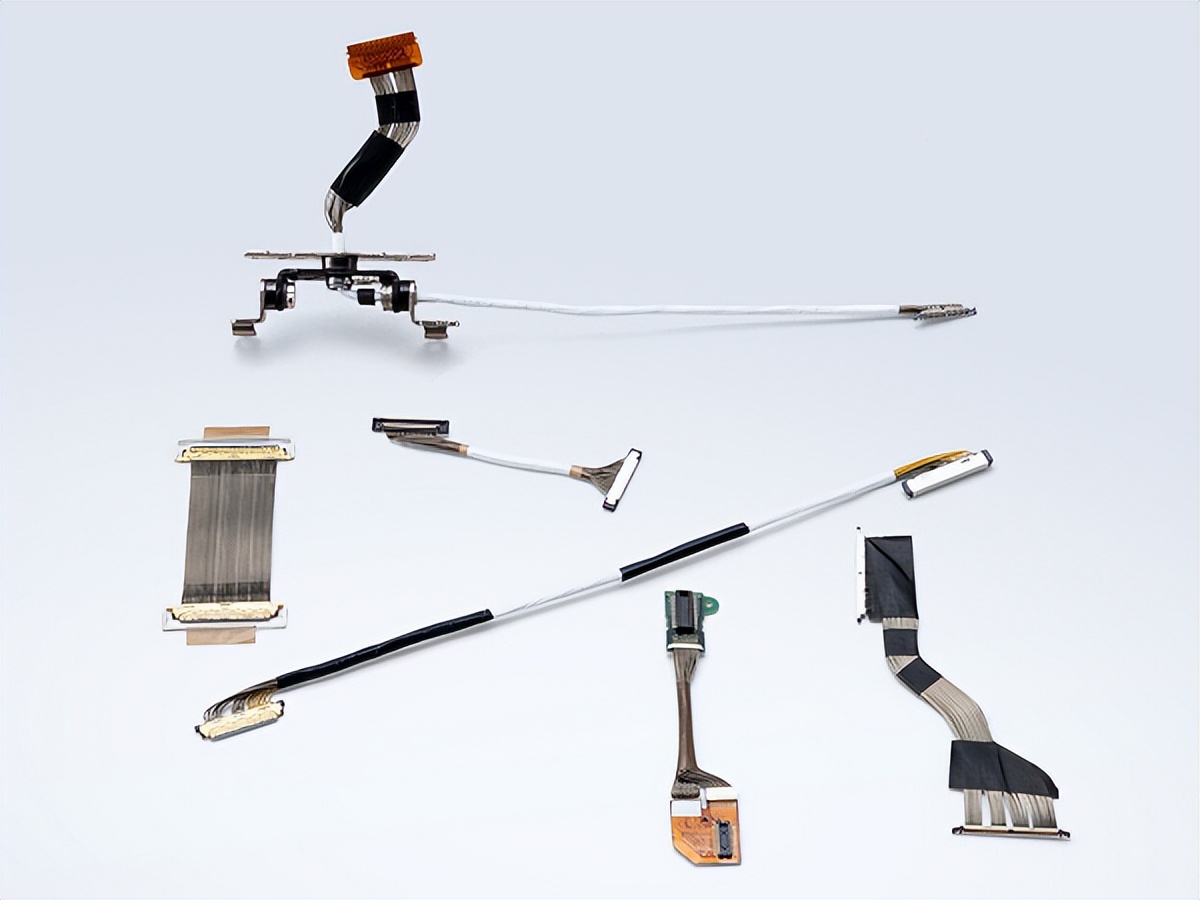
Four, typical application scenarios
In notebook computers, tablets, smartphones, and other consumer electronic devices, Micro Coax has become the mainstream choice for display module connections.
In addition, in high-bandwidth differential signal transmission fields such as medical imaging, industrial cameras, and autonomous driving sensors, extremely thin coaxial cables also show excellent performance and stability.
With excellent shielding performance, precise impedance control, and compact structural design, the ultra-thin coaxial cable bundle exhibits unparalleled advantages in high-frequency differential signal transmission. As high-speed interface standards continue to upgrade, Micro Coax will play a crucial role in more precision electronic devices.
I amSuzhou Huichengyuan Electronics, focusing on the research and development, as well as customization, of high-speed signal cables and extremely fine coaxial cables, committed to providing customers with high-reliability high-speed interconnect solutions. If you have any related needs or wish to learn more, please feel free to contactManager Yin: 18913280527 (WeChat same number)。
“Without the consent or authorization of this site, no one shall reproduce, reprint, distribute, cite, change, broadcast or publish the content in whole or in part in any form, nor shall there be any other violation of the copyright of this site.