

Categorization:Harness Component
In fields such as high-speed transmission, medical equipment, industrial cameras, and intelligent terminals, extremely thin coaxial cables (Micro Coaxial Cable) play an irreplaceable role. They are small in size, have excellent shielding performance, and can achieve stable high-speed signal transmission within a limited space. However, in actual use, the insufficient flexibility of the cable assembly often troubles designers—the cable can easily get damaged or fail after repeated bending. How can the flexibility of the extremely thin coaxial cable assembly be improved? The following will analyze from several aspects including material, structure, process, and testing.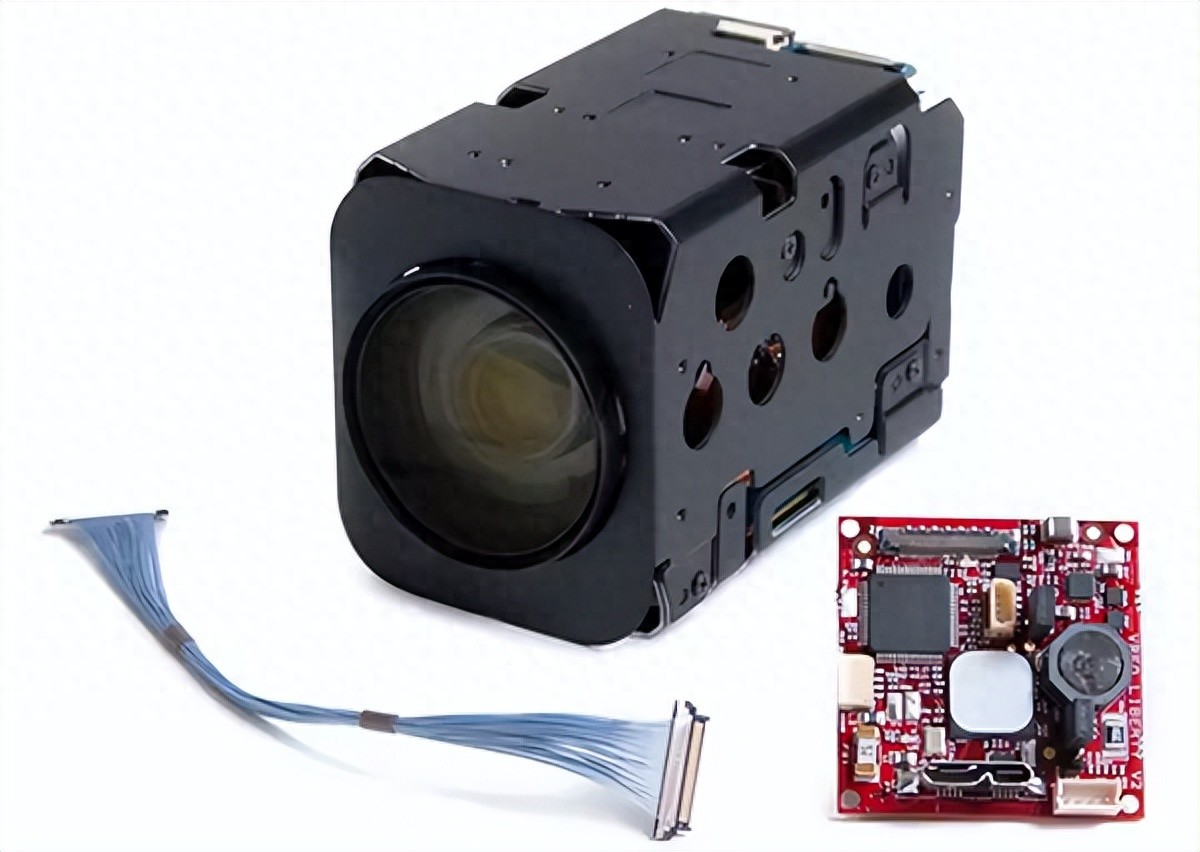
One, the material determines flexibility.
The fundamental source of flexibility comes from material selection. The conductor part usually adopts ultra-fine silver-plated or tin-plated copper wire, which has both good conductivity and bending resistance. The outer insulation material commonly uses polytetrafluoroethylene (PTFE), polyimide (PI) or fluoroethylene propylene (FEP). These high-performance materials are not only soft and durable but also maintain stable dielectric properties under high temperature and high-frequency bending conditions. The combination of high-quality materials lays a solid foundation for the long-term reliable operation of the cable assembly.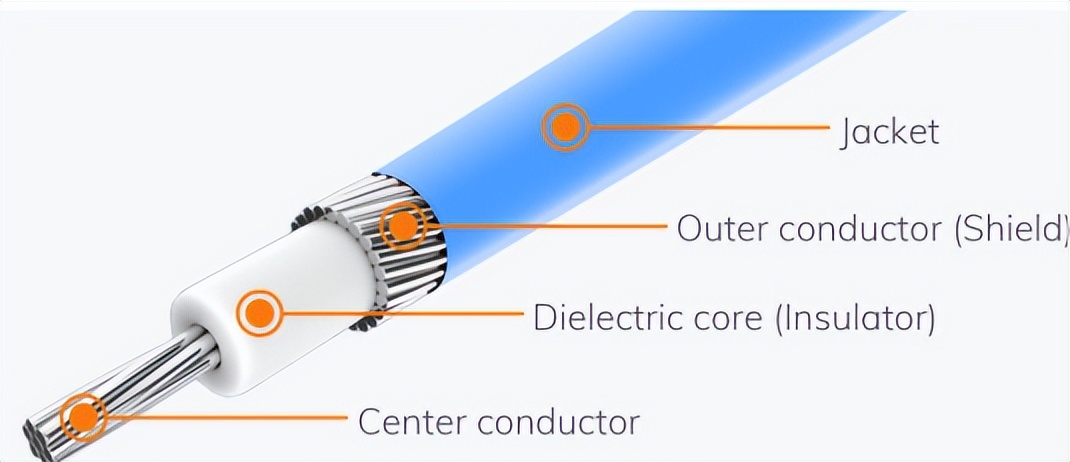
Two, structural optimization is the key.
The flexibility of extremely thin coaxial cables is closely related to the structural design. Conductors made by twisting multiple fine wires can effectively improve the bending life; however, if the weave density of the shielding layer is too high, it will reduce flexibility, so a balance needs to be achieved between interference resistance and flexibility. At the same time, by reasonably controlling the outer diameter, not only can the impedance characteristics be guaranteed, but the overall bendability of the cable assembly can also be further enhanced.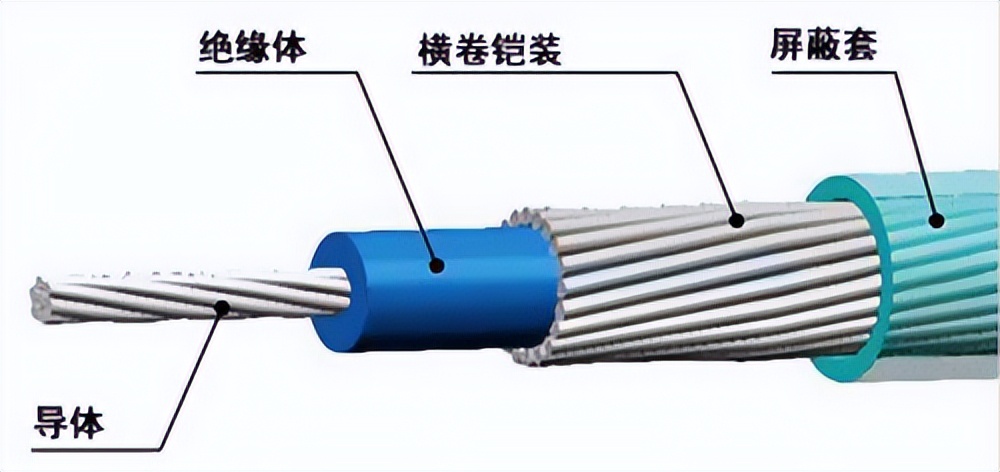
Three, choose "four-layer structure" for greater flexibility.
Compared to the traditional five-layer coaxial structure, the four-layer structure (conductor-insulation shield outer sheath) has achieved a better balance between flexibility and stability. This design significantly improves the flexibility of the cable while maintaining high shielding performance through optimized material thickness and weaving technology. Particularly in narrow spaces or high-frequency bending scenarios, such as camera modules, medical probes, etc., the four-layer micro coaxial cable performs even better.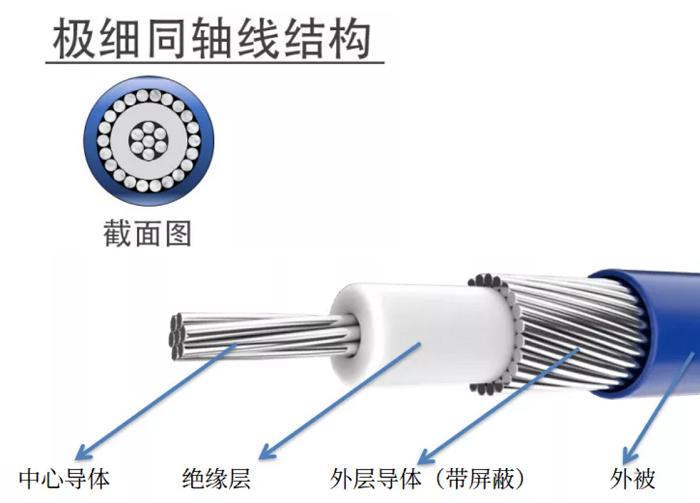
Four, the processing technology is also very important.
Flexibility not only depends on the wire material itself, but also on the processing process, which has an important impact on its performance. Reasonable harness forming methods, flexible sheath design, and the selection of packaging auxiliary materials can effectively reduce concentrated bending stress and prevent local fatigue damage. At the same time, temperature control and crimping accuracy in the process are directly related to the stability of the harness during long-term use.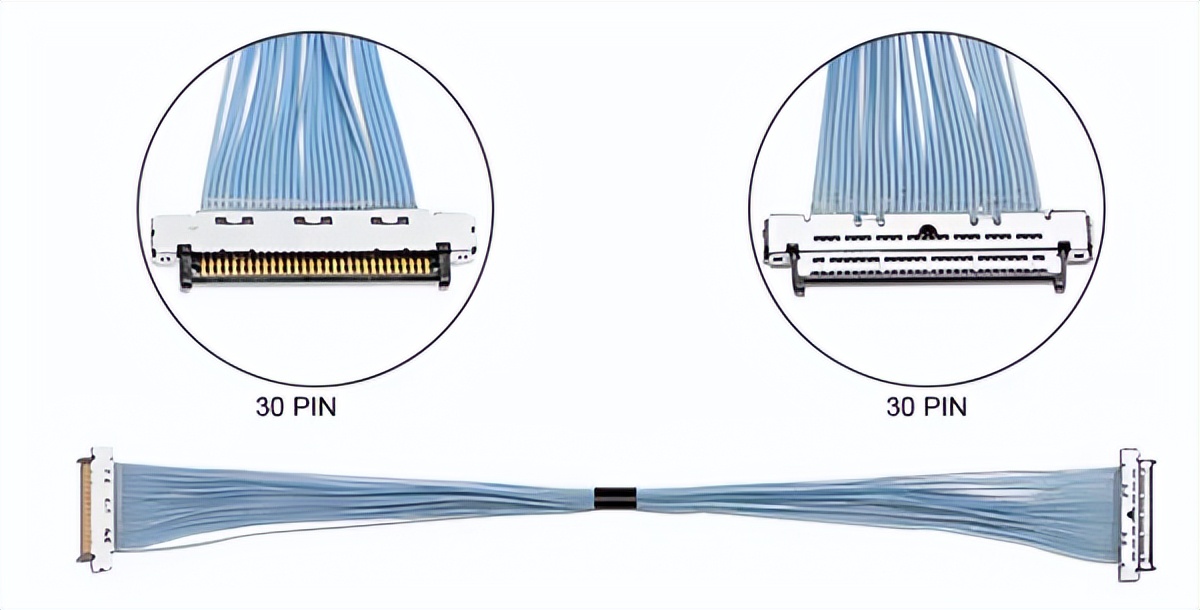
Five, verify the reliability of the verification and testing guarantee
Different application scenarios have different requirements for flexibility. Medical endoscopic equipment requires cables to withstand tens of thousands of extreme bending cycles without damage, while industrial robots are more concerned with vibration resistance and wear resistance. Through simulation tests such as bending life, temperature resistance, and vibration resistance, design weaknesses can be discovered in advance, thereby optimizing materials and structures, making cables more reliable and durable in actual use.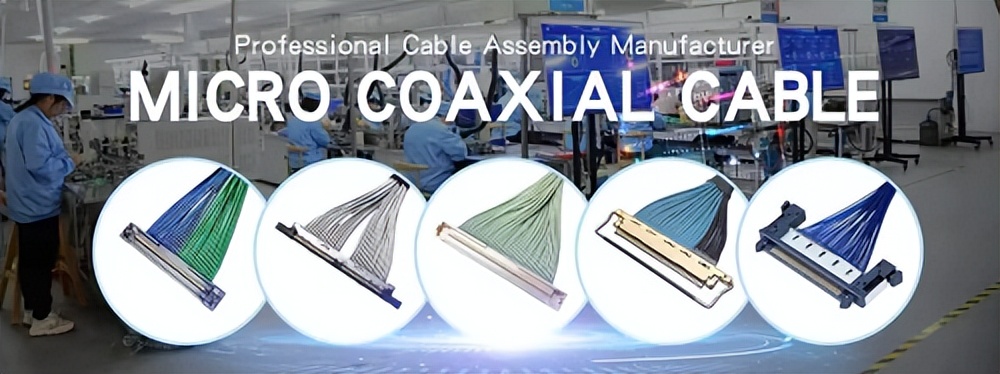
In order to enhance the flexibility of extremely fine coaxial cable bundles, it is necessary to comprehensively consider multiple aspects such as material selection, structural design, process control, and verification testing. Only by achieving a balance between flexibility and reliability can micro coaxial cable maximize its value in high-speed and high-precision applications.
We areSuzhou Huichengyuan Electronic, long-term focused on the design and customization of high-speed signal cables and ultra-fine coaxial cables, committed to providing customers with high-performance, high-reliability interconnection solutions. If you have any related needs or wish to learn more, please contact us:Manager Yin 18913280527 (WeChat same number)。
“Without the consent or authorization of this site, no one shall reproduce, reprint, distribute, cite, change, broadcast or publish the content in whole or in part in any form, nor shall there be any other violation of the copyright of this site.