Today, with the increasing popularity of intelligent devices, high-definition cameras have almost become a "standard configuration" from smartphones, drones to vehicle-mounted camera systems and industrial vision platforms. However, behind the clear images, there is no separation from the high-speed and stable data path. Among numerous interface standards, MIPI CSI-2 stands out for its high performance and low power consumption characteristics. The micro coaxial cable that goes with it is the "invisible hero" that ensures the stable transmission of image signals. Why do these two almost always appear together? What kind of engineering logic is hidden behind their combination?
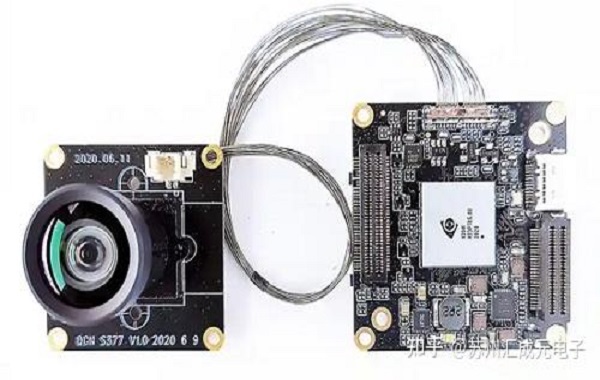
What is MIPI CSI-2?
MIPI CSI-2 (Camera Serial Interface 2) is a high-speed serial interface standard established by the MIPI Alliance, mainly used for connecting image sensors with the main processor, and is the most common image transmission solution in modern camera systems. It has the following features:
High-speed transmission: supports multi-channel parallel transmission, with each channel's speed reaching several Gbps, meeting the requirements of high resolution and frame rate.
Low-power design: specifically designed for mobile and embedded devices, with high transmission efficiency and low energy consumption.
High compatibility: supports various image formats (such as RAW10, RAW12, YUV422, etc.), convenient for cooperation between different sensors and platforms.
Multiple physical layer protocols: can be implemented based on D-PHY or C-PHY, flexibly adapting to different architectural requirements.
With the acceleration of high-definition and intelligent trends, CSI-2 has become the standard interface language for embedded image systems.
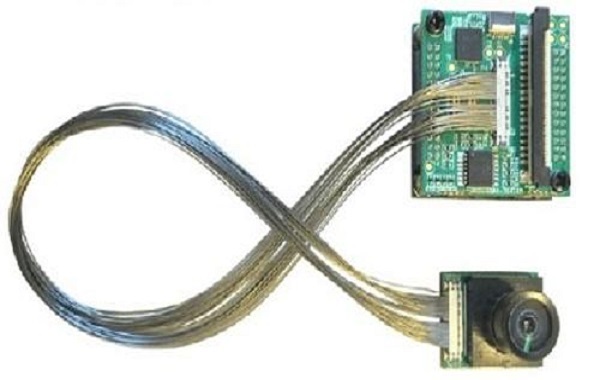
Why is CSI-2 often paired with micro coaxial cables?
Although the MIPI CSI-2 specification defines the communication protocol, the actual transmission quality of the signal largely depends on the "cable structure". Micro coaxial cables are the ideal choice for this field.
The optimal channel for high-speed signals
CSI-2 high-speed mode has very high requirements for cable impedance, shielding, and signal integrity. Micro coaxial cables have precise 50Ω impedance control, and the outer shielding structure effectively reduces crosstalk and EMI electromagnetic interference, ensuring stable and reliable transmission of the image signal.
Soft and light, adaptable to complex structures
The micro coax with a diameter of only 0.3mm-0.8mm is softer and more bend-resistant than traditional FPC, making it very suitable for wiring in spaces with limited space or dynamic mechanisms (such as tripods, folding structures).
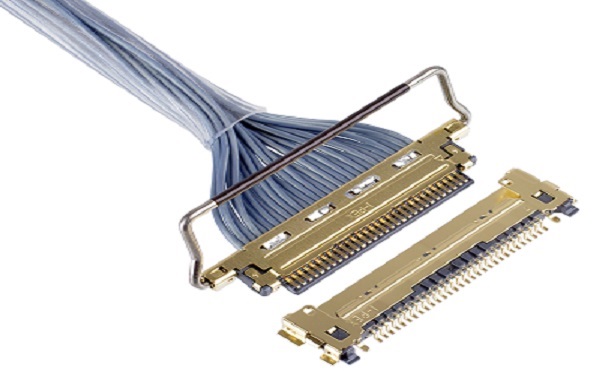
Connector system is improved
I-PEX, HRS and other brands provide high-density small connectors that match micro coax, making assembly more convenient and reliable. This type of combination is widely used for high-speed interconnections between CSI-2 camera modules, motherboards, and bridge boards.
Modularization trend is obvious
Nowadays, an increasing number of CSI-2 camera modules are factory-equipped with micro coaxial cables, allowing users to "plug and play" directly, greatly simplifying the system integration and maintenance process.
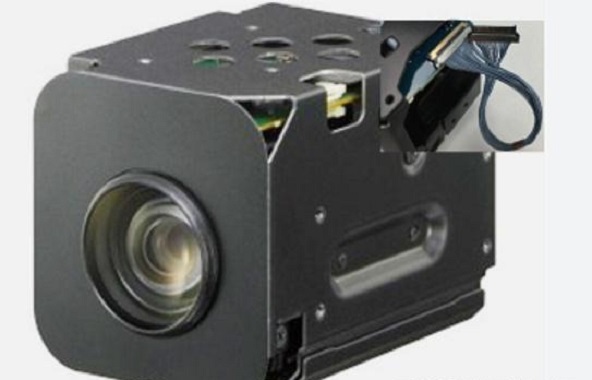
Typical application scenarios
Smartphone / Tablet Computer
The internal space of the body is extremely compact. The ultra-small diameter and flexibility of the micro coax allow the camera module to be flexibly routed and stably connected.
Drone gimbal camera
Need to pass through a multi-axis rotating structure, FPC is prone to fatigue fracture, while micro coax can withstand continuous bending.
Industrial vision detection system
In the presence of high-frequency interference environments, the shielding performance of micro coax can effectively enhance the signal's anti-interference ability.
Vehicle-mounted ADAS camera
Long-term stable operation and real-time accurate image transmission make micro coax the mainstream choice.
The combination of MIPI CSI-2 and micro coax is an engineering consensus in the field of high-speed image transmission. The former defines an efficient signal protocol, while the latter provides a reliable physical channel. Their collaboration not only meets the multiple requirements of modern devices for speed, stability, and lightweight, but also reflects the balance between structure and performance in system design. In the future, as intelligent visual systems continue to develop, this combination will still be the mainstream solution for high-definition image transmission.
I amSuzhou Huichengyuan Electronic TechnologyLong-term focus on the design and customization of high-speed cable harnesses and ultra-fine coaxial cables, committed to providing stable and reliable high-speed interconnect solutions. For more information, please contact:Manager Yin 18913280527 (WeChat same number)。