In modern electronic devices, the speed of signal transmission is closely related to system performance. Whether it is 4K/8K ultra-high-definition display, VR/AR virtual reality, autonomous driving image systems, or thin and light notebooks and medical detection equipment, the requirements for data transmission bandwidth and stability are increasingly high. Behind these applications, a cable with an outer diameter of only a few hundred micrometers—the ultra-fine coaxial cable—is quietly becoming the core channel for high-speed signal transmission. With its features of miniaturization, high-speed rate, and low crosstalk, it is gradually replacing traditional wiring and flexible cables in the high-end electronic field and becoming the ideal choice for achieving high-speed connections in compact spaces. But just how fast can such a "fine as hair" cable transmit? Where is its speed limit? Let us explore together.
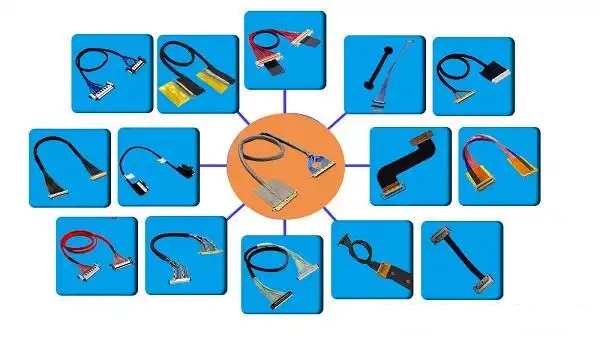
What is an extremely fine coaxial cable bundle?
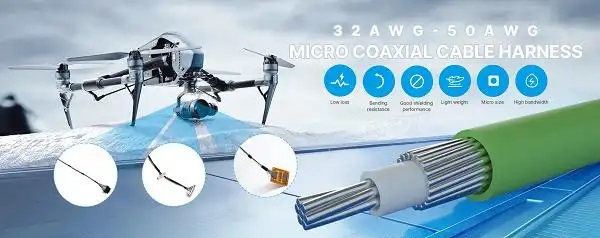
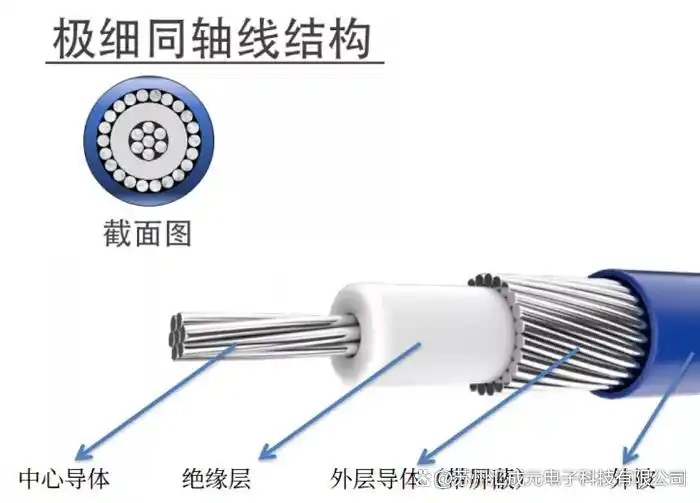
Micro coaxial cable is a type of cable that is structurally similar to standard coaxial cables but is more miniaturized in size. Its outer diameter usually ranges from 0.3mm to 1.0mm and is composed of a central conductor (core), insulating layer, shielding layer (copper braid or aluminum foil), and outer sheath. This compact and efficient structure can significantly reduce signal crosstalk and enhance signal integrity, allowing for stable and high-speed data transmission even in limited spaces. Today, it is widely used in high-definition camera modules, laptops, drones, medical equipment, and internal connections of high-end consumer electronics.
What is transmission rate?
In the field of electronics and communication, transmission rate (Data Rate / Transmission Speed) refers to the amount of data transmitted through a signal channel per unit time, usually expressed in bps (bits per second).
Common conversion relationships are as follows:
• 1 kbps = 1,000 bps
• 1 Mbps = 1,000 kbps
• 1 Gbps = 1,000 Mbps
For example, 1Gbps equals 1 billion bits of data transmitted per second. The higher the transmission rate, the more data it can carry within a unit of time, especially suitable for high bandwidth demand scenarios such as high-definition video transmission, VR/AR interaction, high frame rate games, and real-time image processing.
How fast can ultra-fine coaxial cables transmit?
Current mainstream rate
According to the mainstream specifications in the current market, the transmission rate of Micro Coaxial Cable generally reaches 3Gbps~6Gbps per channel, while high-end models can achieve 10Gbps~16Gbps per channel. For example, a 36AWG Micro Coaxial Cable (30cm in length) can reach a maximum single-channel speed of 12Gbps; if used in a 4 Lane MIPI CSI-2 camera module structure, the comprehensive multi-channel speed can exceed 40Gbps.
Theoretical limit speed
From the analysis of signal integrity and structural characteristics, the theoretical transmission limit of Micro Coaxial Cable is mainly influenced by the following factors:
• Wire Size (AWG Value)
Screening layer design and quality
Medium material and thickness
Cable length
Connector and Termination Loss
Under high-quality materials, short distances (<50cm), and excellent EMI control conditions, the single-channel data rate is expected to exceed 20Gbps. Currently, some laboratories and custom-level high-end products have already achieved short-distance high-speed transmission performance of 28Gbps per channel.

Why can ultra-fine coaxial cables achieve high transmission rates?
Micro Coaxial Cable can achieve high-speed transmission in extremely small spaces, mainly due to the following technical advantages:
Coaxial structure design: With good impedance control (commonly 50Ω or 75Ω), it can effectively suppress crosstalk and improve signal integrity.
Excellent electromagnetic shielding performance: Multi-layer woven or foil shielding structure ensures extremely low EMI radiation and interference.
Supports various high-speed protocols: compatible with MIPI D-PHY / C-PHY, eDP 1.4/1.5, HDMI 2.1, USB4 / Thunderbolt, DisplayPort 2.0 and other high-speed interface standards.
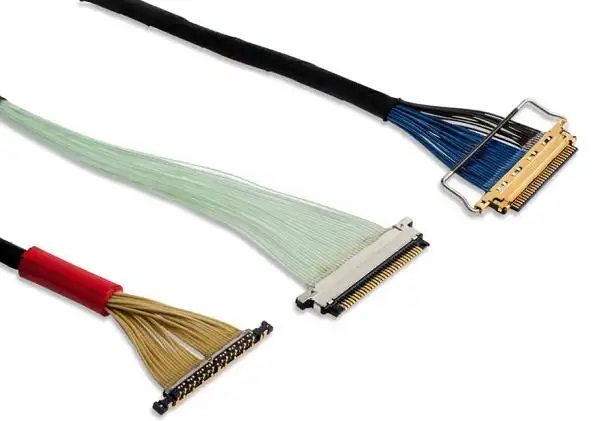
With its outstanding electrical performance, stable impedance characteristics, and excellent EMI control capability, the extremely fine coaxial cable bundle has become one of the key solutions for high-speed signal transmission. Currently, its mainstream transmission speed range is 3Gbps to 16Gbps, with high-end models able to exceed 20Gbps and even higher. As the rise of high-bandwidth applications such as 4K/8K ultra-high-definition display, VR/AR, autonomous driving, and high-speed image transmission, the market demand and technological innovation of Micro Coaxial Cable will continue to accelerate.
We have been focusing on the design and customization of high-speed signal cables and ultra-fine coaxial cables for a long time, committed to providing stable and reliable high-speed interconnection solutions. If you have any related needs or would like to learn more, please contact: Yin Manager.
18913280527 (WeChat number).