


Categorization:Harness Component
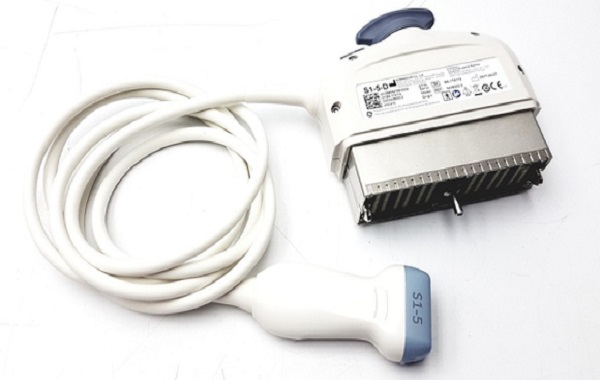
The importance of ultra-fine coaxial cable bundles in medical equipment
Medical device development requires a balance between signal integrity, device miniaturization, and long-term stability. Ultra-thin coaxial cables can achieve high-speed, low-loss signal transmission within limited spaces, while also having excellent anti-interference capabilities and good bending performance. This makes them particularly suitable for medical applications that require high-density wiring and complex mechanical operations. Early attention to cable performance can effectively avoid issues such as signal delay, image instability, or rapid cable wear in the later stages of development, ensuring the reliability of the device from design to clinical use.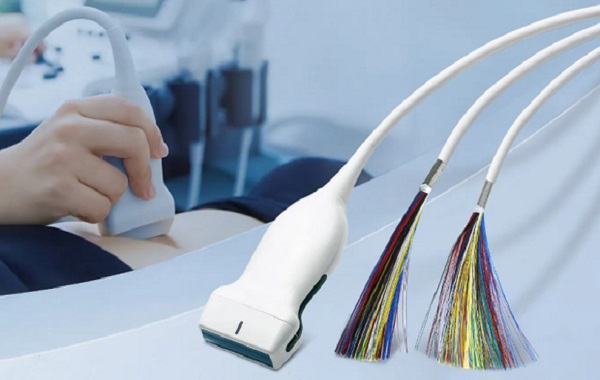
Key Points for Evaluating the Performance of Ultra-Fine Coaxial Beam
The evaluation of harness performance should cover multiple dimensions such as electrical, mechanical, environmental, and electromagnetic compatibility (EMC). In terms of electrical performance, attention should be paid to impedance control, insertion loss, and return loss to ensure the complete transmission of high-speed signals. In terms of mechanical performance, bending radius, flexibility, and durability directly affect the operational flexibility of miniaturized medical equipment. In terms of environmental adaptability, the harness must be resistant to high temperatures, chemical corrosion, and have good biocompatibility to cope with sterilization and special usage scenarios. In terms of EMC performance, an excellent shielding structure can reduce the impact of electromagnetic interference on weak signals, ensuring stable image and data transmission.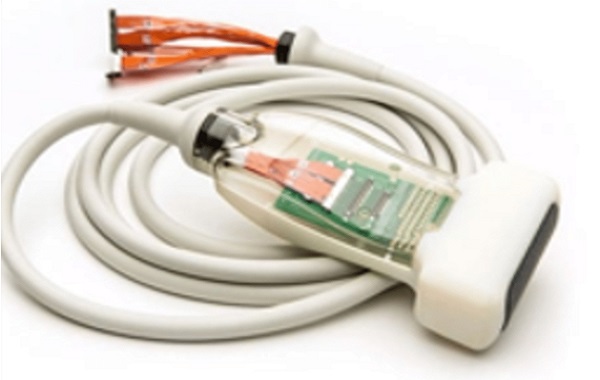
Three, testing and optimization methods in the research and development stage
In the research and development phase, the combination of simulation and actual measurement methods can be used for comprehensive verification of ultra-fine coaxial cable bundles. By using a vector network analyzer to evaluate high-frequency characteristics, performing dynamic bending life tests, and conducting multiple bending and disinfection experiments in a simulated surgical environment, it can approach the real usage conditions more closely. This multi-dimensional verification can not only discover potential problems in advance but also optimize the cable design and routing scheme, thereby enhancing equipment stability, extending service life, and reducing maintenance costs.
“Without the consent or authorization of this site, no one shall reproduce, reprint, distribute, cite, change, broadcast or publish the content in whole or in part in any form, nor shall there be any other violation of the copyright of this site.