


Categorization:Harness Component
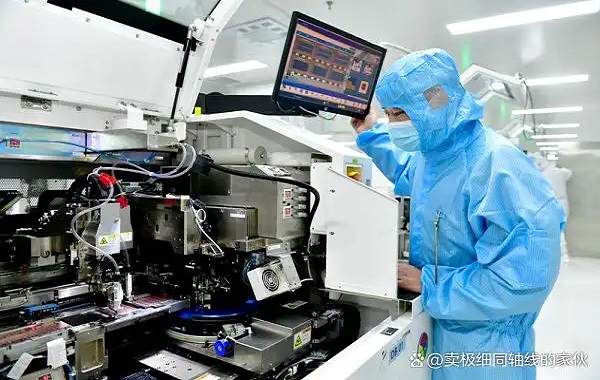
High-frequency signal transmission difficulties
Chip manufacturing equipment's detection signals are usually at the GHz level. Under this high frequency, ordinary cables are prone to attenuation and crosstalk, leading to deviation of test data. At the same time, the internal space of the equipment is small and the wiring is complex. The cables not only need to have stable performance but also must have high flexibility and small size characteristics to adapt to the compact internal layout. This puts higher requirements on signal transmission and wiring solutions.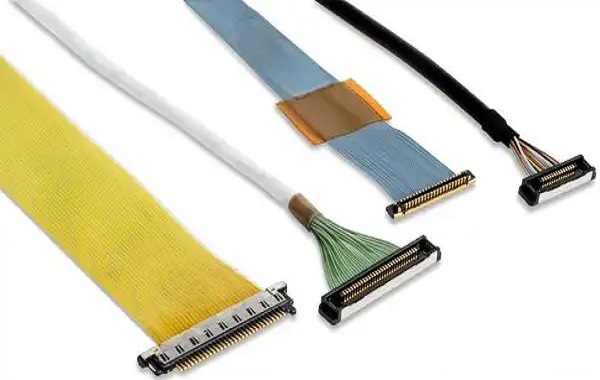
The unique advantages of extremely fine coaxial cables
The ultra-thin coaxial cable demonstrates many advantages in high-frequency signal transmission. Its low-loss characteristic ensures accurate and reliable test results, the shielding layer effectively isolates external electromagnetic interference, ensuring clear and stable signals; the extremely small wire diameter is suitable for wiring in compact devices while maintaining certain mechanical strength; the finer cable束 supports high-density detection channels, meeting the needs of large-scale chip parallel testing. These features make it the preferred solution for high-frequency detection signals in chip manufacturing equipment.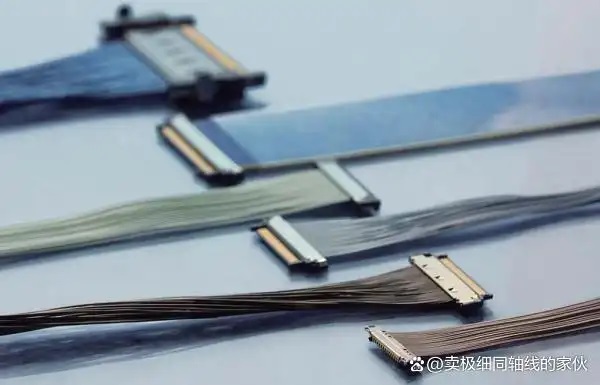
Three, application scenarios
In practical applications, ultra-fine coaxial cables are widely used in high-speed data collection ports of chip manufacturing equipment, automated testing interfaces, and RF detection modules. They not only improve test accuracy but also provide a reliable guarantee for future higher-level chip processes. With low loss, strong shielding, flexible wiring, and high-density support, ultra-fine coaxial cables play an irreplaceable role in high-speed detection and high-frequency collection scenarios.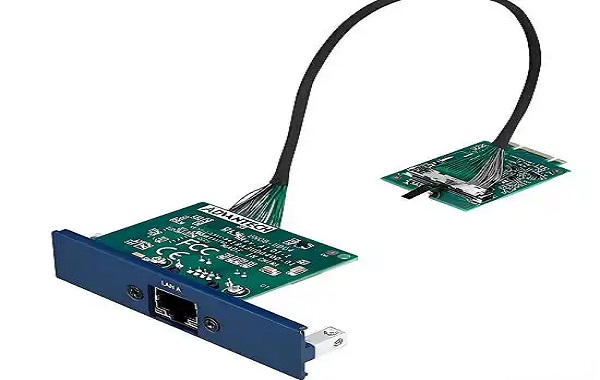
“Without the consent or authorization of this site, no one shall reproduce, reprint, distribute, cite, change, broadcast or publish the content in whole or in part in any form, nor shall there be any other violation of the copyright of this site.