


Categorization:Harness Component
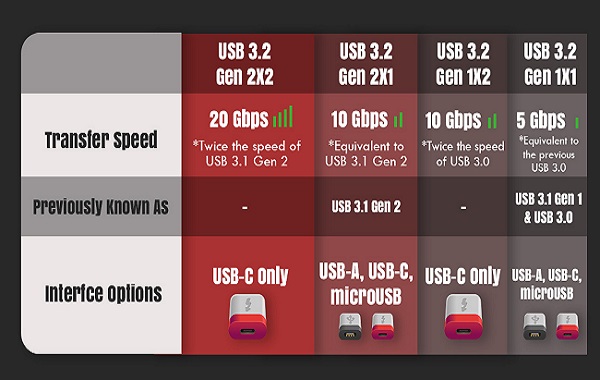
The difficulties of high-speed transmission in USB 3.2
The theoretical speed of USB 3.2 can reach 5, 10, or 20 Gbps, but high-speed signals require extremely high physical structure requirements. If the impedance of the wire is unstable, the shielding is incomplete, or the attenuation is too great, there will be speed reduction, interruption of the current, or even failure to establish a high-speed link. Many wires labeled USB 3.2, due to their rough internal structure, can only achieve lower bandwidth in practice, which is also the reason for most users' confusion.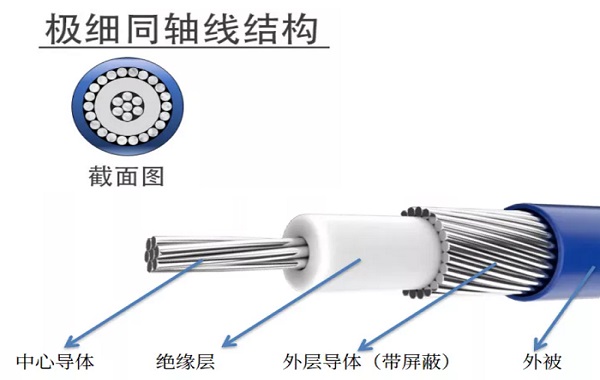
The technical advantages of ultra-fine coaxial cable束
Each signal line in the extremely fine coaxial cable bundle is equipped with an independent shielding structure, internally consisting of a conductor, insulating layer, shielding layer, and sheath. This design maintains high stability of impedance, reduces reflection and error codes; at the same time, it has stronger anti-interference capabilities, ensuring that high-speed signals of 5-20 Gbps remain intact. In addition, it is soft, thin, and very suitable for high-performance USB, Thunderbolt, and high-speed internal wiring. To truly achieve high bandwidth, this type of structure is an indispensable foundation.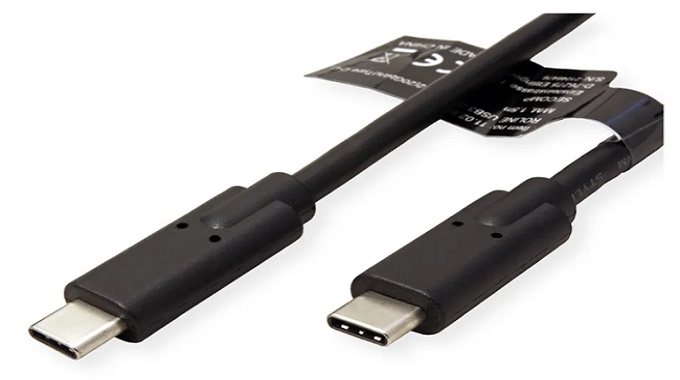
Three, key factors affecting the actual speed of USB 3.2
Many USB 3.2 cables cannot reach full speed because they do not use high-specification cables internally. If ordinary twisted cables or insufficient shielding are still used, high-speed signals will quickly attenuate. Excessive cable length can also lead to insufficient bandwidth, and even at a certain distance, it may not be able to enter the high-speed mode. Some Type-C cables are also missing electronic identification chips, which prevent devices from enabling higher transmission channels. In addition, poor manufacturing processes may also cause a large number of error codes, resulting in a significant decrease in speed.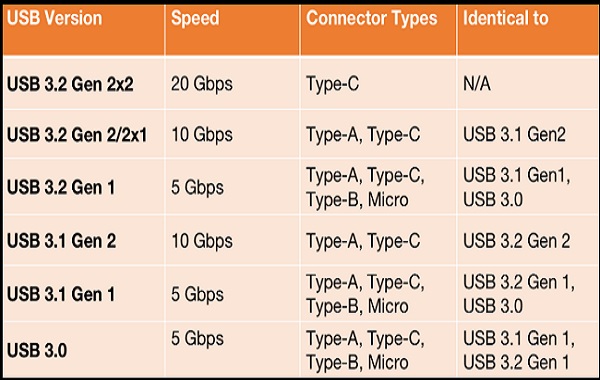
“Without the consent or authorization of this site, no one shall reproduce, reprint, distribute, cite, change, broadcast or publish the content in whole or in part in any form, nor shall there be any other violation of the copyright of this site.