


Categorization:Harness Component
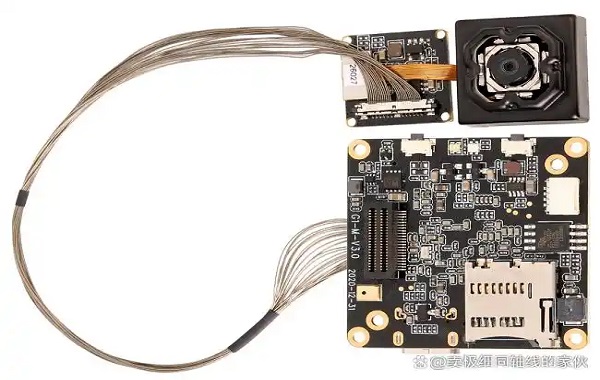
I-PEX 20497-032T-30's structural characteristics
20497-032T-30 belongs to the CABLINE-UA II series, designed for 32-bit high-speed ultra-thin coaxial cable束, with a spacing of only 0.30mm and an overall height of approximately 1.37mm, meeting the strict space requirements of thin and light devices. The contact material uses nickel-plated phosphor bronze and is overlaid with a gold layer of not less than 0.1μm, ensuring stable contact quality in high-speed oscillating environments. The series meets RoHS, REACH, Halogen-Free requirements, and is compatible with high-speed interfaces such as USB 3.1 Gen1, V-By-One HS, eDP, MIPI, etc., and has good retention capabilities for high-frequency signals.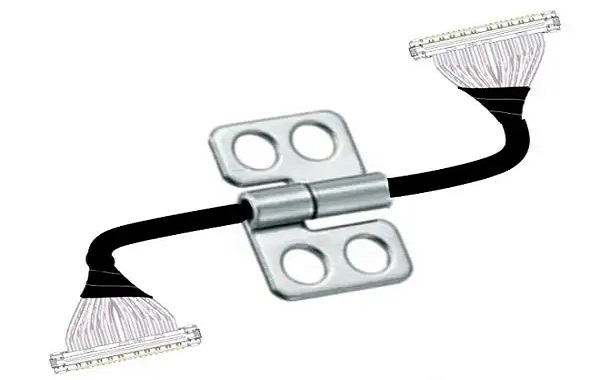
Signal attenuation in extremely thin coaxial cables
Signal attenuation is the process in which high-frequency signals gradually weaken in coaxial structures with distance. The inherent resistance of extremely thin conductors is high, and the skin effect is more pronounced at GHz-level frequencies, which intensifies energy loss. The attenuation level is affected by cable length, frequency, dielectric material, bending radius, and operating temperature, directly reducing signal amplitude,缩小眼图开口, and increasing the error rate. In high-speed transmission systems, the attenuation curve is a basic indicator for evaluating link reliability.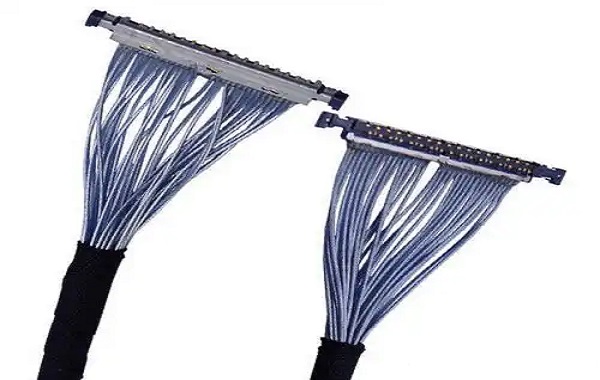
Three, insertion loss comes from energy loss in the structural transition area.
Insertion loss refers to the energy attenuation of a signal when passing through a transition structure. Its main sources include impedance variations, differences between metal layers and dielectric materials, as well as minor defects at the contact interface. If the characteristic impedance of the transition area deviates from the beam characteristics, the signal will produce reflections; if the metal coating, dielectric material, or geometric structure is uneven, it will also lead to increased high-frequency loss. The CABLINE-UA II series optimizes the design of the structural transition area and strictly controls tolerances, maintaining insertion loss at a low level, thereby enhancing overall bandwidth utilization and signal integrity.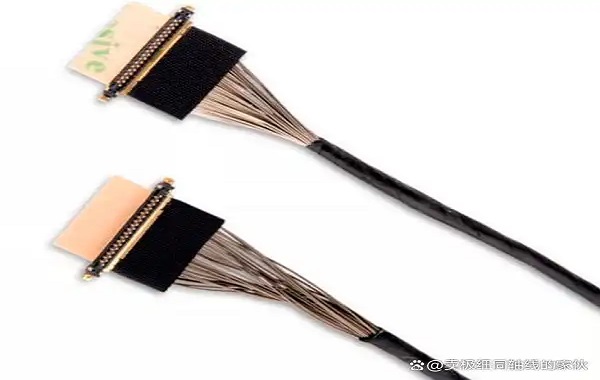
“Without the consent or authorization of this site, no one shall reproduce, reprint, distribute, cite, change, broadcast or publish the content in whole or in part in any form, nor shall there be any other violation of the copyright of this site.