

Categorization:Harness Component
As high-speed data transmission devices continue to develop towards miniaturization and precision, micro coaxial cable has become an important interconnection solution in consumer electronics, automotive systems, and industrial control fields. As an important part of micro high-speed connections, the performance, structural design, and selection of connectors directly determine the stability and interconnection quality of the system. The I-PEX 20346-030T-32R model is highly关注的 among many engineers, but if details are ignored during selection, it is easy to cause performance redundancy, scheme waste, and even failure.
This article will analyze its characteristics and key selection dimensions to help engineers achieve a design that is "just right" in terms of performance.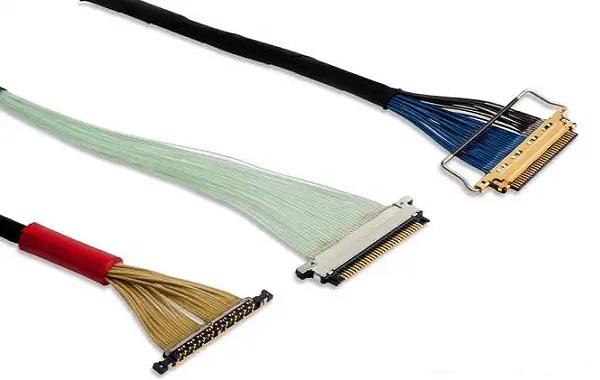
I-PEX 20346-030T-32R: The "Little Giant" in High-Speed Applications
I-PEX 20346-030T-32R belongs to the CABLINE-V series, which is a 0.4 mm pitch, 30Pin miniature coaxial connector, mainly designed for high-speed differential signal transmission. It supports high-speed interfaces such as USB 3.1, DisplayPort, eDP, PCIe, and has features of high density and low loss. The metal shell structure combined with mechanical clips can effectively improve contact stability and EMI shielding capability, suitable for applications that require anti-interference, compact structure, and strict signal integrity. In addition, this connector meets environmental protection requirements such as RoHS, REACH, PFAS-Free, ensuring stable operation in high temperature, humid, and high-frequency environments.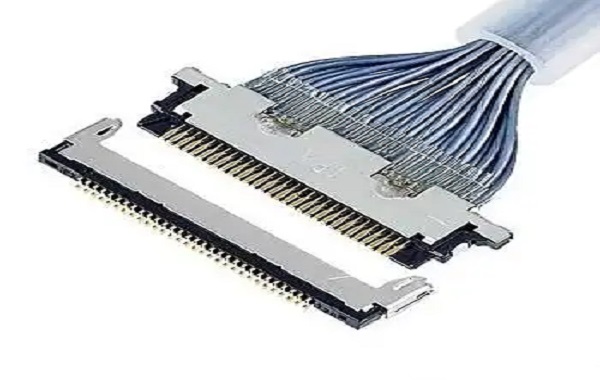
Four Key Dimensions of Four Major Selections: How to Avoid Performance Waste
1. Define signal type and rate:
Three, practical suggestions: selection is not about "expensive", but about "suitability"
Engineers often mistakenly believe that "high performance equals greater reliability" when choosing high-speed connectors. In fact, high-speed connectors should achieve "just right performance." The selection should prioritize signal rate, structural space, grounding method, cable AWG, EMI requirements, etc., to avoid increasing costs, process difficulties, and design complexity by pursuing high specifications. Rational matching is the core of high-speed interconnect design.
“Without the consent or authorization of this site, no one shall reproduce, reprint, distribute, cite, change, broadcast or publish the content in whole or in part in any form, nor shall there be any other violation of the copyright of this site.