Omron Automation and Safety, as a globally renowned industrial automation brand, its sensor cables are widely used in production manufacturing, machinery equipment, and scenes where industrial control systems and automatic production lines are connected. Sensor cables not only undertake the tasks of signal collection and control instruction transmission, but also serve as an important guarantee for the system's anti-interference capability and overall stability. Focusing on the theme of "Omron Sensor Cables: Anti-Interference and Stability Analysis", this article will analyze the anti-interference performance and system stability value based on the brand cable structure characteristics, industrial application performance, and engineering practice experience, and provide application suggestions from the perspectives of selection, compatibility, and domestic substitution.

One, the anti-interference and stability analysis of sensor cables
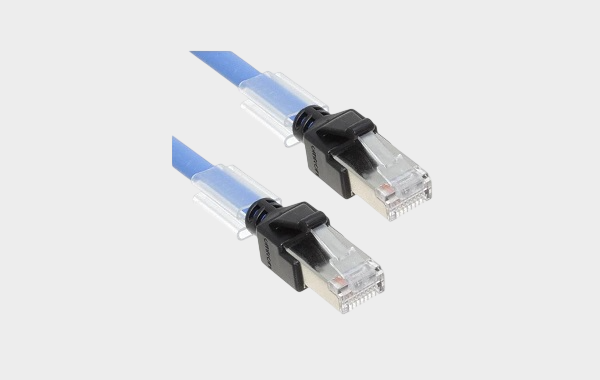
Omron sensor cables have strong anti-electromagnetic interference capability in industrial environments. Their products are generally designed with a shielding layer structure, which can effectively reduce electromagnetic and radio frequency interference generated by inverters, motors, power loops, etc., and minimize the risk of signal distortion and false triggering. In mechanical motion and chain applications, some models adopt wear-resistant and bend-resistant sheath materials, which can maintain high mechanical stability in environments with oil contamination, vibration, and temperature fluctuations. At the same time, the internal conductor arrangement and insulation structure of the cables help to enhance signal integrity, maintain transmission consistency, and ensure system data reliability. These designs collectively form the core foundation for the stable operation of Omron sensor cables in industrial field applications.
Second, selection and compatibility, as well as reference and suggestions for domestic substitution solutions
During the selection process of sensor cable, attention should be paid to factors such as interface standards (such as M8, M12), core number, cable diameter, installation environment, and signal type. For production lines with dense interference sources and long wiring distances, it is recommended to prioritize industrial-grade models with shielding layers; for frequently moving or reciprocating bending conditions, flexible and wear-resistant sheath materials should be chosen. If there is pressure on the project delivery cycle, cost control, or supply chain stability, it is possible to evaluate domestic compatible and alternative cable solutions under the premise of meeting industrial standard interfaces and electrical performance. Conduct comparative tests through key indicators such as conductor specifications, shielding structure, and insulation materials to ensure that the anti-interference performance and system stability are close to the original factory performance. For equipment改造, maintenance replacement, and bulk procurement projects, it is recommended to carry out sample verification and on-site compatibility tests to ensure long-term operation reliability.
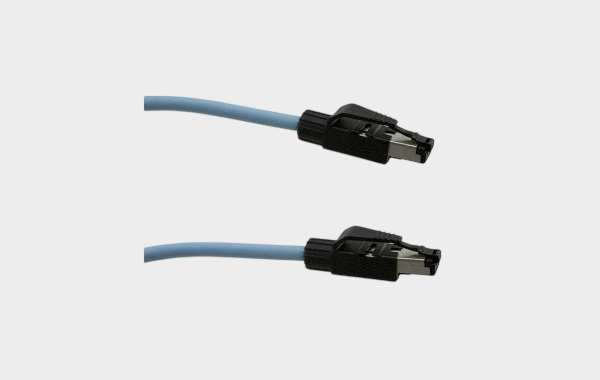
Omron sensor cables have excellent performance in terms of anti-interference design, mechanical stability, and industrial adaptability, and are an important part of ensuring reliable signal transmission in automation systems. Rational cable selection, compatibility assessment, and planning for domestic alternatives not only help improve system stability but also contribute to optimizing the overall cost structure and supply chain safety.
We are continuously focusing on the domestic substitution research and development of this brand's connector and cable solutions. If you are interested in related products of this brand's domestic substitution solutions, have procurement needs, or are following this direction, please contact: Manager Zhang.
18665383950, WeChat number). We hope to have in-depth communication and cooperation with more customers and industry partners.