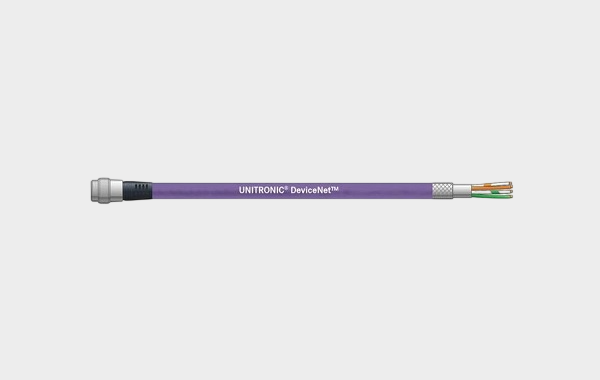
LAPP (CablePlus), as a well-known German industrial cable and harness system brand, has long served industries such as automation equipment, mechanical manufacturing, robotics, machine tool control, electrical installation, and industrial communication. Its product lines, including ÖLFLEX, UNITRONIC, ETHERLINE, etc., cover power cables, signal control cables, industrial Ethernet cables, flexible cables for conveying systems, and various cable accessories. LAPP cables emphasize reliability, durability, and industrial-grade safety standards, ensuring stable operation of equipment in complex working conditions and are one of the core connection components in many engineering projects. LAPP has consistently adhered to material engineering and structural technology as the basis for research and development, and through multi-country standard certification and industrial field inspections, it has formed a widely recognized quality reputation. Around cable material selection, sheath process, flexible structural design, and electromagnetic compatibility control, its products have strong technical advantages and are suitable for long-term continuous operation and high-load working conditions.
Material Process and Structure Performance Analysis
In terms of material systems, LAPP cables commonly use high-purity multi-strand fine copper wire cores to enhance conductivity and flexibility; the insulation and sheath materials are configured according to application scenarios with PVC, PUR, TPE, or halogen-free low-smoke formulations to meet industrial requirements such as oil resistance, wear resistance, bend resistance, chemical corrosion resistance, and extreme temperature resistance. Some series have flame-retardant, low-smoke, and halogen-free characteristics and can be used in control cabinets, tracks, and public facility environments with higher safety and environmental protection requirements. In terms of structural design, the cable used in drag chain applications usually adopts reinforced rib structure and fine wiring braiding methods to reduce copper wire fatigue and sheath cracks caused by long-term dynamic bending; shielded signal cables and industrial communication cables use woven shielding or aluminum foil shielding structures to reduce electromagnetic interference in industrial environments, improve signal integrity, and enhance transmission stability. Additionally, the叠加 of international certifications such as UL, VDE, and HAR makes them highly versatile and reliable for cross-regional projects and exported equipment.
Two, selection and compatibility as well as alternative solutions reference and recommendations
In the project selection stage, it is recommended to comprehensively evaluate from the following dimensions: Firstly, working condition and mechanical load, such as the presence of chain movement, oil stains, dust, low or high temperature environment; secondly, electrical parameters and functional categories, including voltage level, conductor cross-sectional area, signal type and transmission speed; thirdly, certification requirements, such as the need to meet ship classification, UL export certification, or industry standard constraints.
In terms of compatibility and alternative options, common experience suggests the following:
For general industrial control and internal wiring, it is advisable to evaluate high-quality domestic industrial control cables as a cost-effective alternative solution, as long as the flexibility and insulation levels are met. For chain-link types and long-term dynamic bending conditions, it is recommended to focus on the bending life test and sheath formula consistency of domestic products, and perform sample verification before mass replacement. For industrial communication and high-speed data cables, such as industrial Ethernet, bus cables, etc., domestic products have already possessed technical matching capabilities in some mid-range applications, but in high anti-interference, high reliability, and extreme environments, it is still recommended to give priority to original brand products or adopt a hierarchical substitution strategy.
The evaluation of alternative solutions should be based on a comprehensive judgment of life cycle costs, maintenance risks, spare parts availability, and quality requirements of engineering projects, rather than solely on the initial purchase price as the basis for evaluation.
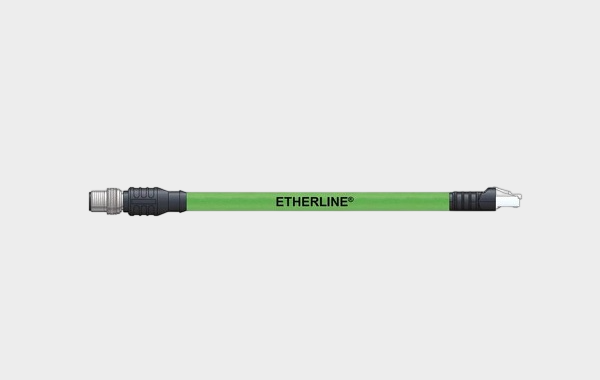
LAPP cables reflect the rigorous quality and engineering reliability of German industrial-grade wires in terms of material processing, structural design, and industrial adaptability. They will continue to play a key role in the fields of automated manufacturing and industrial equipment connection. For enterprises, a reasonable layout of original factory product application and domestic substitution solutions helps achieve a better balance between quality stability and cost control.
We continuously focus on the domestic substitution research and development of the brand connector and cable product application solutions. If you are interested in LAPP brand domestic substitution solutions or have procurement needs, or are paying attention to the application direction of relevant engineering projects, please contact: Manager Zhang.
18665383950, WeChat number same). We look forward to in-depth communication and cooperation with more customers and industry partners, jointly promoting the implementation and application of high-quality industrial connection solutions.