

Categorization:Harness Component
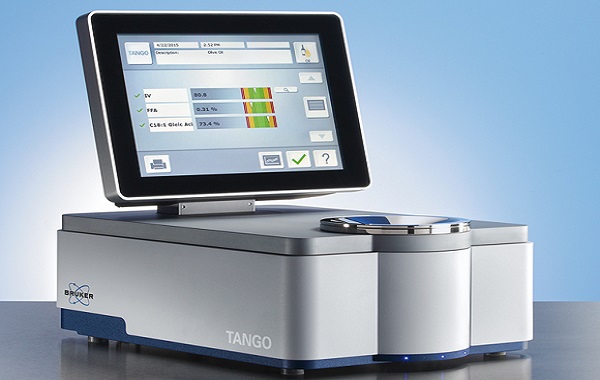
One, the key factors affecting the signal transmission of spectrometers
The internal space of the spectrometer is compact, and high-speed differential signals have extremely high requirements for line quality. Traditional wiring or ordinary cables are prone to insufficient shielding and impedance control, leading to signal distortion or data loss. In addition, the contact quality of the connector interface and port matching also affect the transmission effect; unsuitable interfaces can cause signal reflection, reducing data integrity. The wiring design is also crucial; excessively long, bent, or complex lines are prone to crosstalk and loss, directly affecting the testing accuracy of the spectrometer.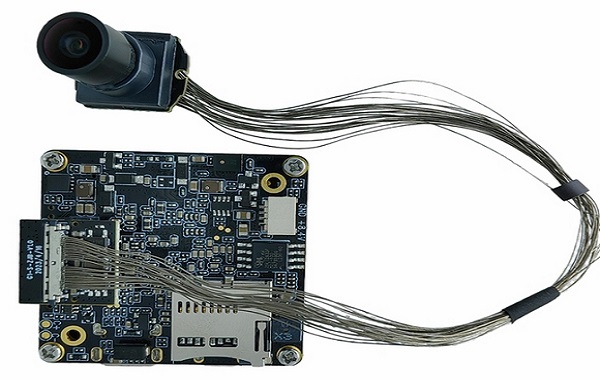
The technical advantages and commercial value of ultra-fine coaxial cable束
Micro Coaxial Cable features multi-layer shielding structure and precise impedance control, maintaining extremely high stability in high-speed signal transmission. Its flexibility and lightweight characteristics allow it to adapt to the limited space layout inside spectrometers while reducing the overall weight of the equipment. Accompanied by high-precision miniature connectors, the extremely fine coaxial cable bundles can achieve low-loss and reliable stable high-speed data transmission. In commercial applications, this means that equipment can provide higher measurement accuracy, fewer failure rates, and improve customer experience and market competitiveness.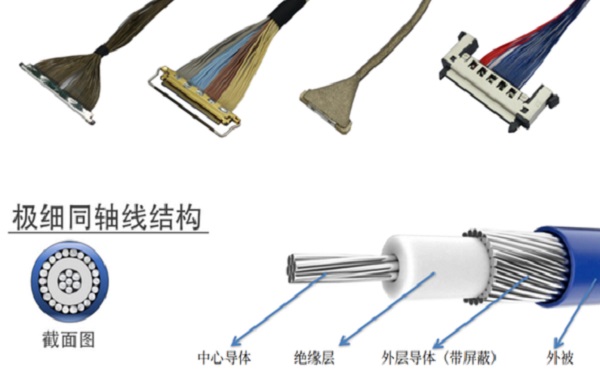
III. Optimization Plan and Practical Application Value
In actual spectrometer design, the rational application of extremely fine coaxial beam can significantly improve the quality of signal transmission. By selecting coaxial beams with strictly controlled impedance, enhancing shielding design in key channels, optimizing routing, and regularly detecting the reliability of the beam and interfaces, the risk of signal interference and data loss can be minimized to the greatest extent. For customers, this not only enhances the stability and measurement accuracy of the equipment but also reduces after-sales maintenance costs and usage risks, empowering high-end optical testing equipment and creating greater commercial value.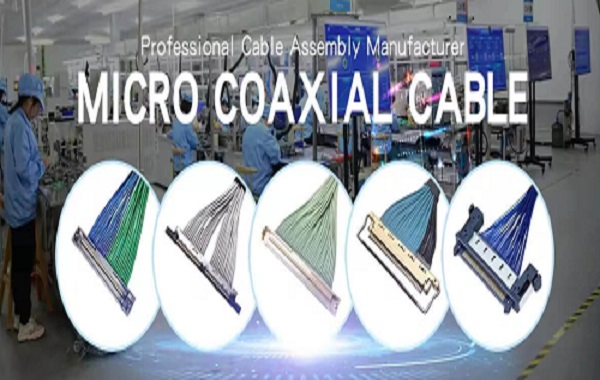
“Without the consent or authorization of this site, no one shall reproduce, reprint, distribute, cite, change, broadcast or publish the content in whole or in part in any form, nor shall there be any other violation of the copyright of this site.