


Categorization:Harness Component
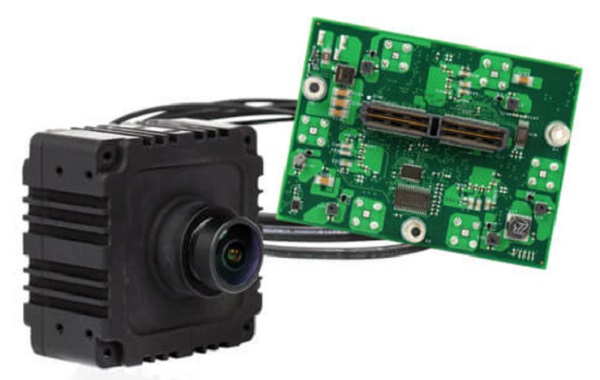
The value of extremely thin coaxial cable束 in modules
During the wiring process of the AR0234 module, the extremely thin coaxial cables can support high bandwidth data transmission, ensuring that the image signal has no significant delay, and at the same time, it has excellent anti-interference ability, reducing the impact of electromagnetic interference on the image signal. Its flexibility and small size characteristics enable it to achieve flexible wiring within a compact module space, meeting the needs of multi-channel and high-density wiring. Engineers often adopt a layered management approach to arrange the cables to ensure signal integrity, while also considering heat dissipation and space utilization efficiency, thus maintaining stable performance in a high-speed transmission environment.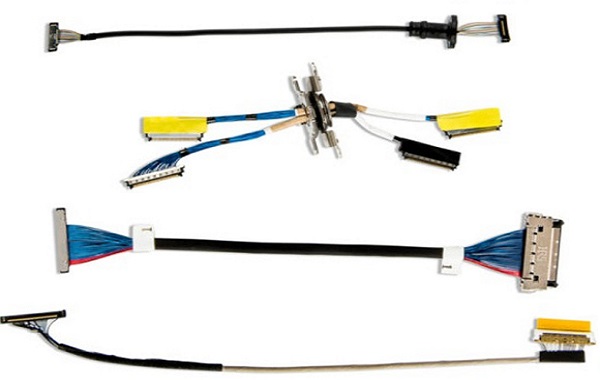
Two, practical wiring points
In practical applications, maintaining consistent harness length is an important measure to ensure multi-channel synchronization, which can avoid image distortion caused by timing differences. The processing accuracy of miniature coaxial connectors is high, and the welding or crimping process must be stable and reliable; otherwise, it is easy to cause signal anomalies. The treatment of additional shielding layers can further reduce interference and improve link stability. At the same time, the harness also needs to have mechanical reliability such as resistance to bending and vibration, in order to adapt to long-term use and complex working conditions in industrial environments.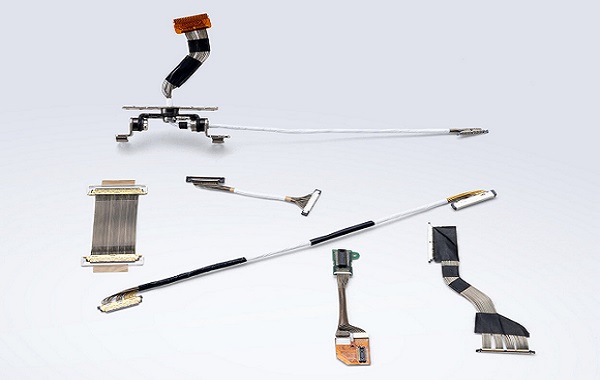
The Principle of Balance in Performance Optimization
To unleash the high-speed performance of the AR0234 module, the wiring design needs to achieve a balance between signal integrity, space utilization, and reliability. Rational planning of the circuit, selection of high-quality cables, and optimization of shielding and terminal processes can ensure the stability and anti-interference capability of high-speed data transmission, providing a reliable guarantee for industrial and intelligent applications. In multi-channel output and compact space conditions, this balance is particularly crucial, as it directly determines the performance of the sensor in complex environments.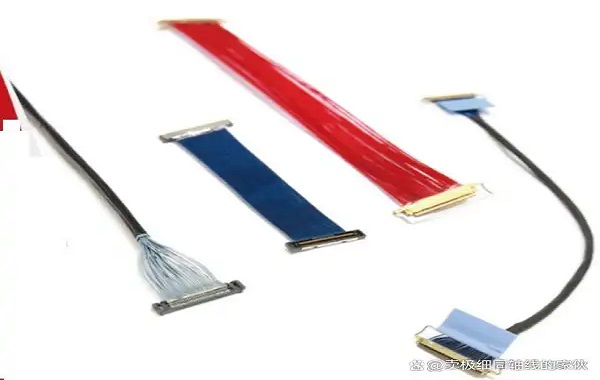
“Without the consent or authorization of this site, no one shall reproduce, reprint, distribute, cite, change, broadcast or publish the content in whole or in part in any form, nor shall there be any other violation of the copyright of this site.